Healthcare
Humans of the Pandemic
Portraits & thoughts from 67 staff at NHS George Eliot Hospital during the COVID-19 first wave
Year
2020
Client
NHS
Service
Healthcare
Location
George Eliot Hospital, Nuneaton
Humans of the Pandemic features portrait photographs of 67 staff members at NHS George Eliot Hospital, accompanied by their reflections on caring for patients during the rapidly evolving first wave of the COVID-19 pandemic (May to August 2020).
As a photographer and a medical student, it’s been fascinating to meet so many individuals, hear their stories, and capture them in their unique work environments. This experience has been not only a powerful creative endeavour but also the best education in understanding how a hospital operates and the people I will work alongside in the future.
A curated selection of these portraits now hangs on the walls of George Eliot Hospital, serving as a reminder to patients and visitors of the unwavering dedication of the hospital staff who supported them through the most difficult times and continue to do so today.
This project highlights a broad range of roles, including doctors, nurses, domestic staff, maternity care, pathology, pharmacy, physiotherapy, surgery, and mortuary services, among others. It encompasses over 120 portraits.
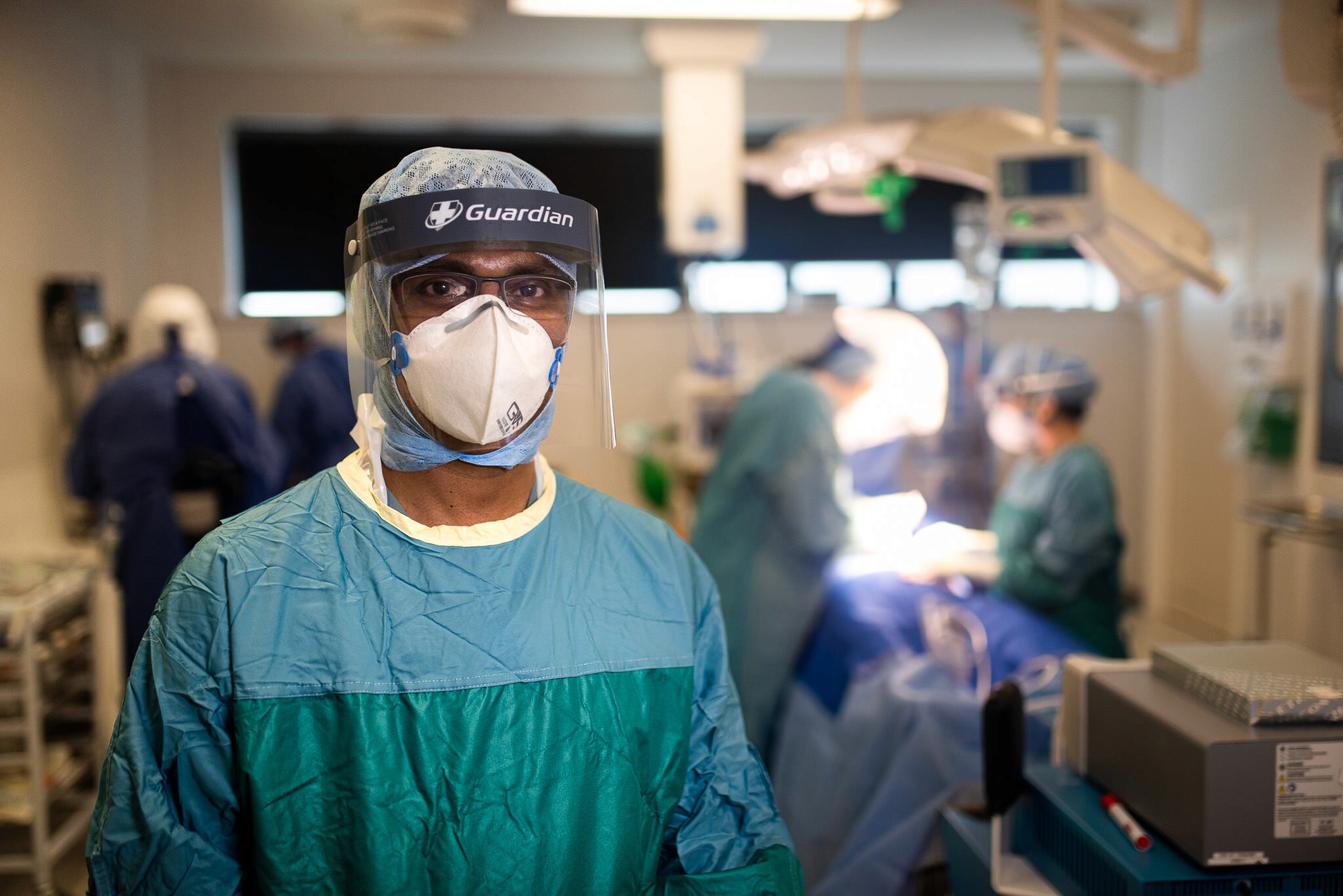
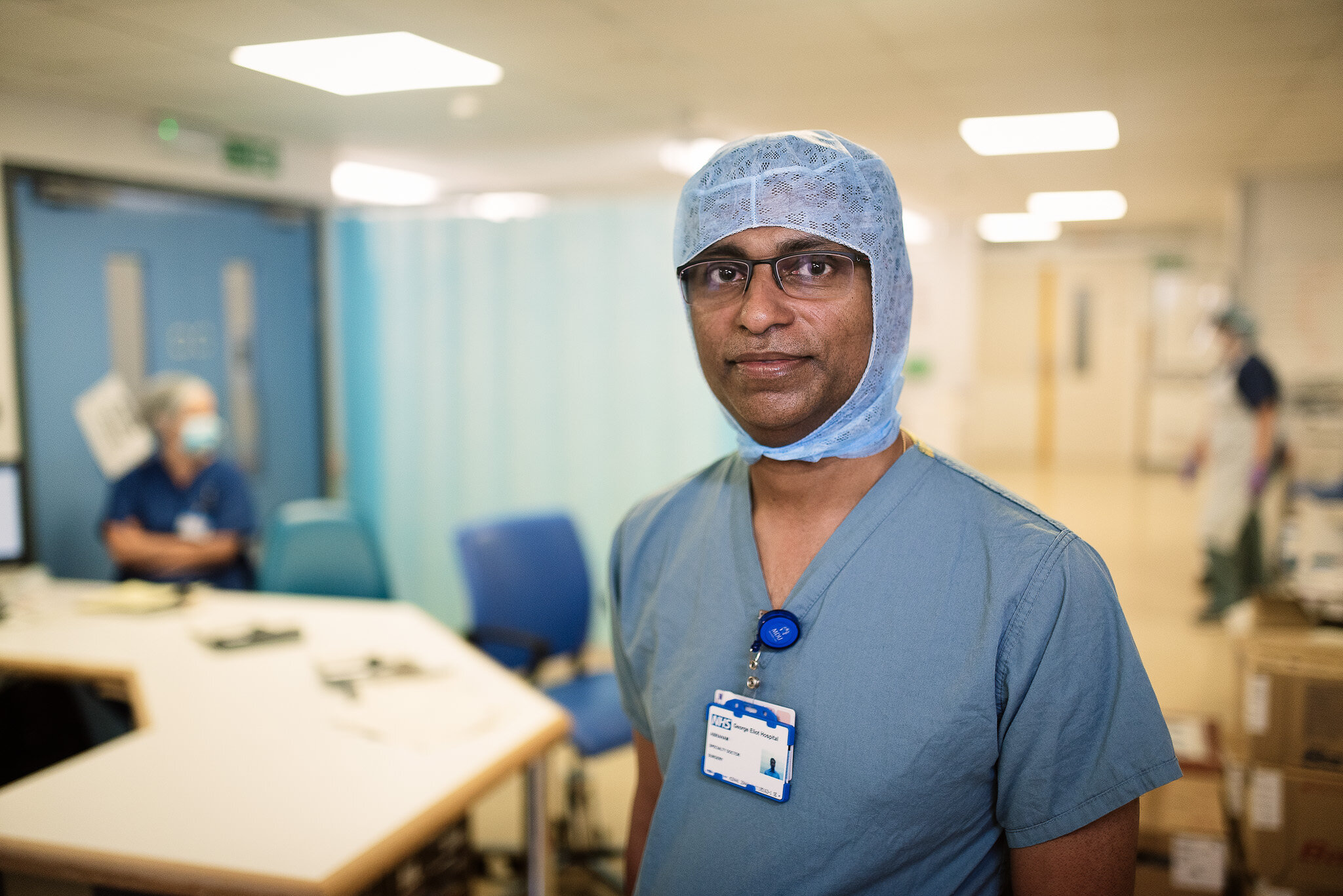
Abraham - Surgeon
Surgeon Abraham was worried during the pandemic as he adapted to telephone consultations. He hopes for “better preparedness in future pandemics.”
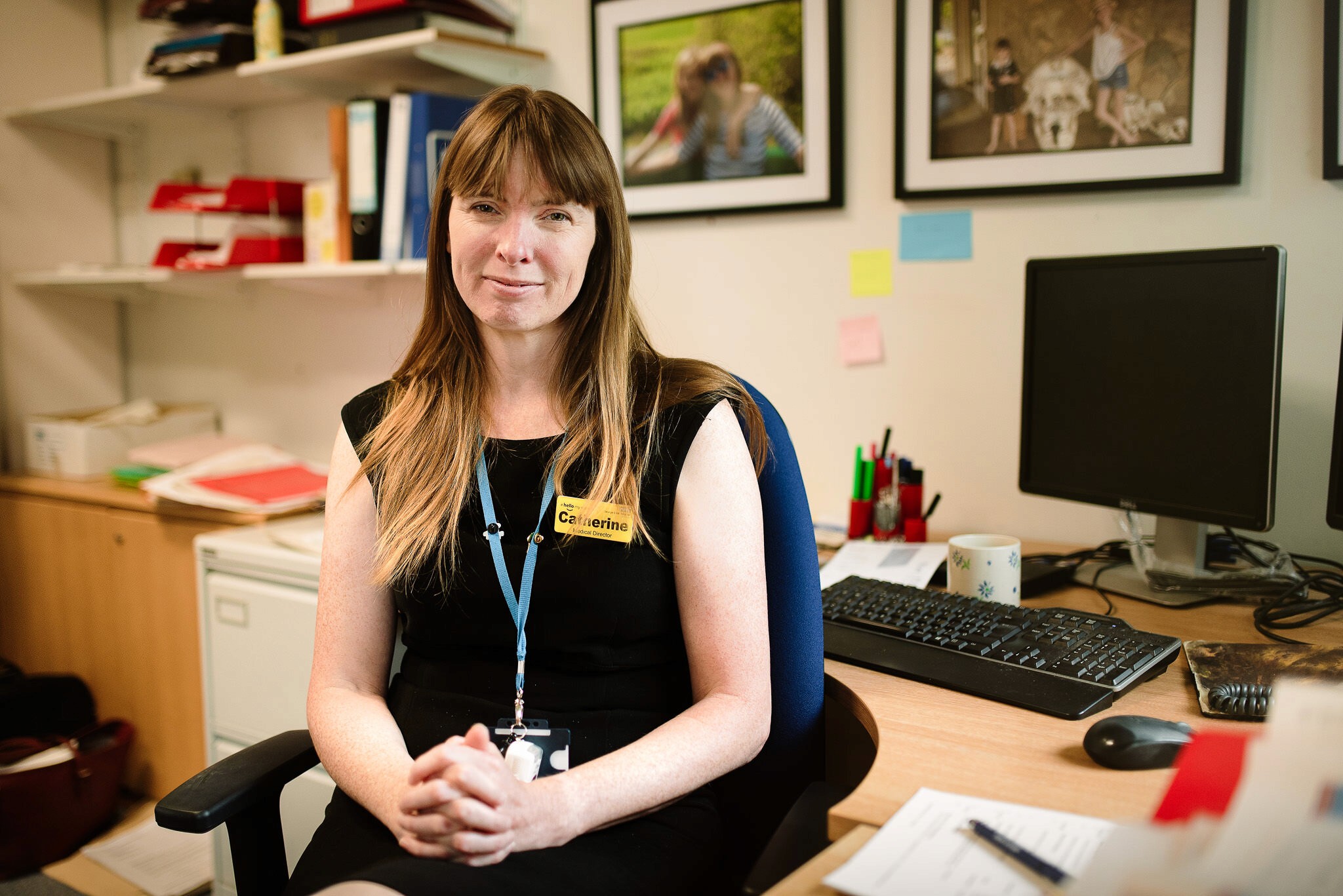
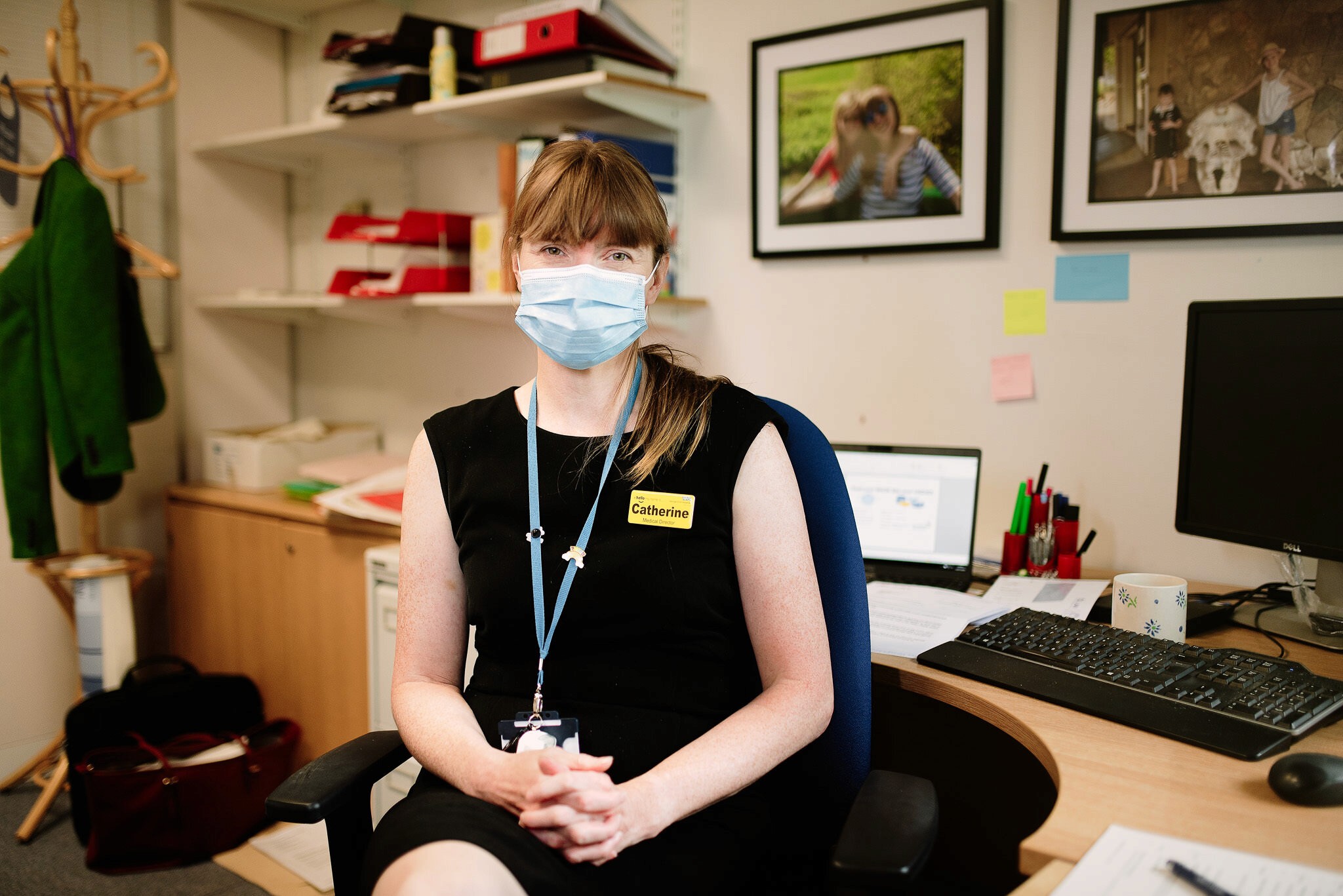
Catherine - Medical Director
“We welcomed Matt into the hospital and are really grateful for his professional support during the Covid pandemic. His and his colleagues’ efforts helped us get through a very challenging time. His portraits capture the unity, hard work and dedication of all our staff and act as a tribute to their efforts. I’m proud to work with all of them.”
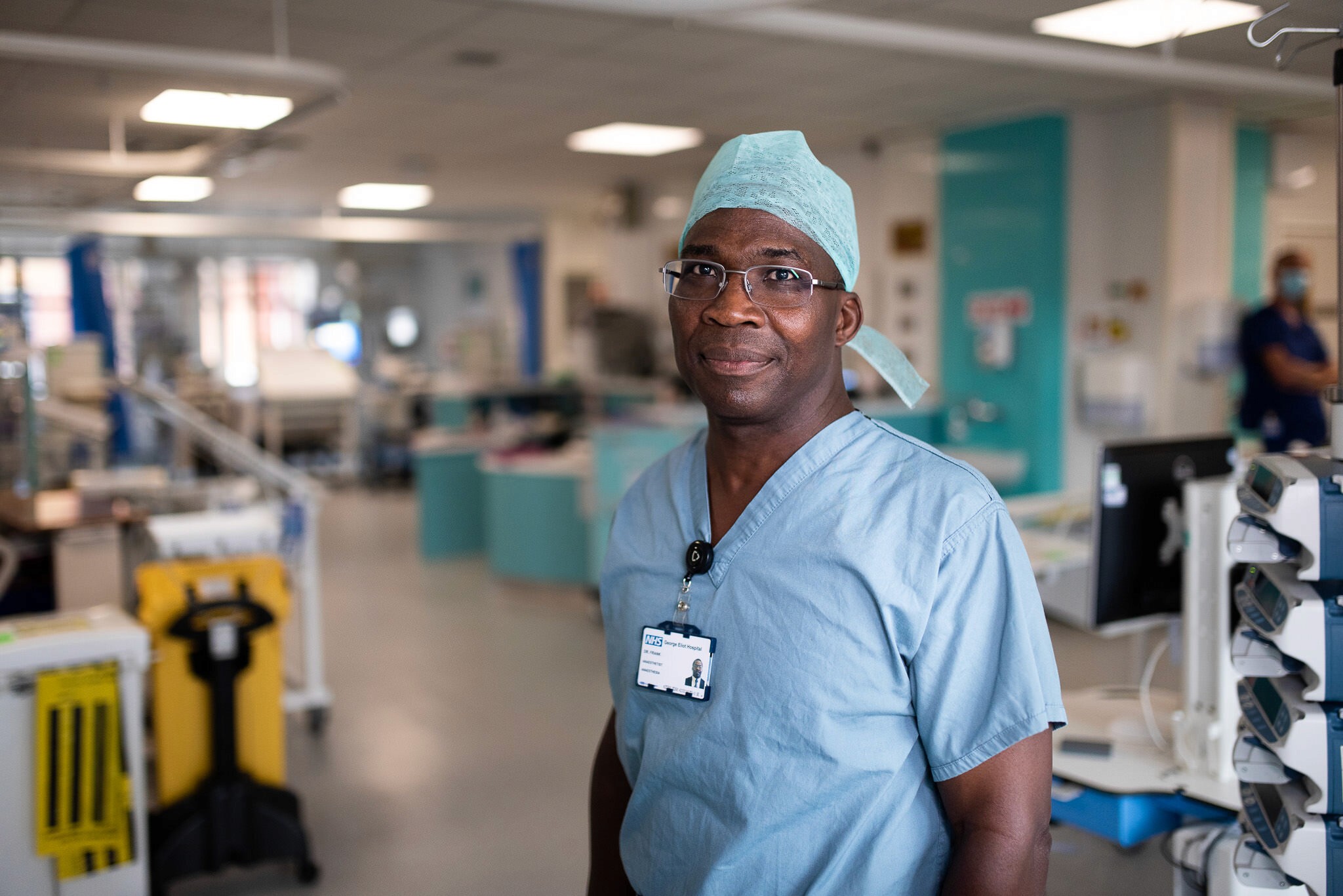
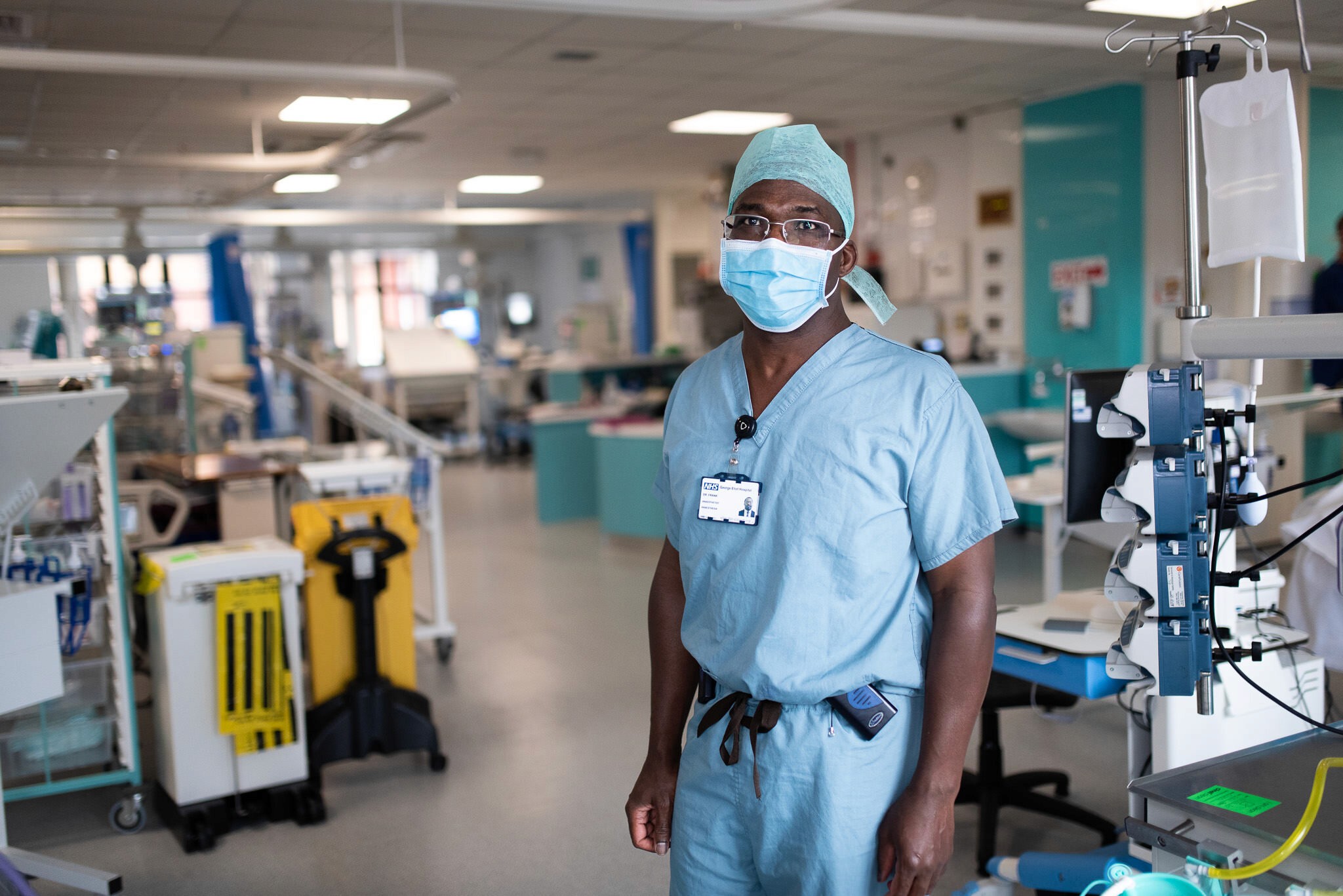
Frank - Anaesthetist
“It was scary going in at times but once there you just got on with it” says Frank, an Anaesthetist in the Intensive Care Unit. He hopes the spirit of “we are all in it together” continues.
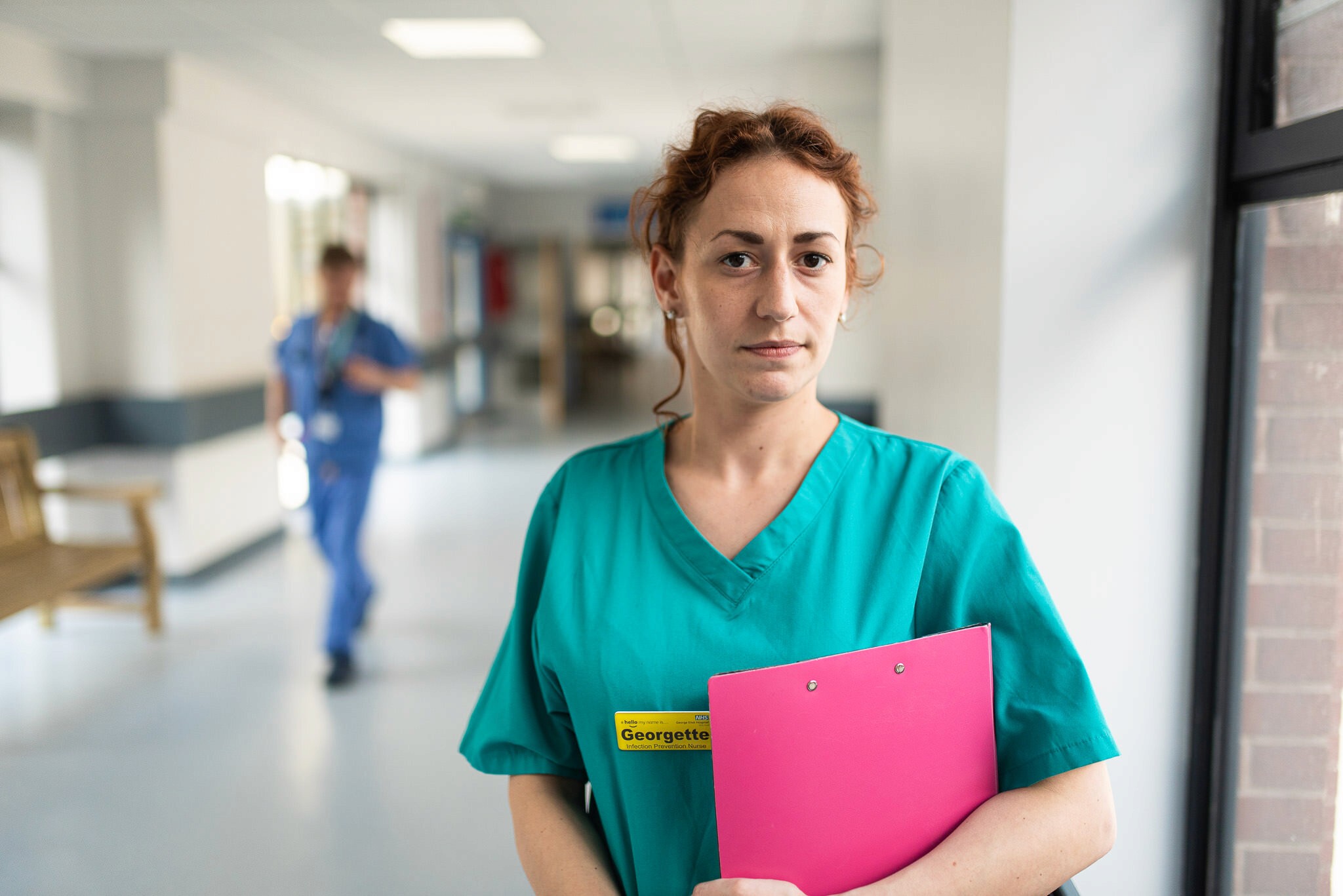
Georgette - Infection Prevention & Control Nurse
“Managing COVID as a junior infection control nurse was and still is an ongoing challenge.” Georgette is “constantly learning and adapting to ensure patient safety across the trust.” She feels the pandemic has massive influenced the NHS and her role from the “immense pressure placed on ICU and specialty services due to increased demand for COVID beds.” Her Infection Prevention and Control team “worked above and beyond [to] ensure all staff were trained in how to don and doff PPE, [and] how to manage and place patients with COVID,” while keeping their usual elective surgery and cancer services work going. Working across the hospital, she says “infection control really has had an insight into how well people come together in times like these.” The hospital went on to adopt a one way system and corridors were transformed with tape to help maintain appropriate distancing. Masks also became mandatory once inside the hospital.
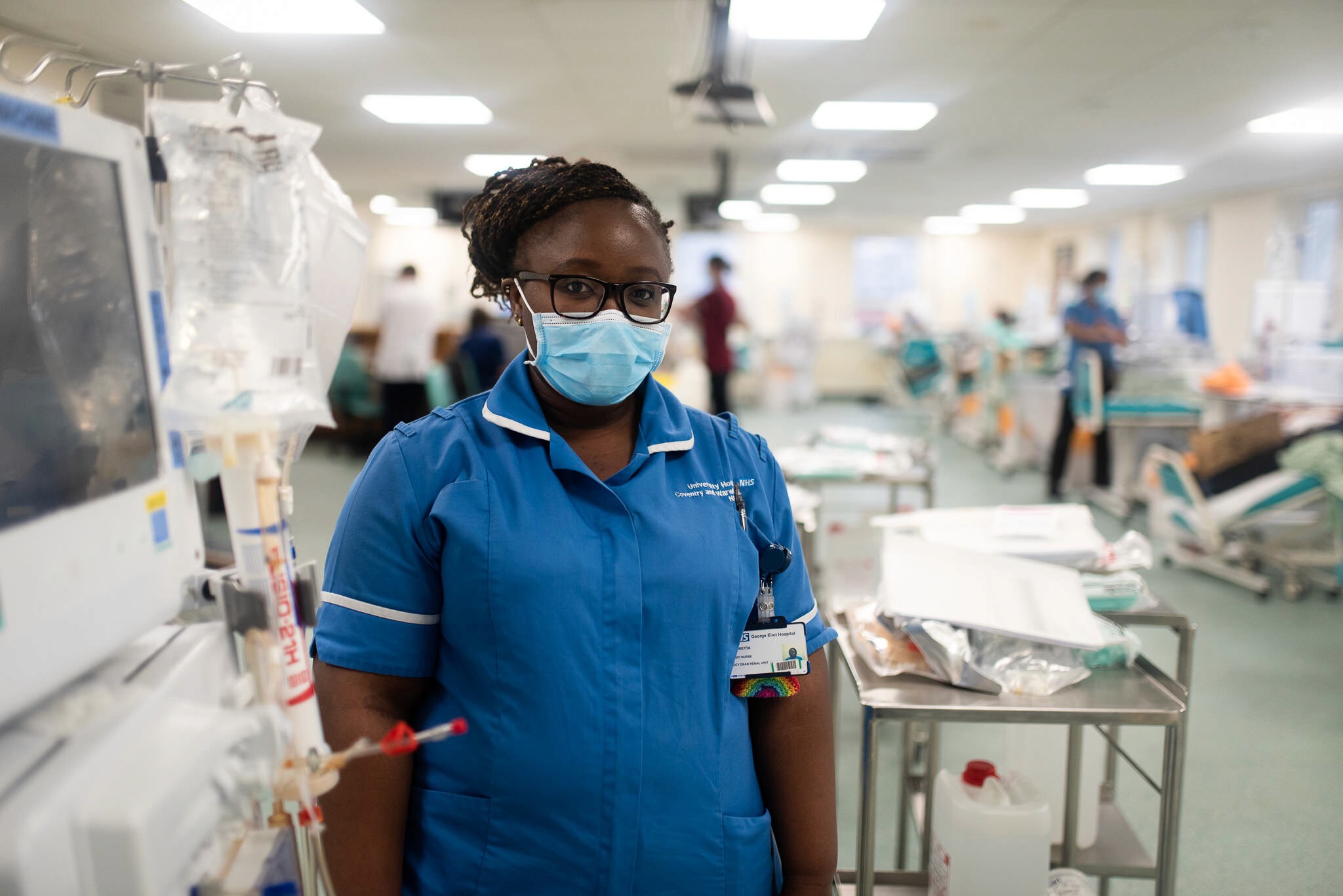
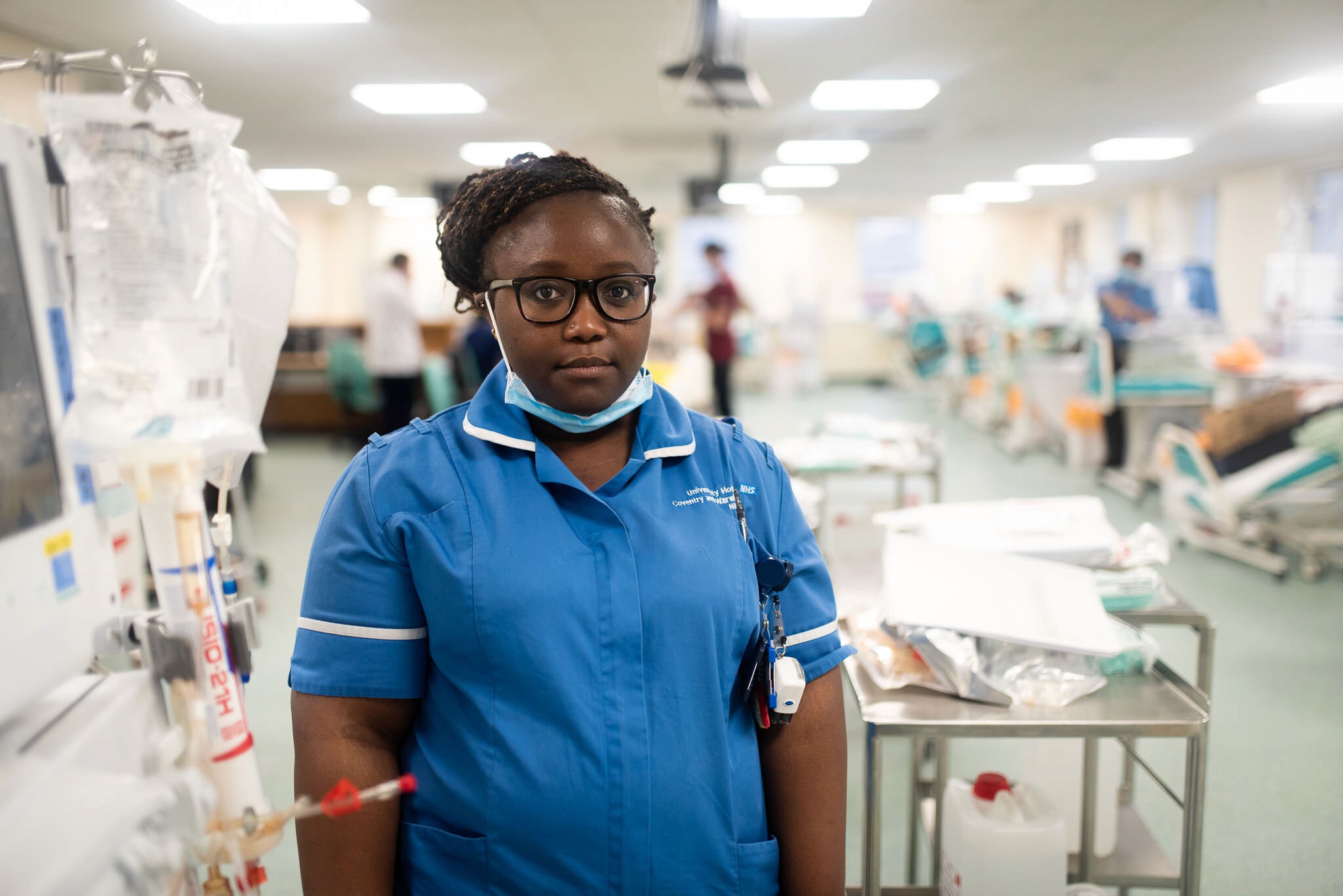
Henrietta - Dialysis Nurse
Henrietta felt “very anxious and worried at times” due to the uncertainty, but glad to stay and help her patients. As a haemodialysis nurse, she has supported patients through transplant delays and cancellations, and feels “so proud to work for the NHS”.
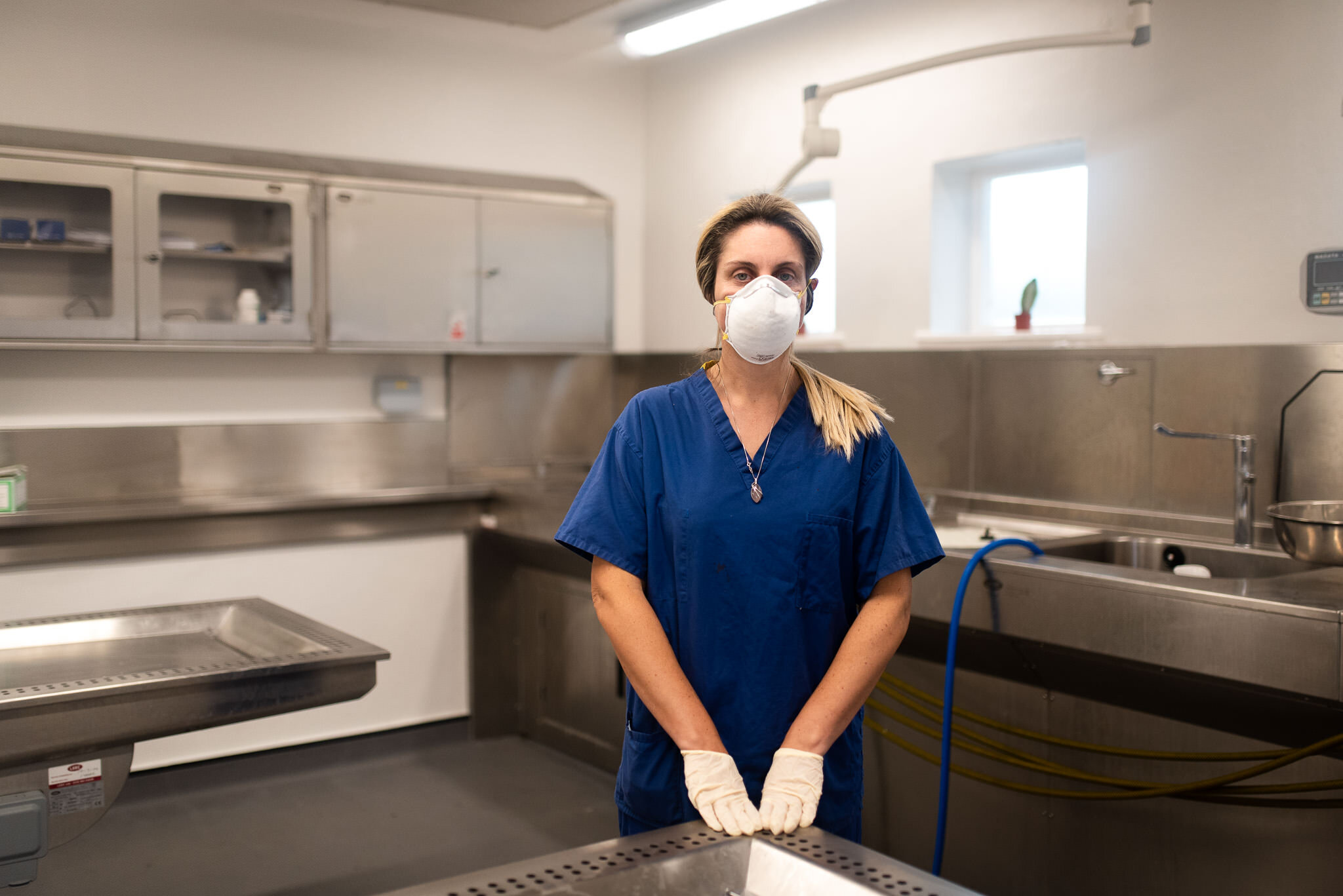
Jennifer - Mortuary & Bereavement Manager
Jennifer hasn’t had the “chance to actually stop and think about myself” as she focuses on her role as Bereavement & Mortuary Manager. She feels she has “been pushed to our limit” but immensely proud that they maintained proper dignity for every patient, even during the overwhelming pressures of the April peak.
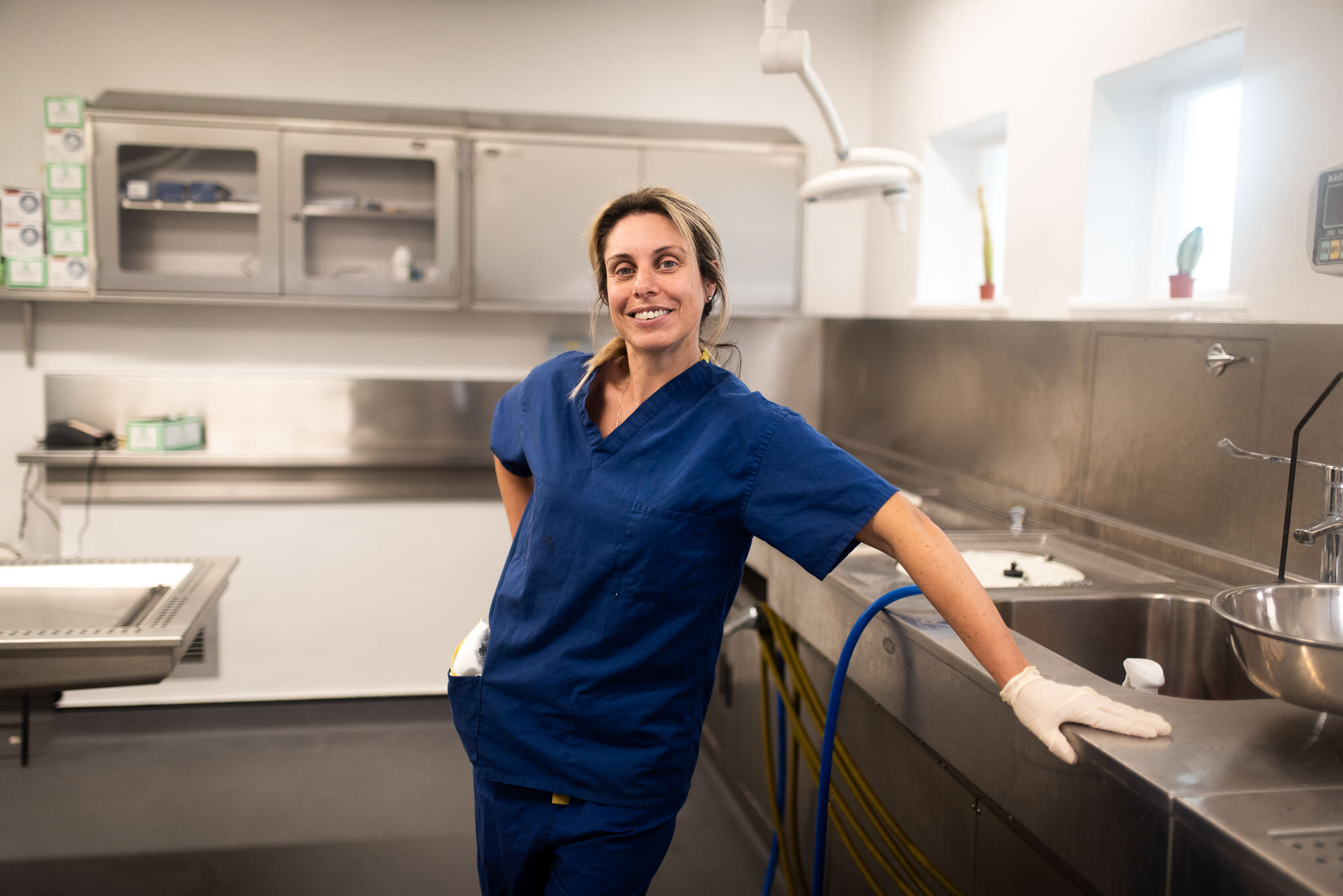
Kirsty - Medical Student - 1 month before graduating
As a final year medical student, Kirsty started supervised work early and felt “anxious about my family and the risk I might pose to them, but I feel like I’m helping and fulfilling the role I have trained for over 4 years. I love my job.” She feels the pandemic is “pushing the limits of how much staff are willing to risk in order to do their job. Team spirit is high though, it’s a supportive atmosphere.”
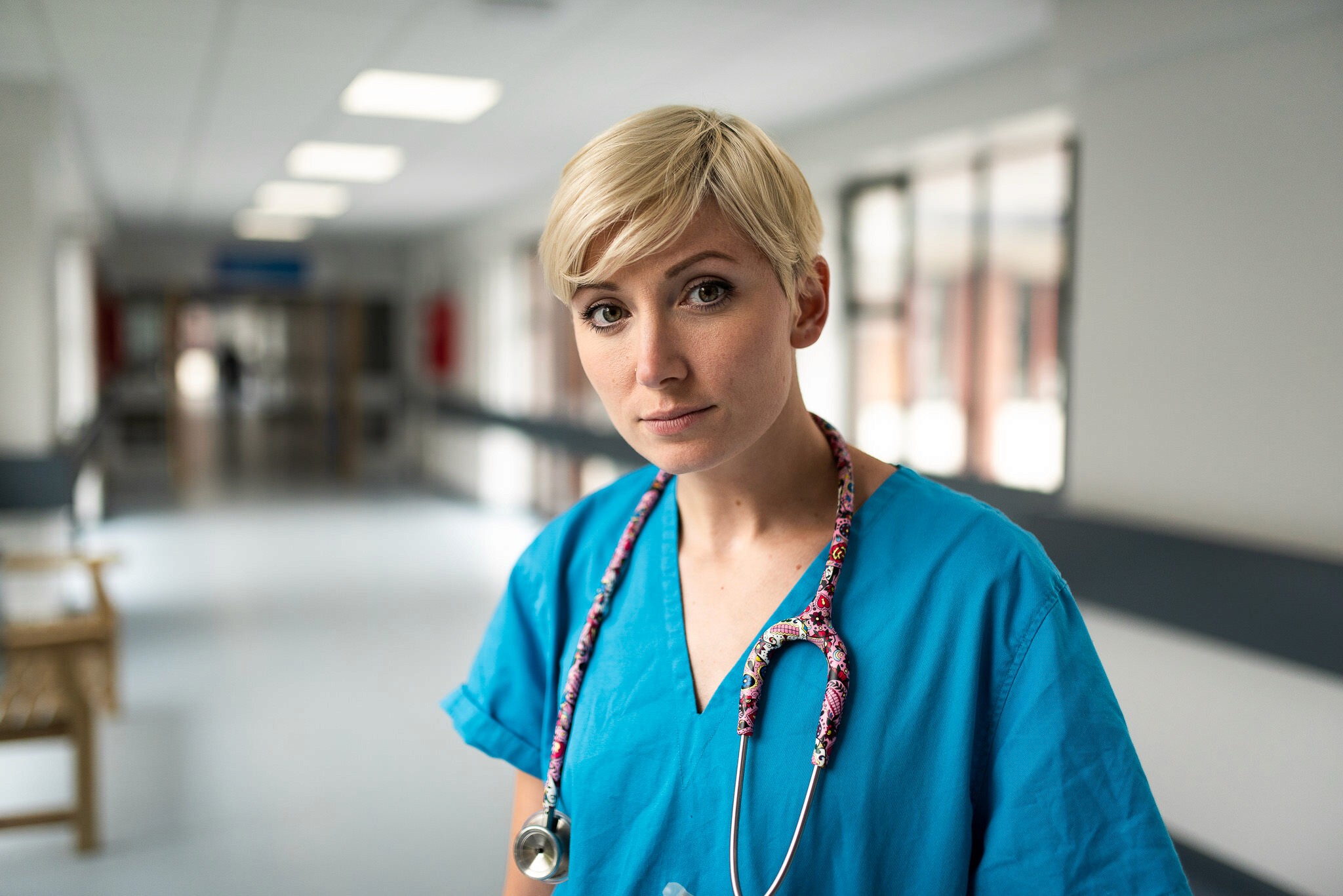
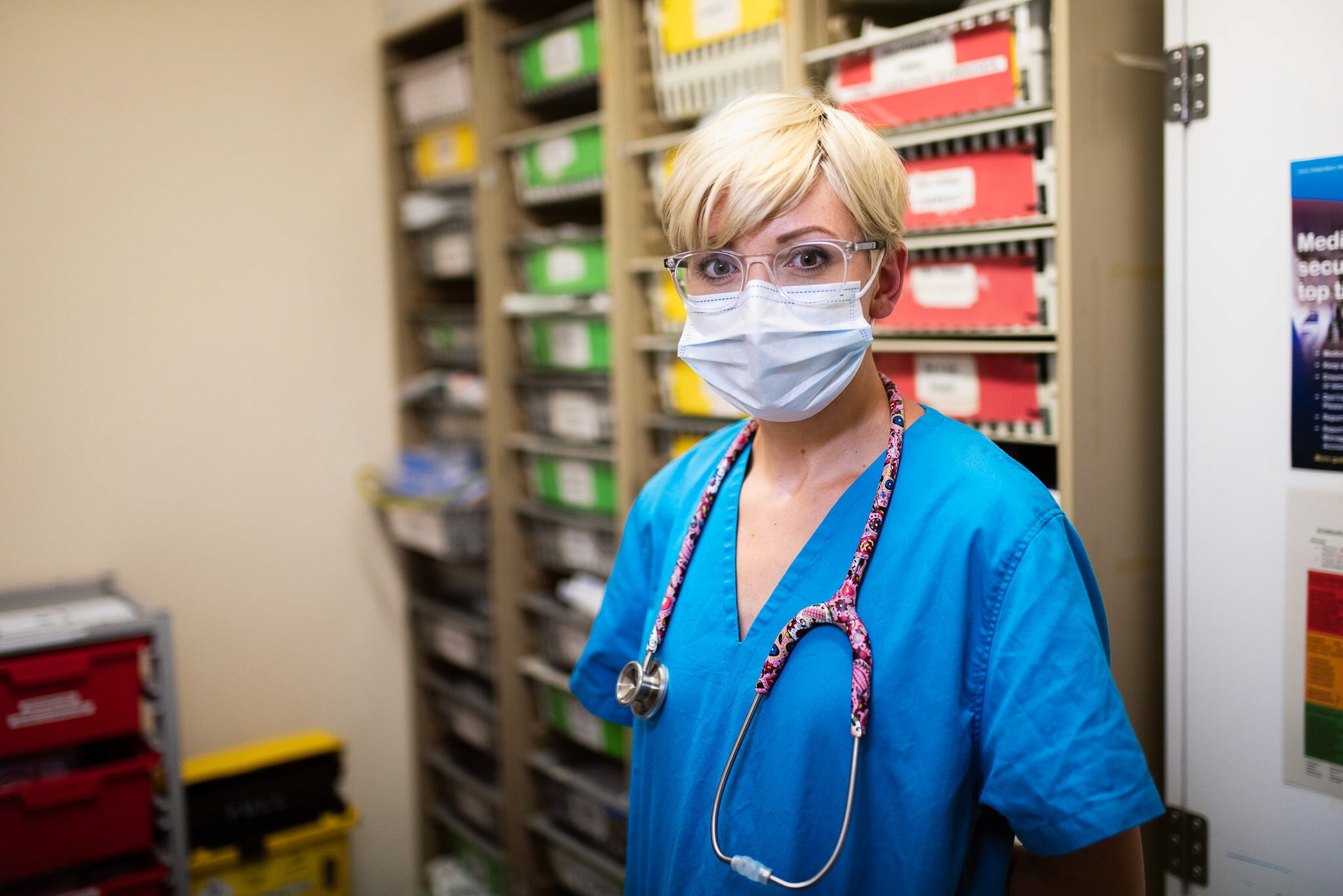
Lisa - COVID Emergency Dept. Nurse
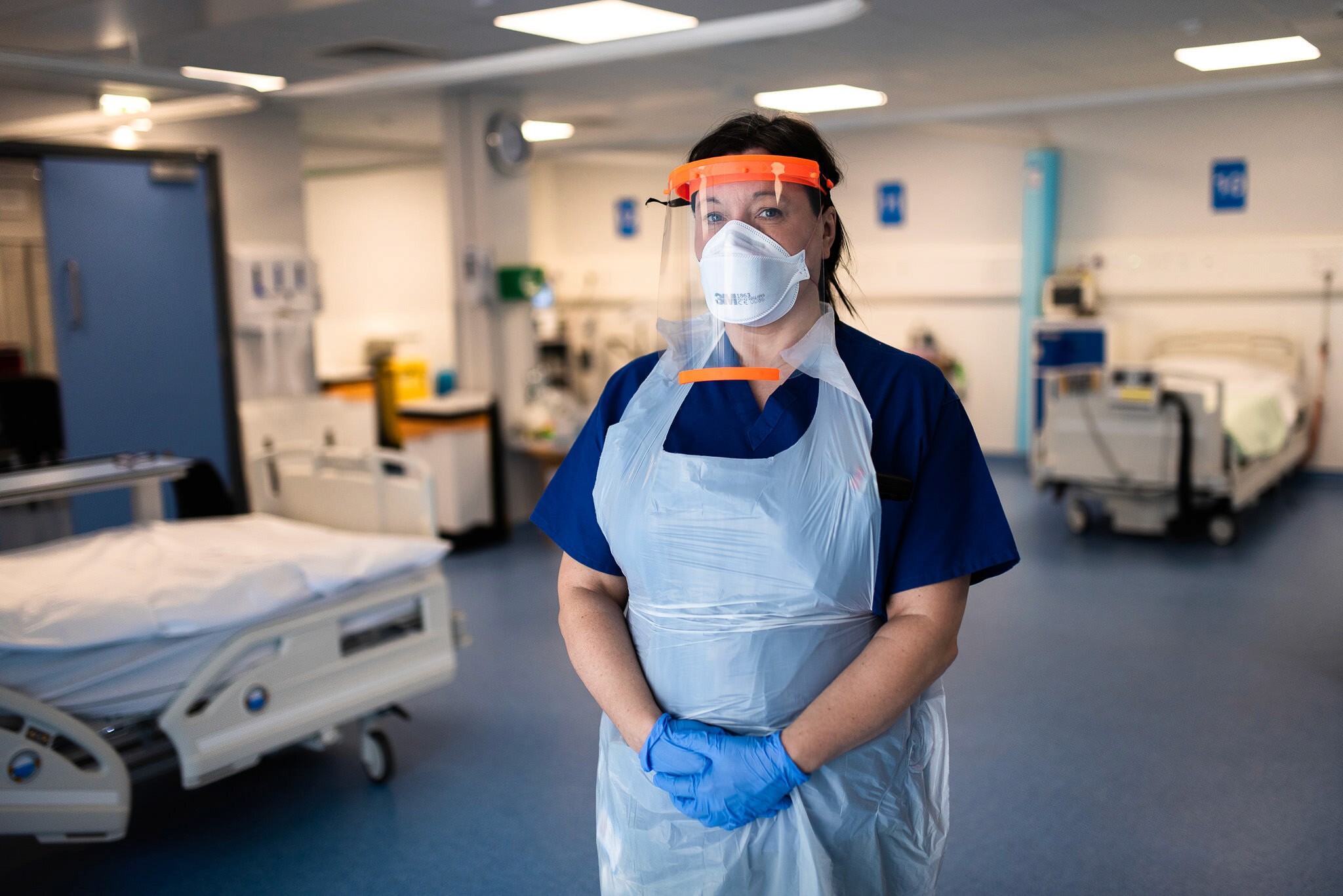
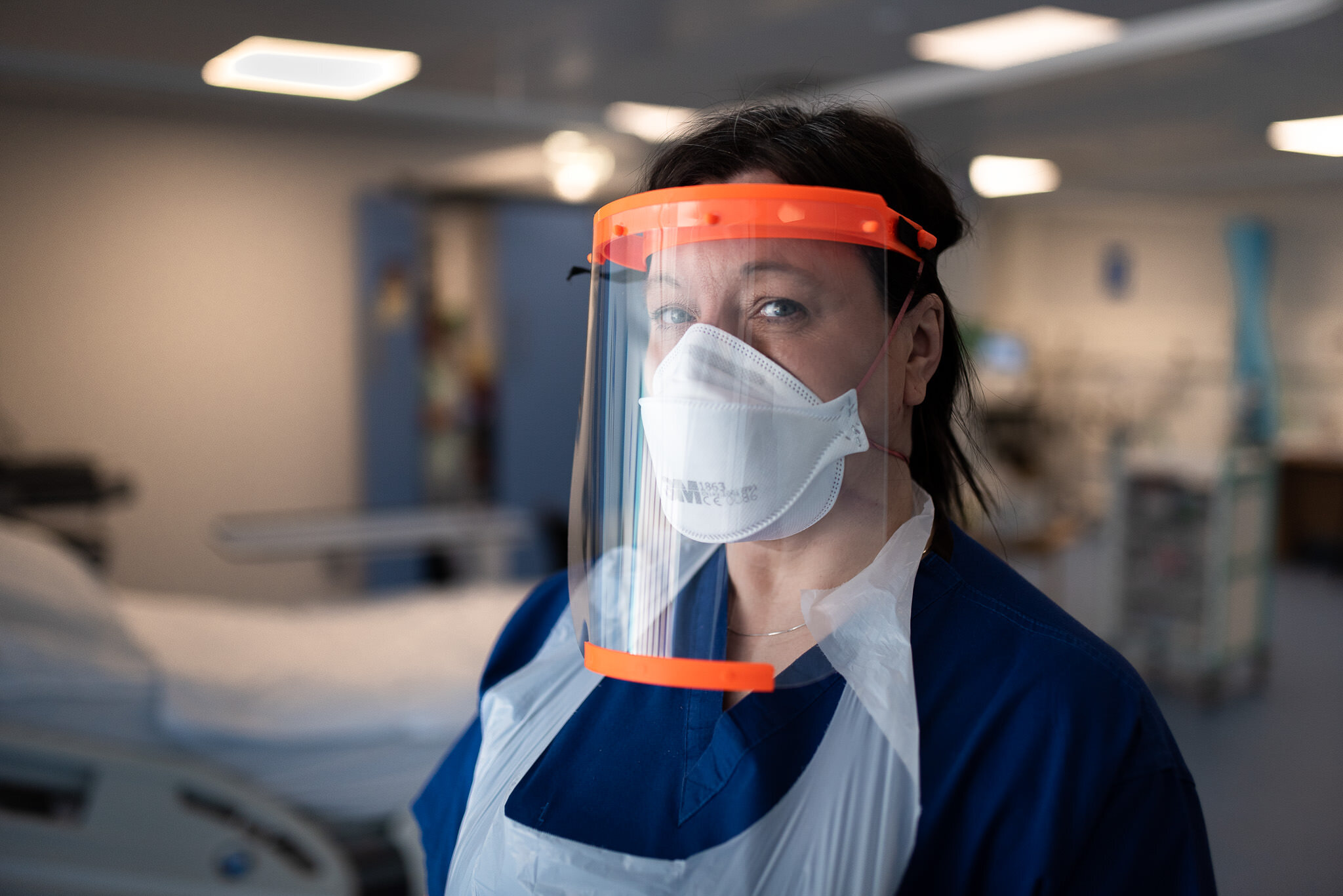
Meera - Intensive Care Unit (ICU) Consultant Doctor & Clinical Director of Support Services
As ICU Consultant and Clinical Director of Support Services, Meera described a “sheer fear of the unknown” as patients became suddenly very ill with limited equipment, medicines and oxygen. She feels the NHS has been severely affected with a big burden of delayed non-essential work left to staff how have “worked extremely hard physically and mentally.” Breaking bad news over the phone and saying goodbyes over FaceTime have been extremely difficult. She hopes that more mental health support will be made available to staff who are dealing with the trauma of overwhelming patient bereavements and unwell colleagues.


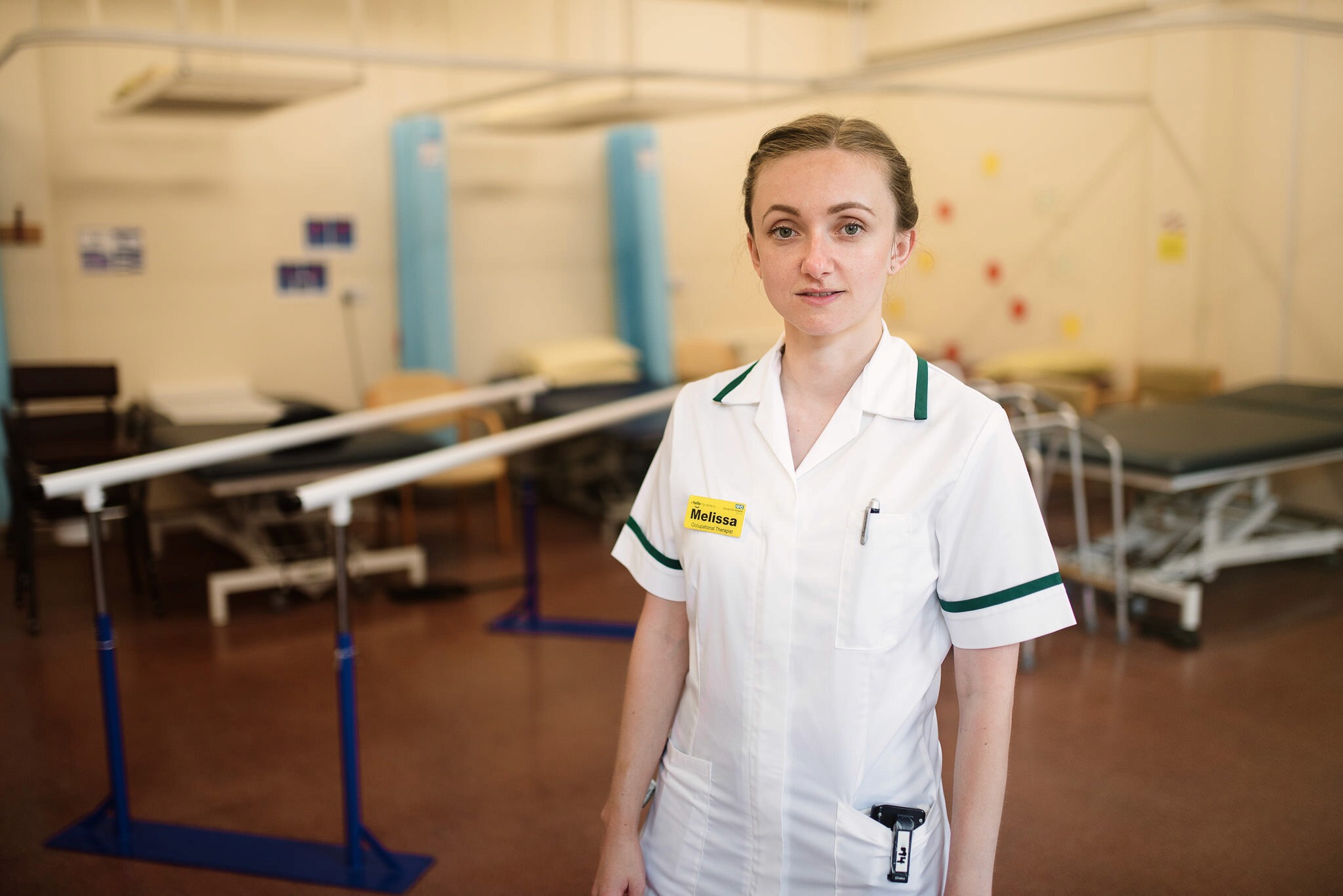
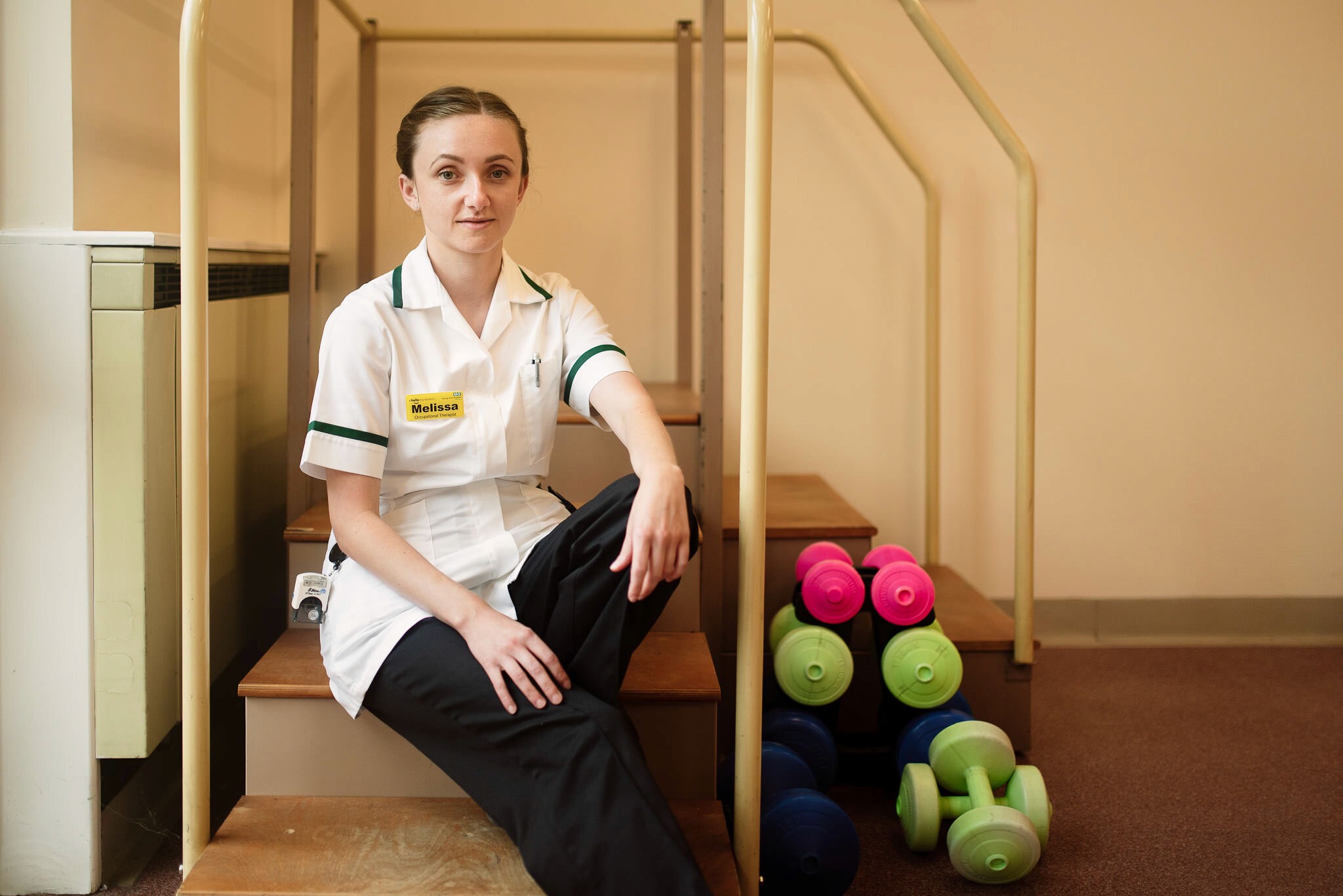
Melissa - Occupational Therapist
Melissa feels bittersweet from the “sad and trying times on the wards [which have] made the team pull together and become stronger.” As an occupational therapist, she said “part of my role is adapting the home environment in preparation for discharge which includes visiting the property. [As this could not happen], I had to be creative and work closely with patients’ family members to use technology to see the home and work together to make sure it was adapted appropriately.” She is concerned that “patients who were holding off coming into hospital due to COVID are now slowly arriving very poorly, needing increased medical input.” She hopes there is “increased community support for rehabilitation of patients affected by COVID.”
Michelle - Bereavement Administrator
Michelle felt “worried, anxious and a little stressed” in her role as Bereavement administrator. She can “no longer meet with grieving families who have lost their loved ones [so they] only speak on the phone.” She feels the NHS has “become a family [but] been very stretched [and the] hours that staff have put in have been exceptional.”
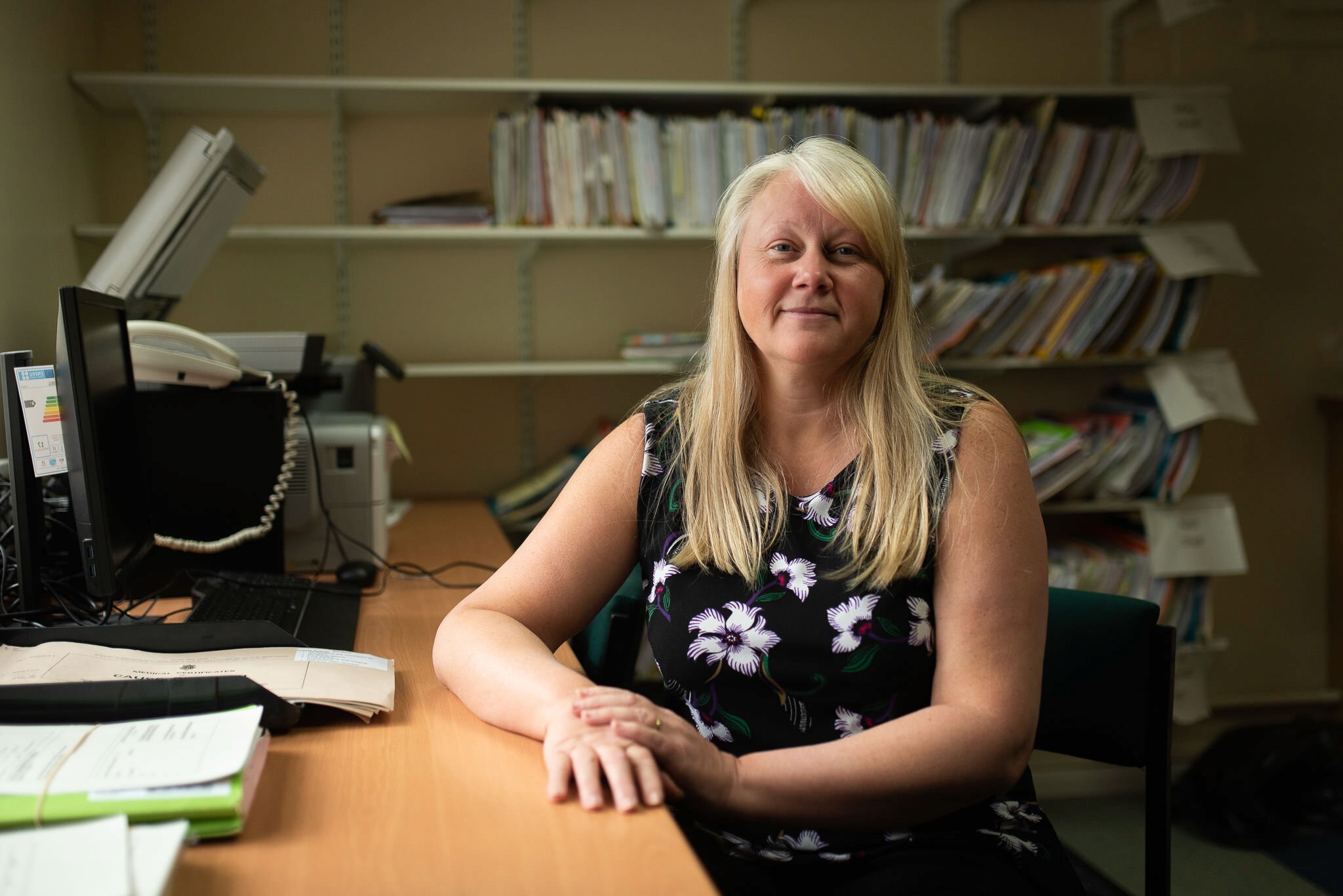
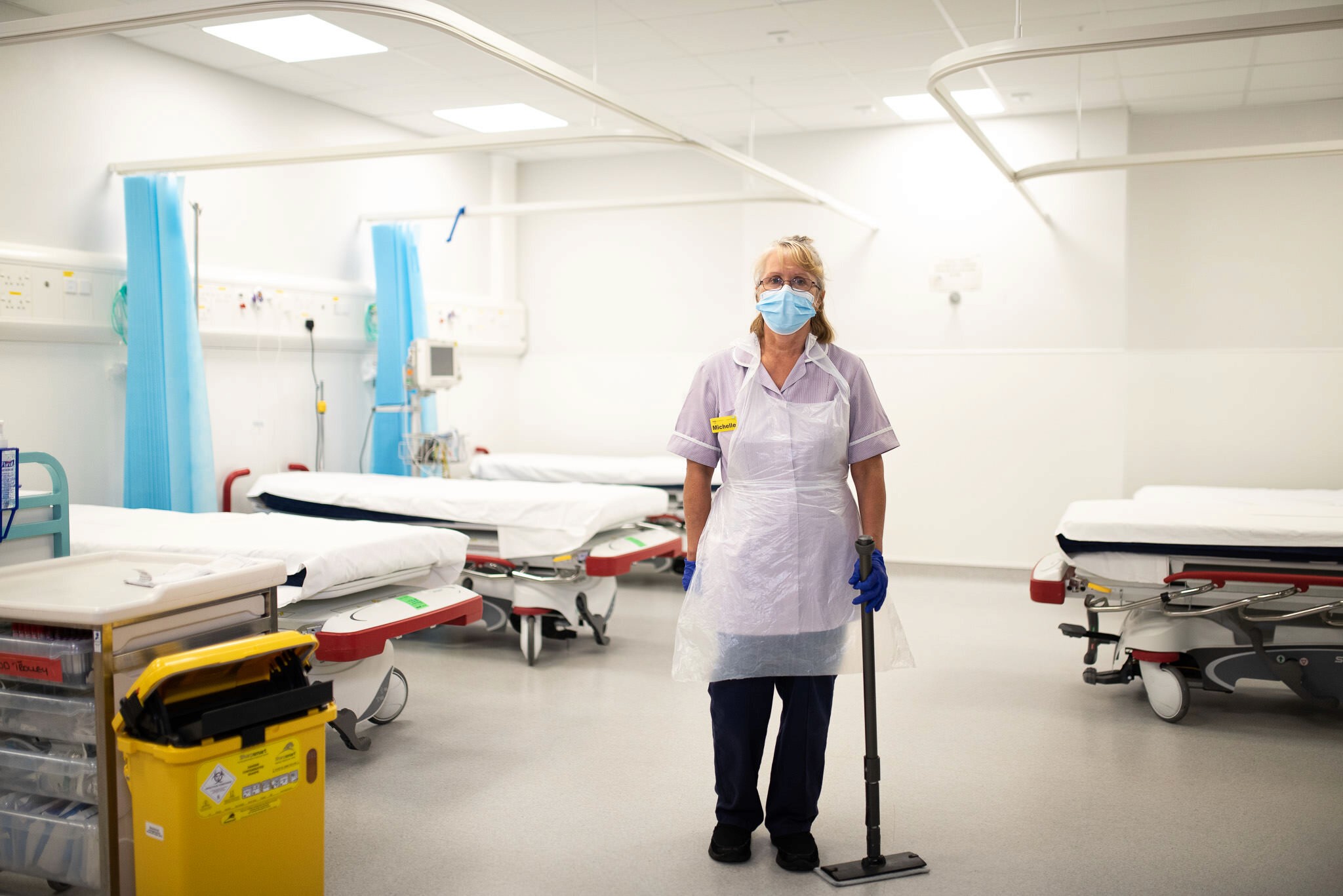
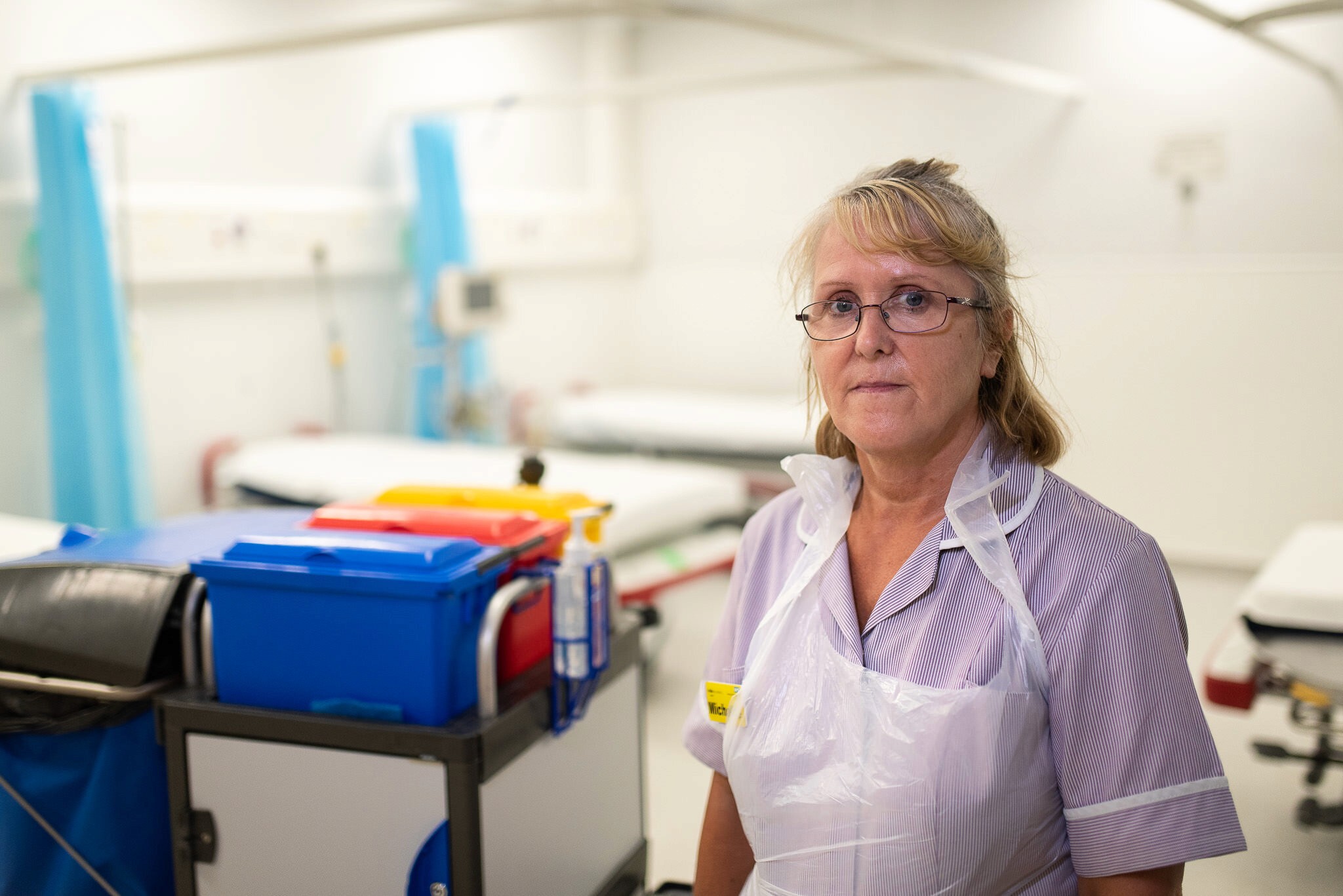
Michelle - Emergency Dept. Domestics Worker
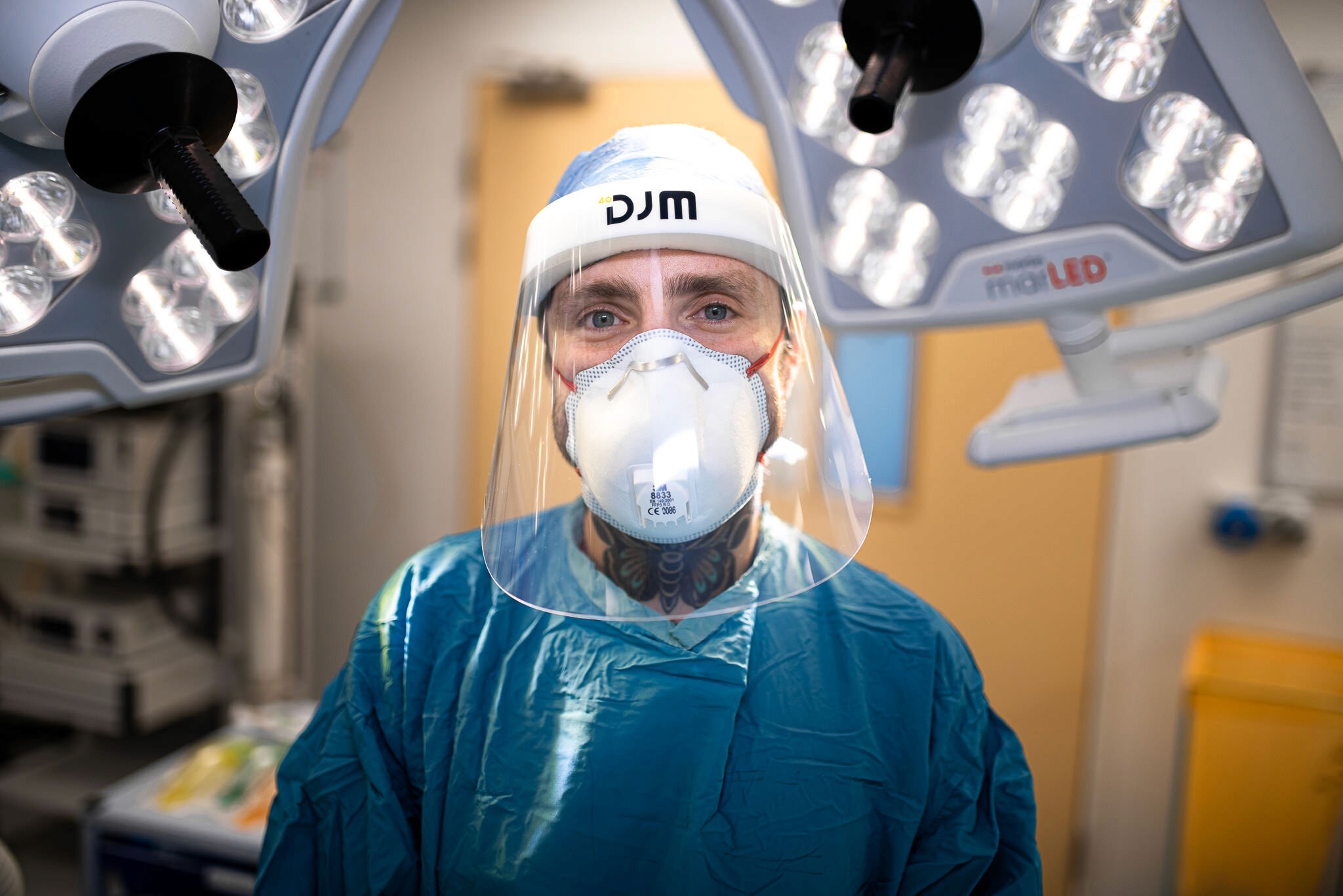
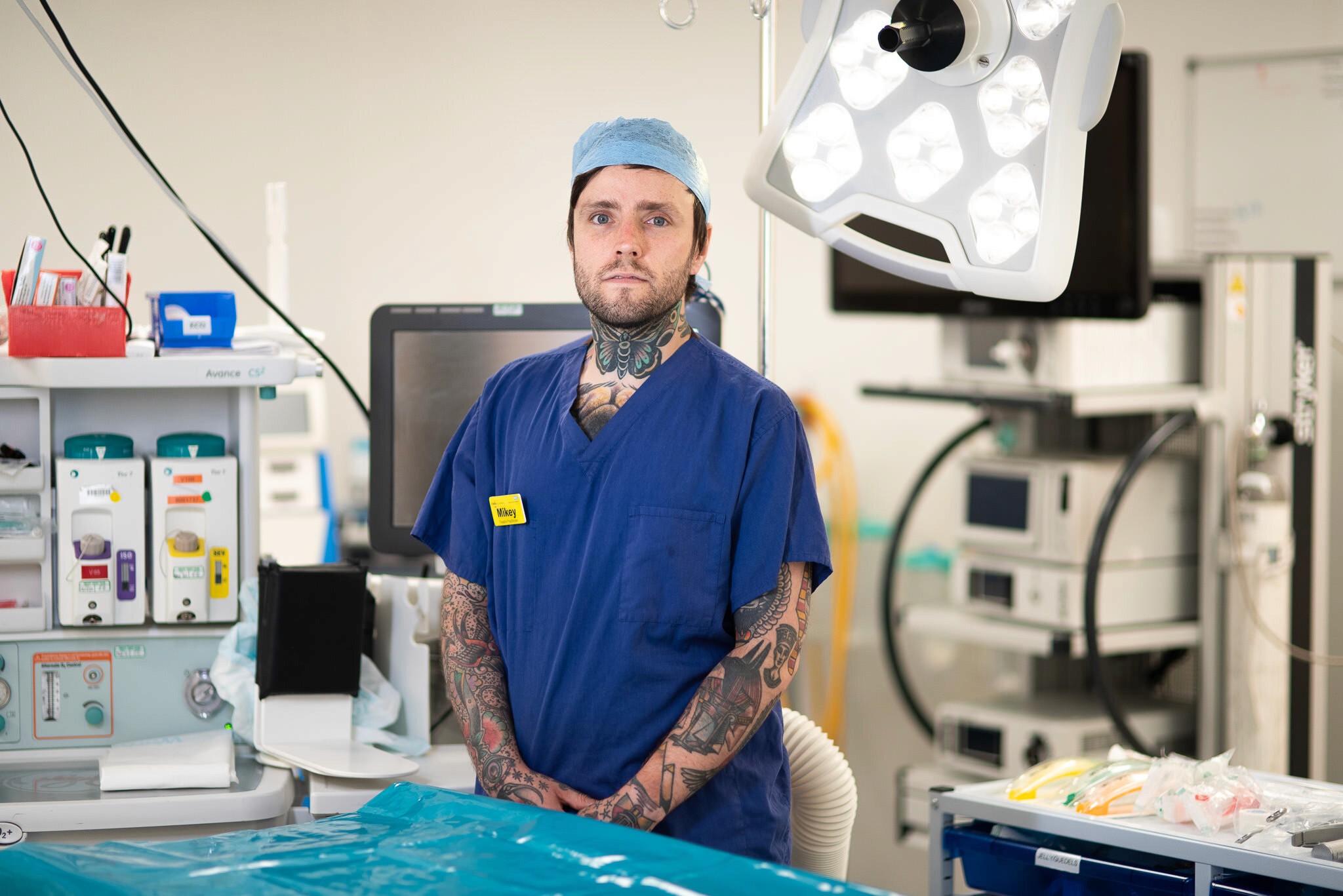
Mikey - Theatres Operating Department Practitioner (ODP)
Mikey has “enjoyed the different challenges thrown [his] way.” He had additional training to help relieve pressures in ICU and feels the pandemic has “created a real sense of unity between departments”. He hopes “appreciation for our NHS continues.”
Nicky - Midwifery Student
Midwifery student Nicky “opted in to work during the pandemic”, which left her “worried for vulnerable people but glad the hospital is taking measures to protect patients and staff.” She says “it’s been hard with staff shortages and isolations, but there have been a lot of people coming forward to help.” She hopes “NHS staff continue to get the recognition they deserve.”
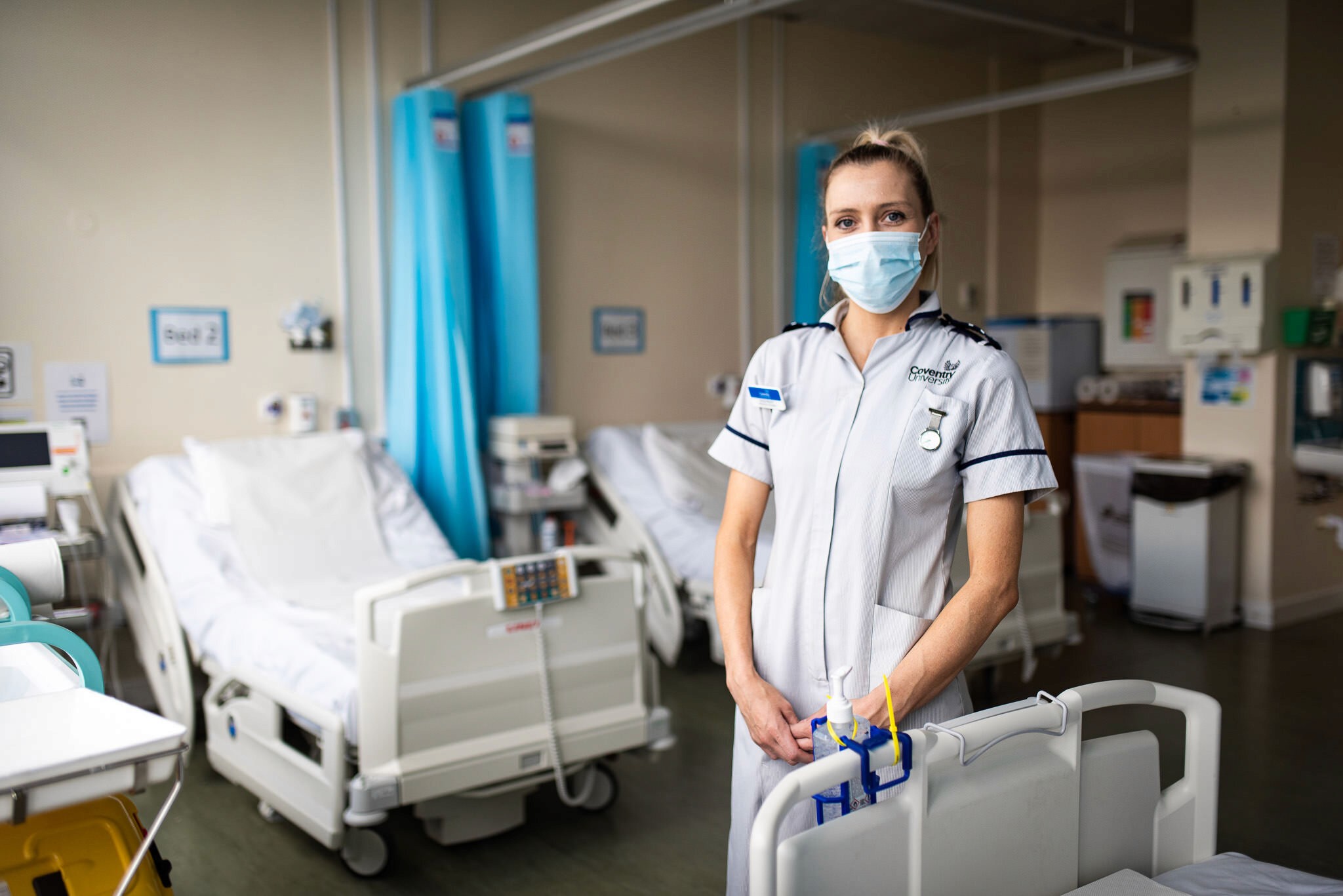
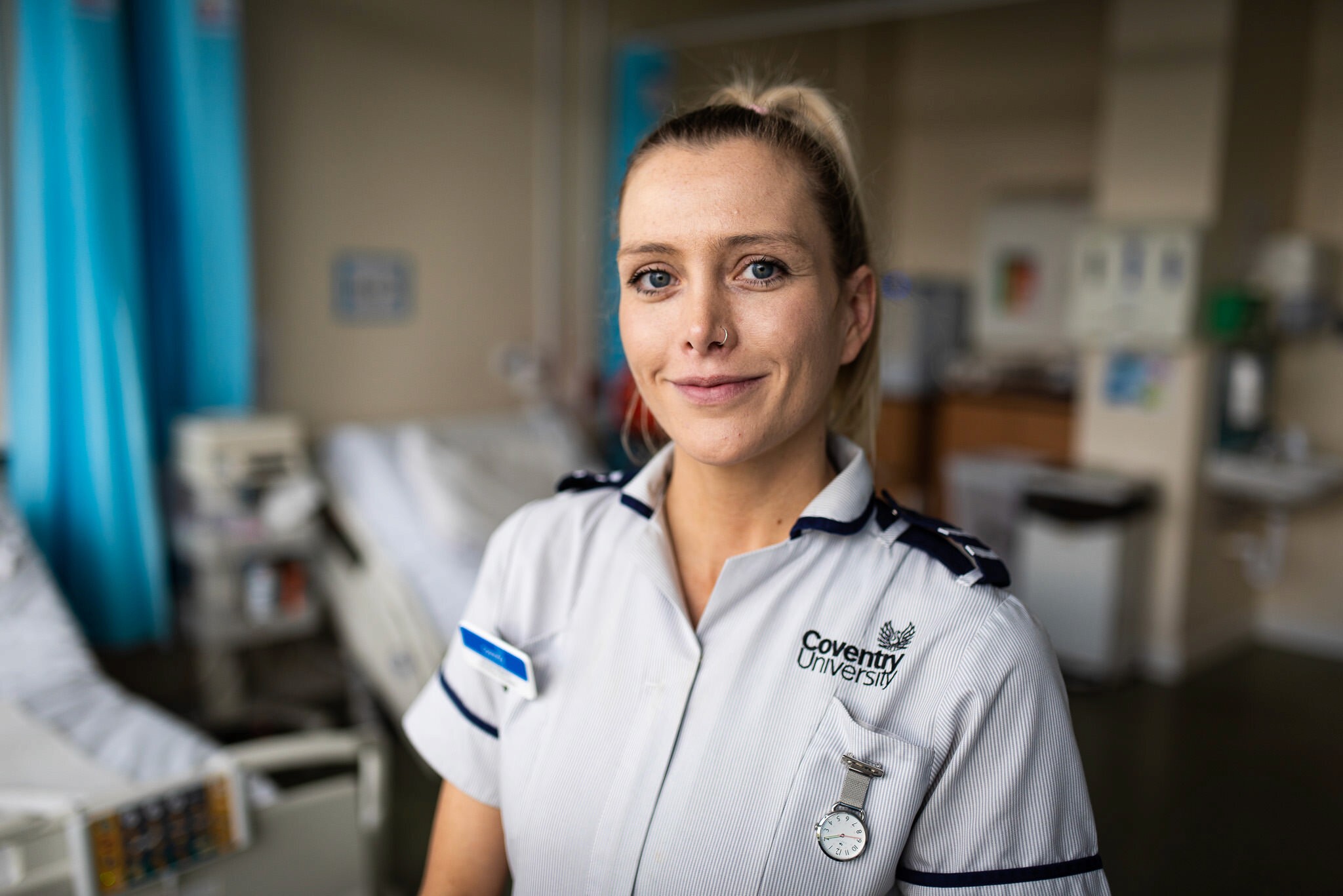
Nicola - Healthcare Support Worker
Healthcare Support Worker Nicola White found herself stressed, worried, anxious and tired, and particularly worried about the impact on her family. “Many of my colleagues will have dealt with many awful things during this time and I know it will have affected many peoples mental health.”
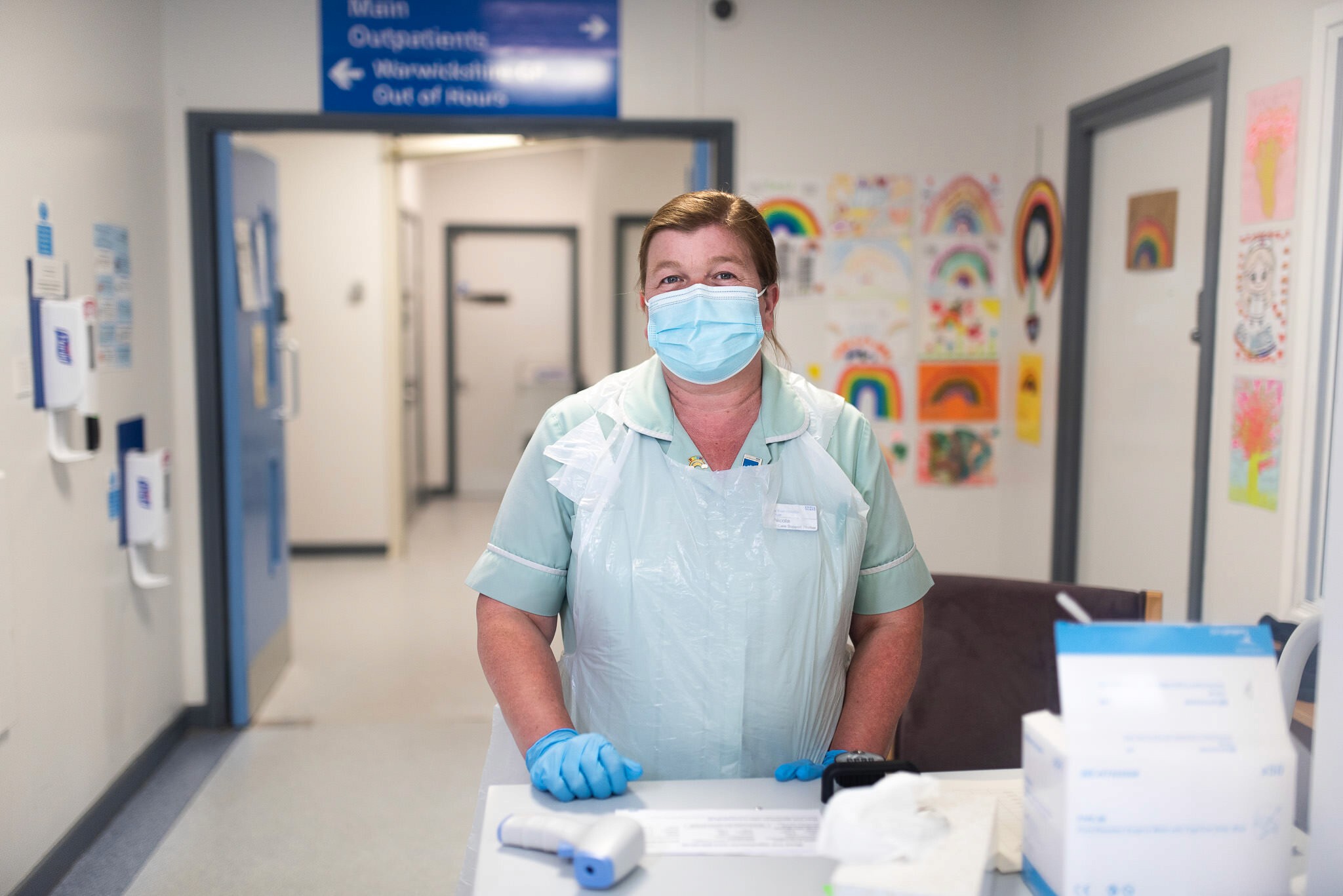
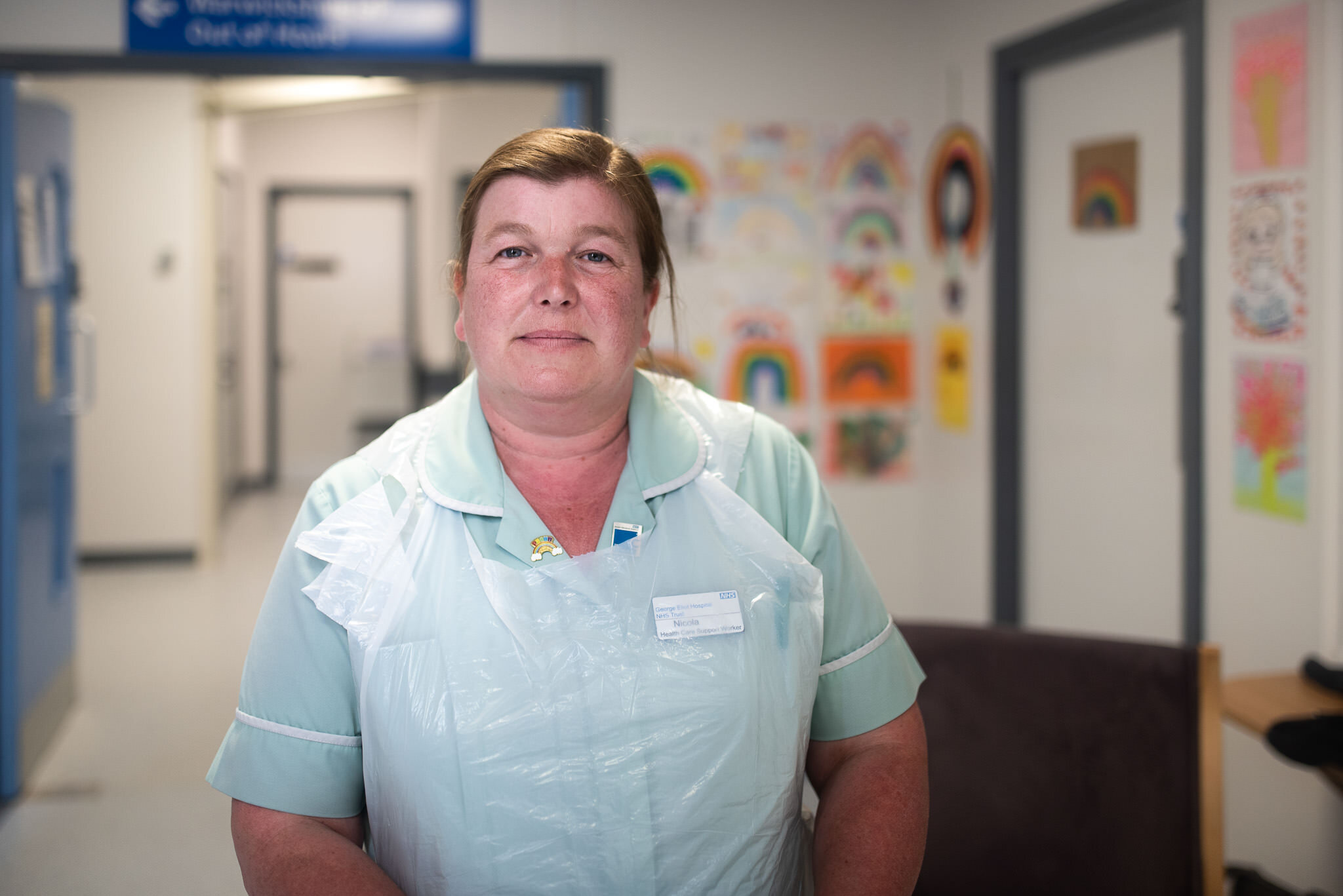
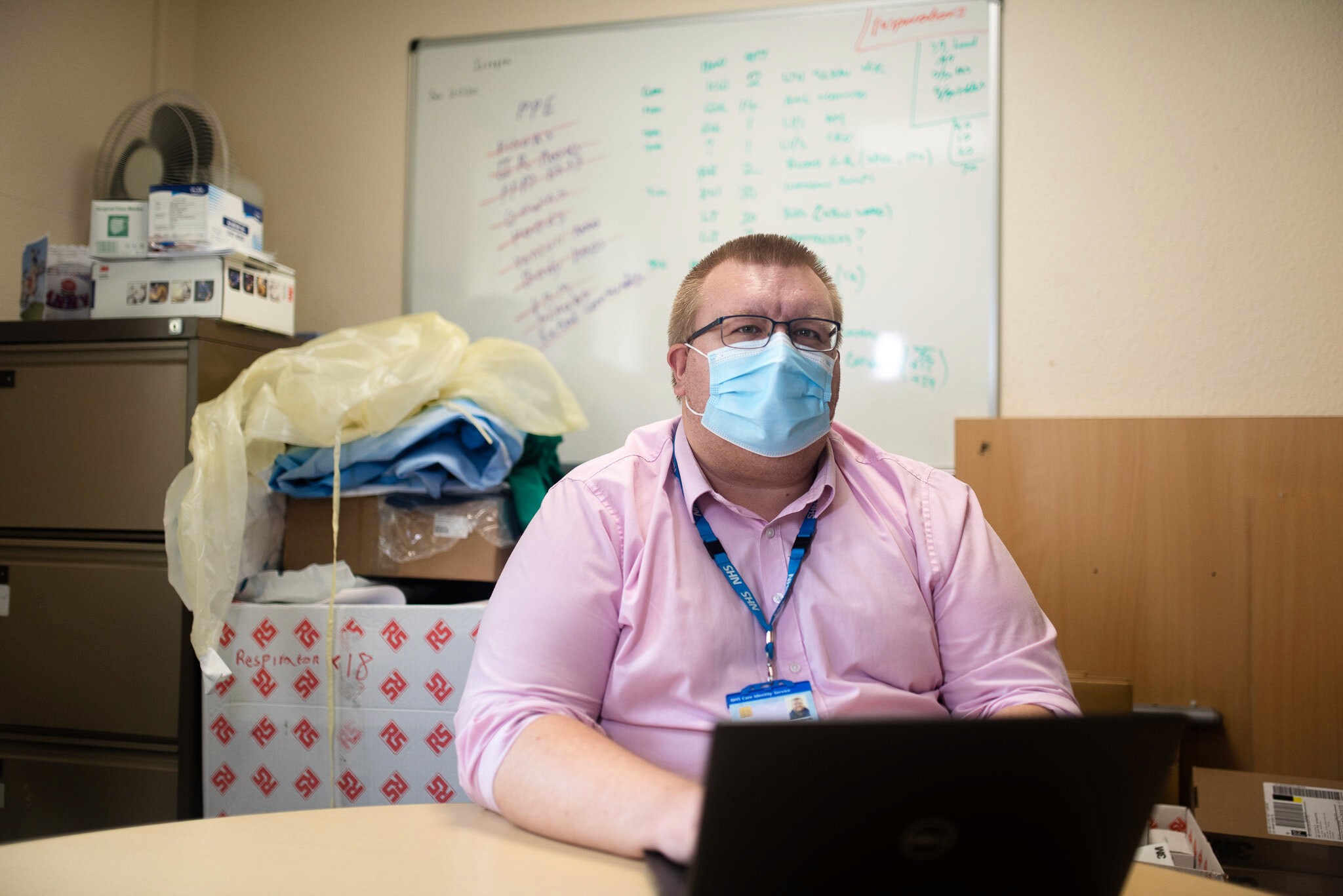
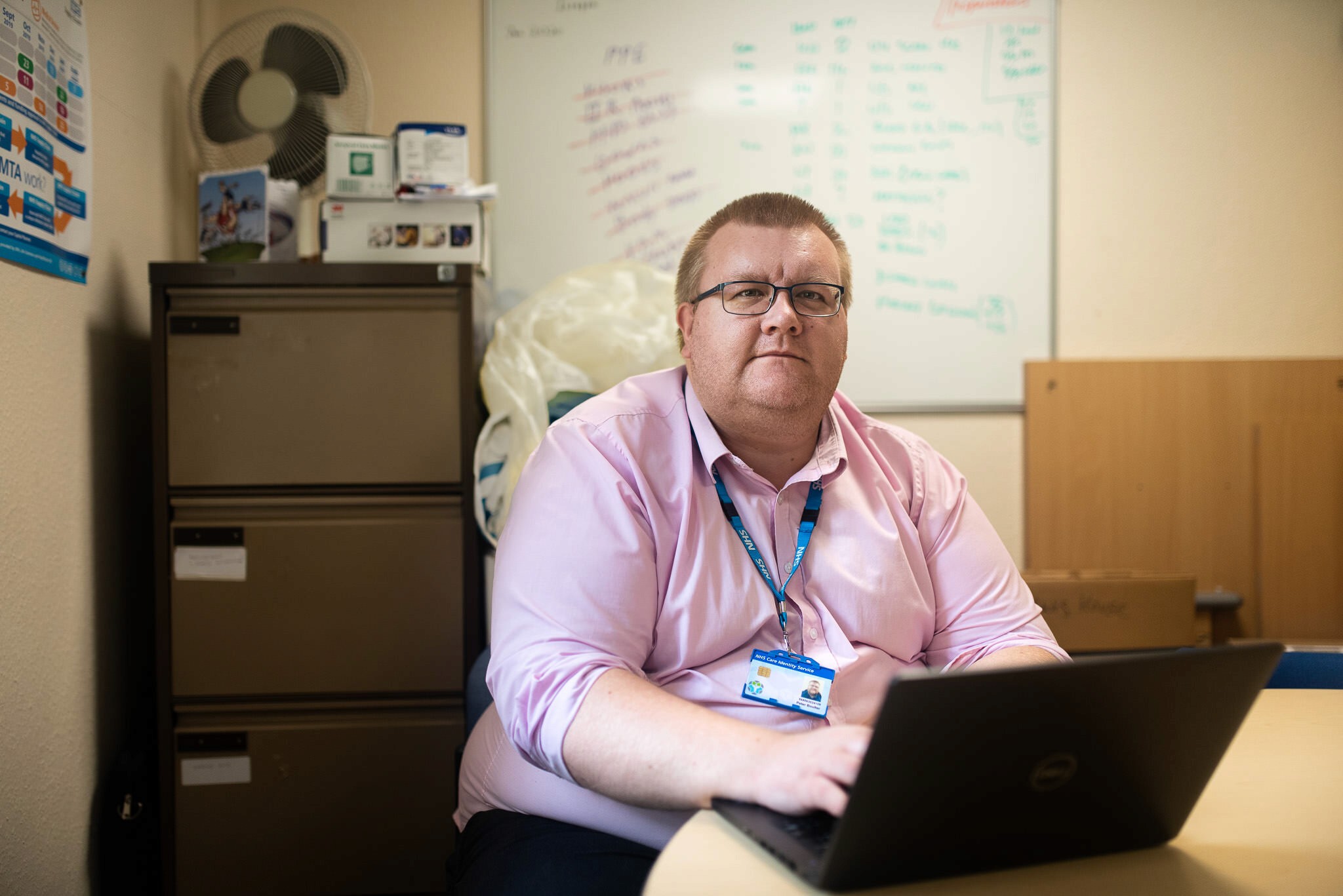
Peter - Procurement Category Manager
Peter Boulter, a Procurement Category Manager, is proud and grateful to the frontline clinical staff keeping us safe. He says: “I think the NHS has won some admirers during the pandemic. We have all seen the outpouring of appreciation from the general public. That said we have also seen a lot of strain put on the NHS to manage the pandemic.”
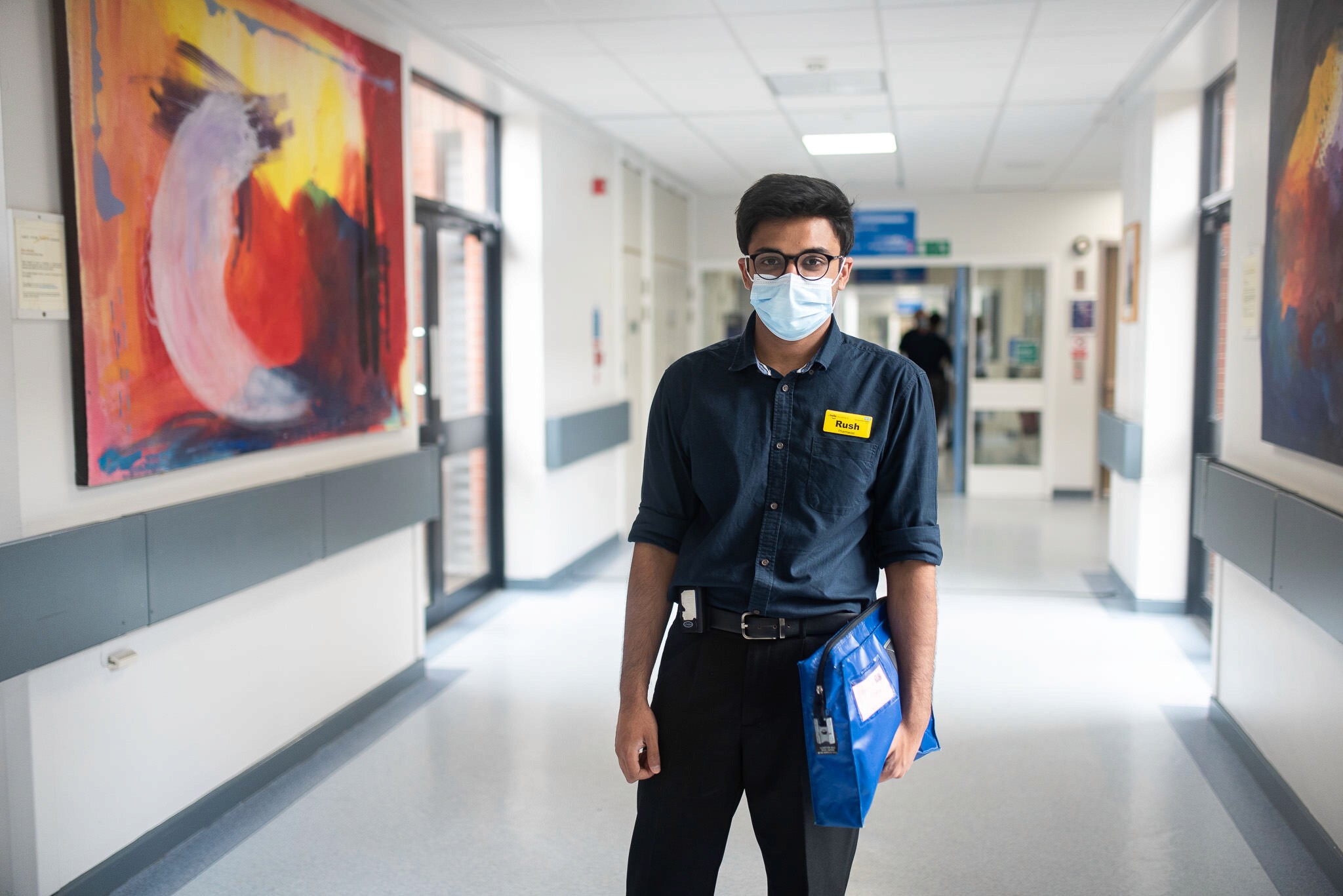
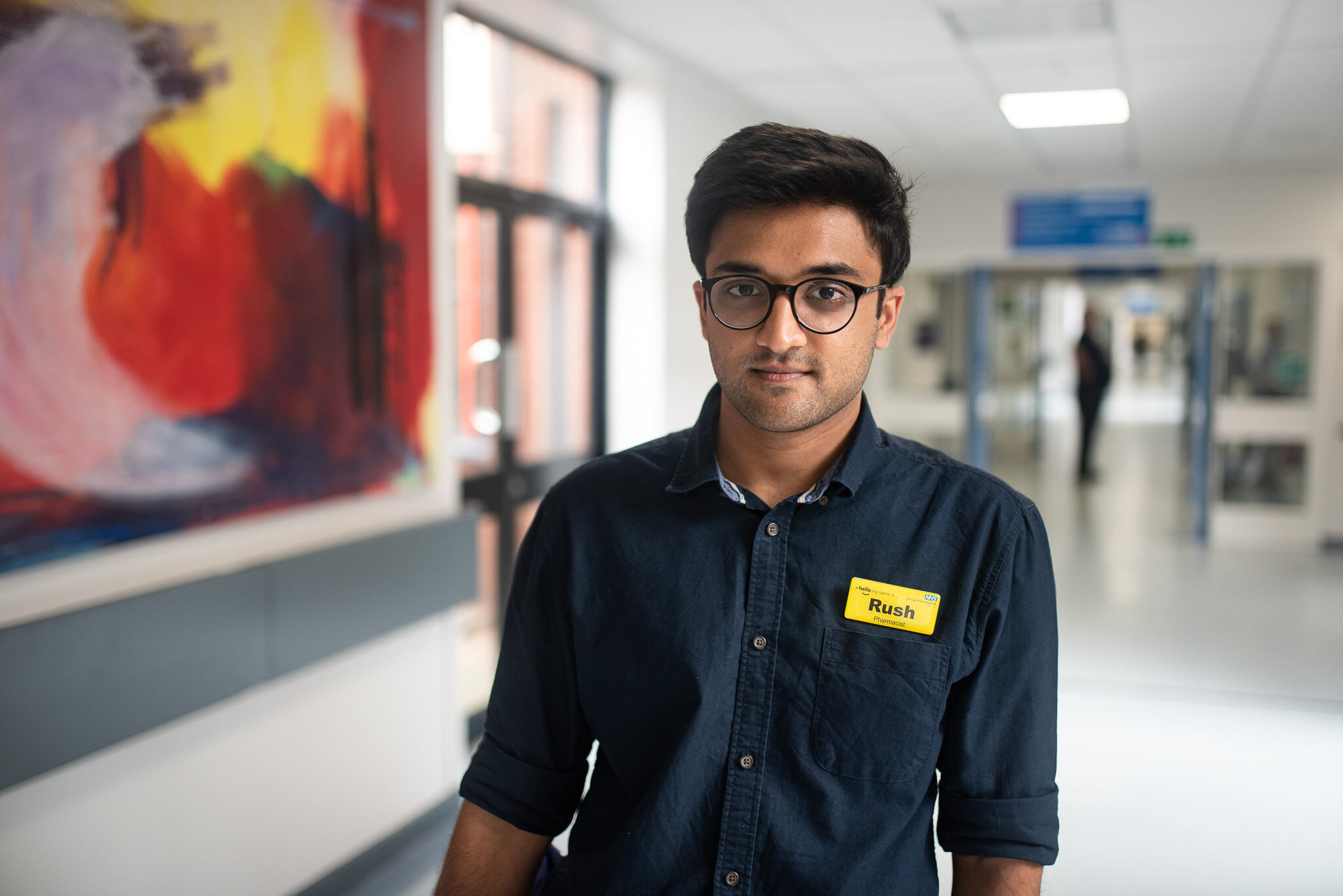
Rushabh - Pharmacist
As a pharmacist, Rushabh Shah would usually be moving from ward to ward seeing patients, something that was more restricted during the pandemic. “However, the workers have worked unimaginably hard, sacrificing their family time to do the extra shifts that need covering. They have been adapting daily to the changes in guidance and taking a risk to themselves to treat all patients, not just the doctors and nurses that directly treat patients but also the support staff and allied healthcare professionals.”
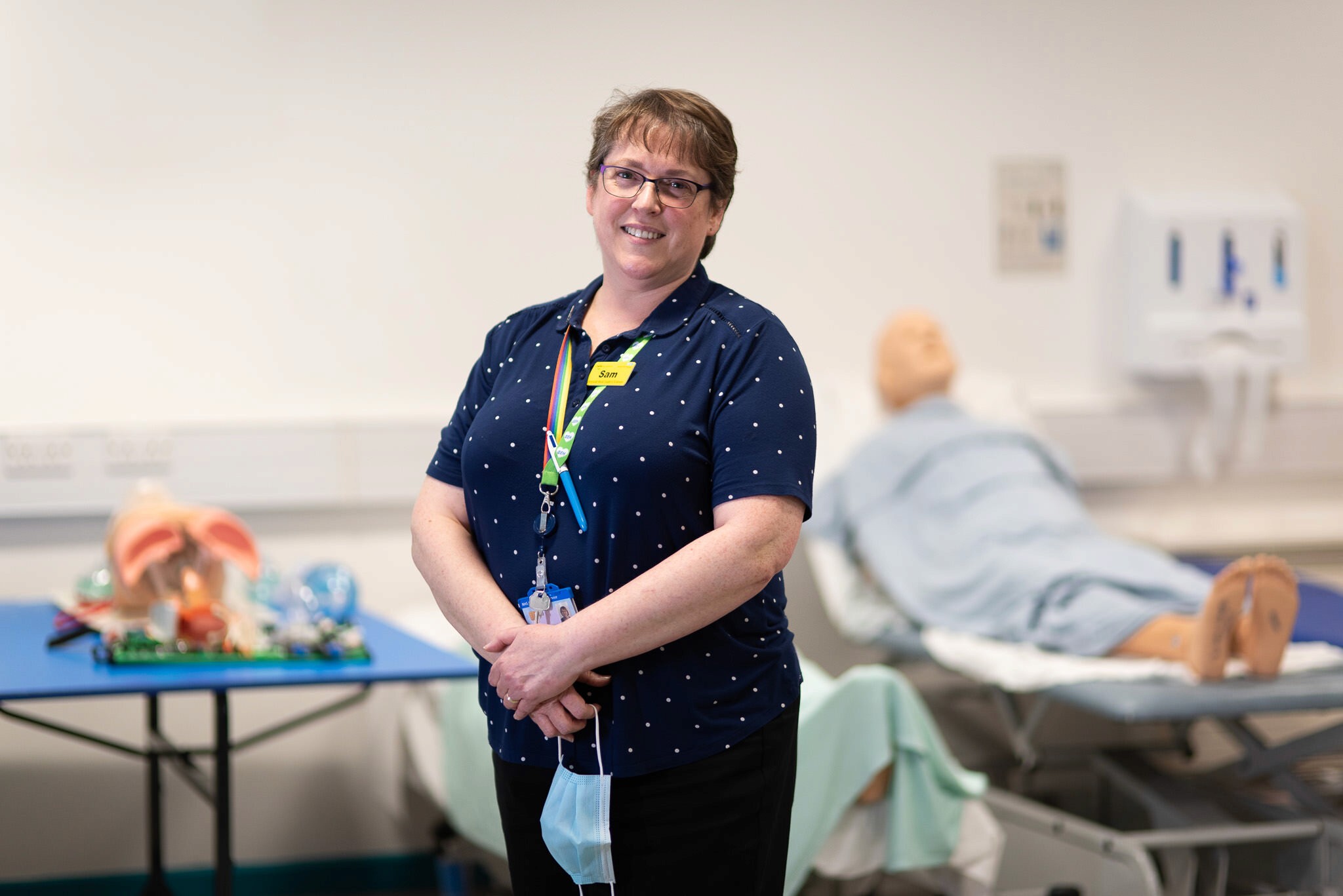
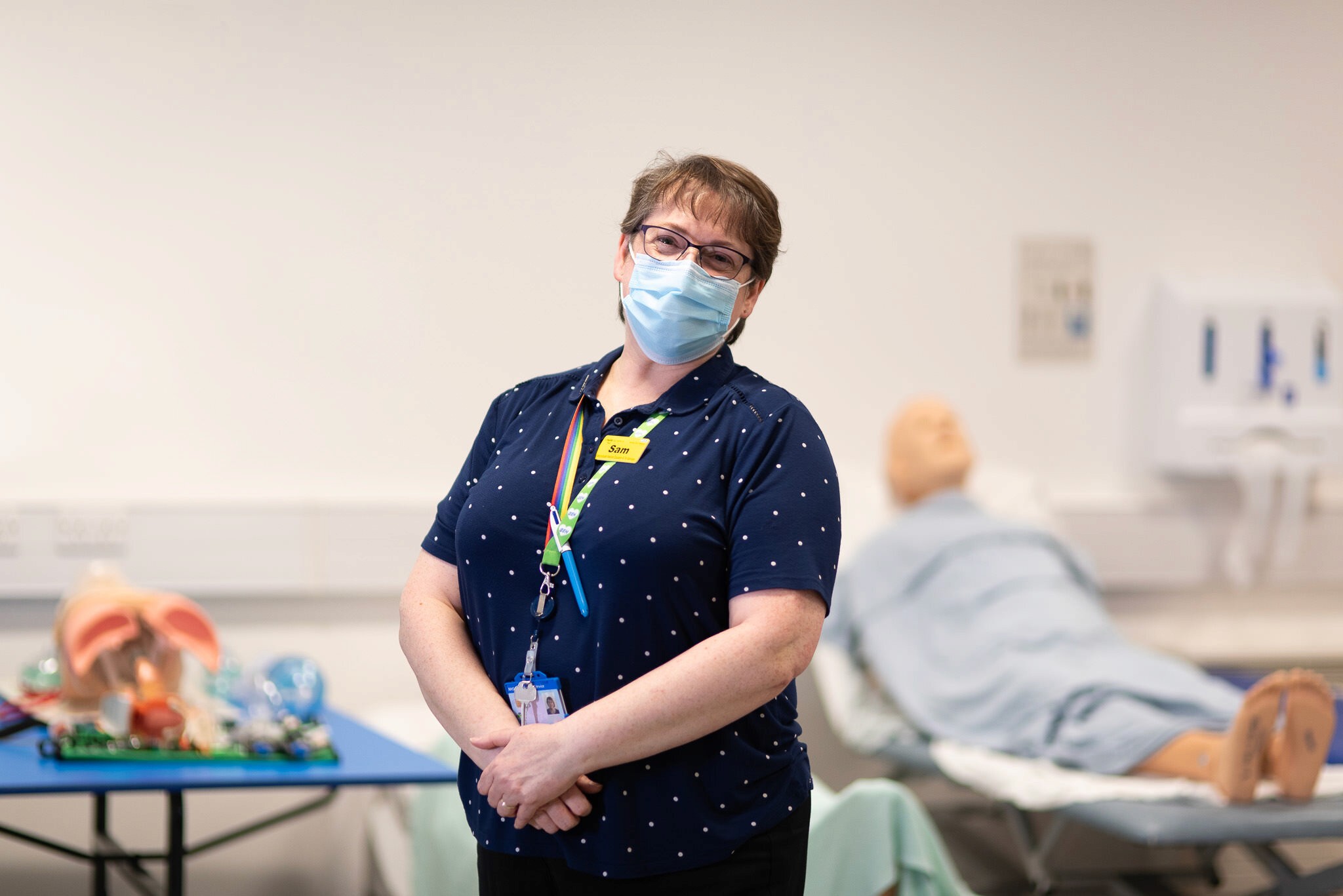
Sam - Undergraduate Medical Education & TEL Manager
Sam felt a “lack of control and uncertainty” as the pandemic disrupted her structured approach to developing teaching for medical and physician associate students. Once she accepted the rapidly changing situation, she “felt empowered to face whatever the next challenge was and channel creativity into remodelling our medical education programmes and supporting various trust projects.” She believes “I’m not special, I’m still fulfilling my role but it just looks different.” As half of the Technology Enhanced Learning Team, she supported staff to develop new learning methods including “interactive modules to replace face-to-face teaching.” Her team “worked tirelessly [to bring withdrawn students] back as part of the workforce initiative, providing them with academic, clinical and pastoral support.” She hopes the encouragement to innovate in medical education continues, while ensuring less digitally-literate users aren’t left behind through feedback from volunteer patients. She also hopes the reconsideration of minor problems that led to lower A&E numbers during the summer will continue, especially as we approach the pressures of winter.
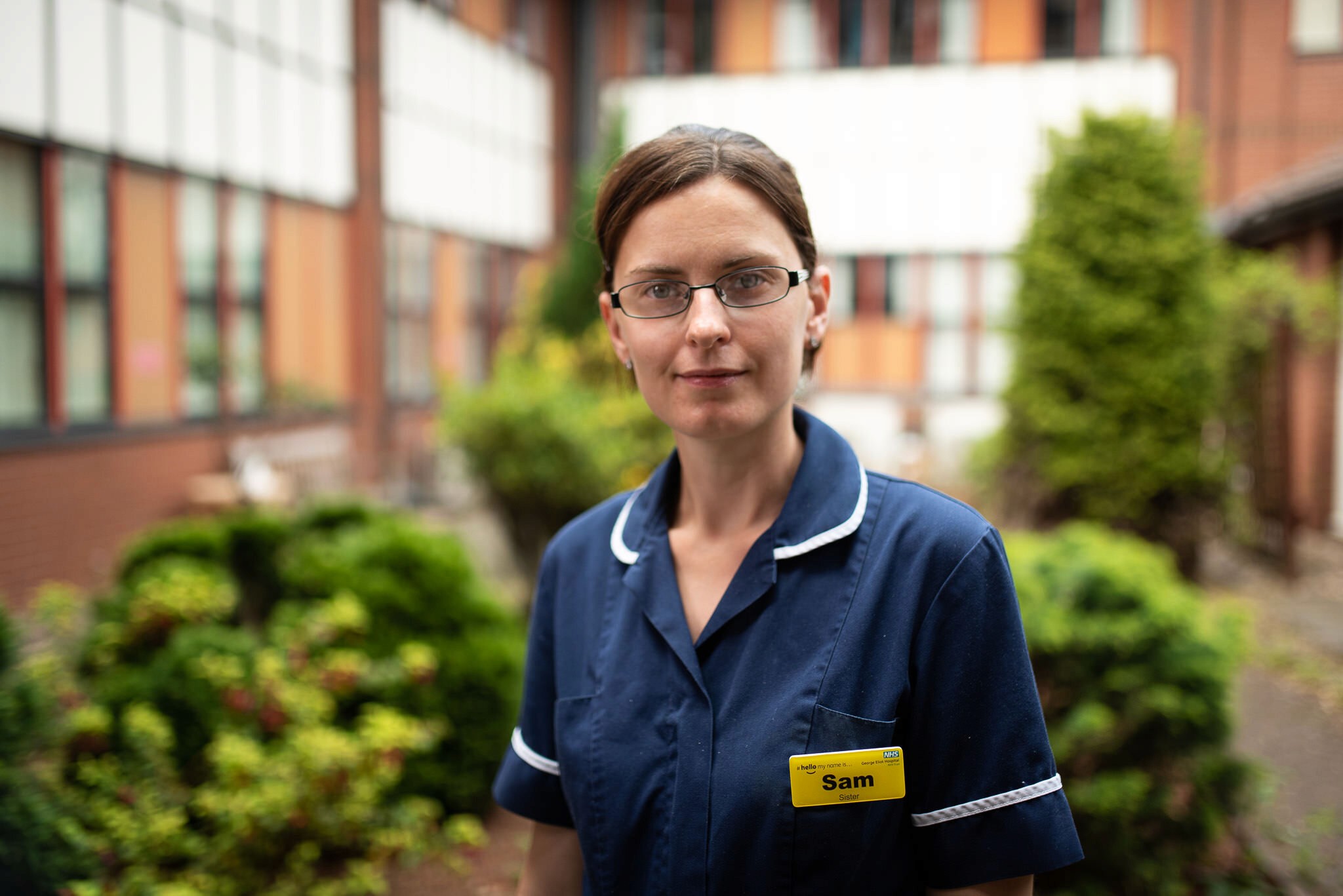
Sam - Cardiology Nurse
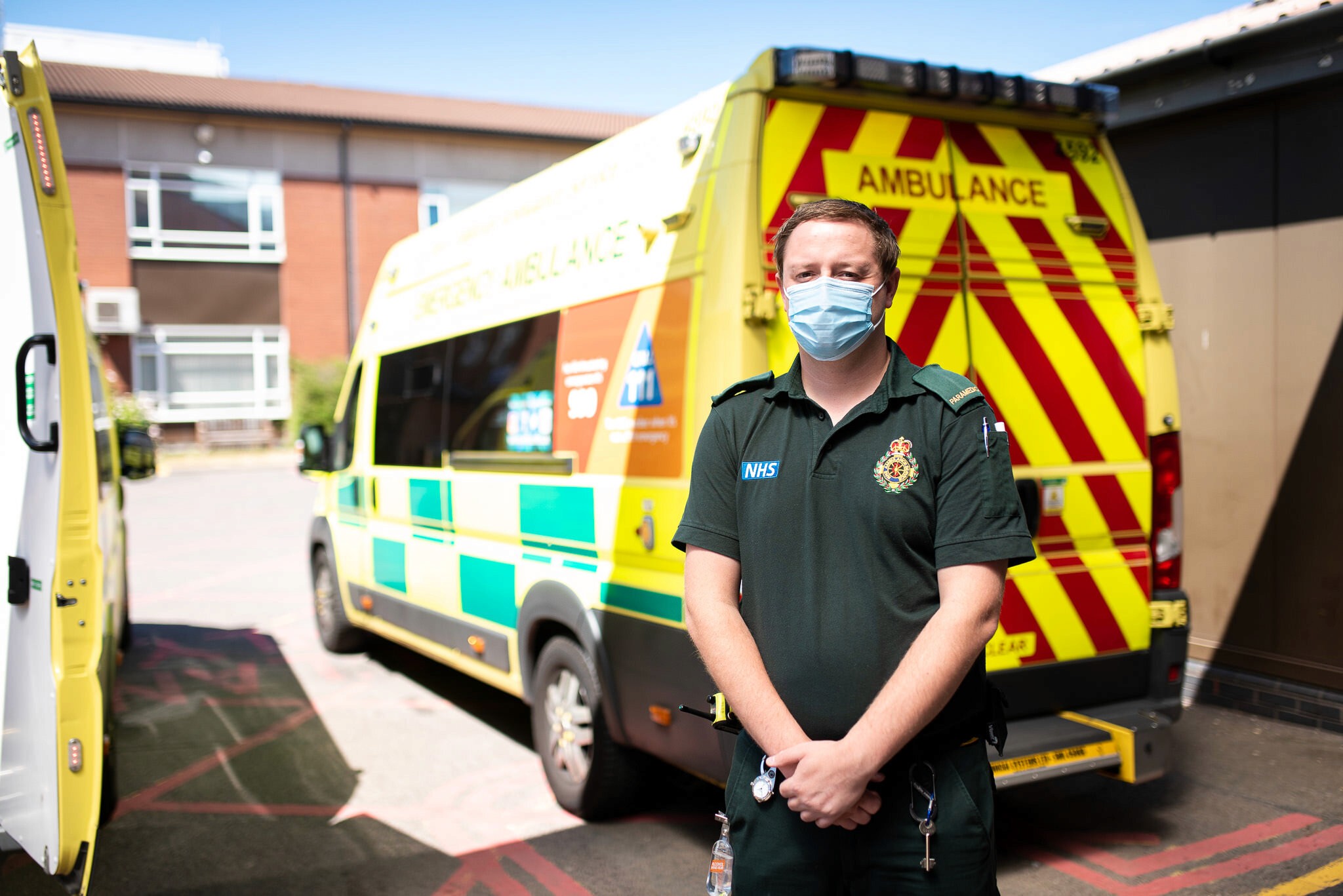
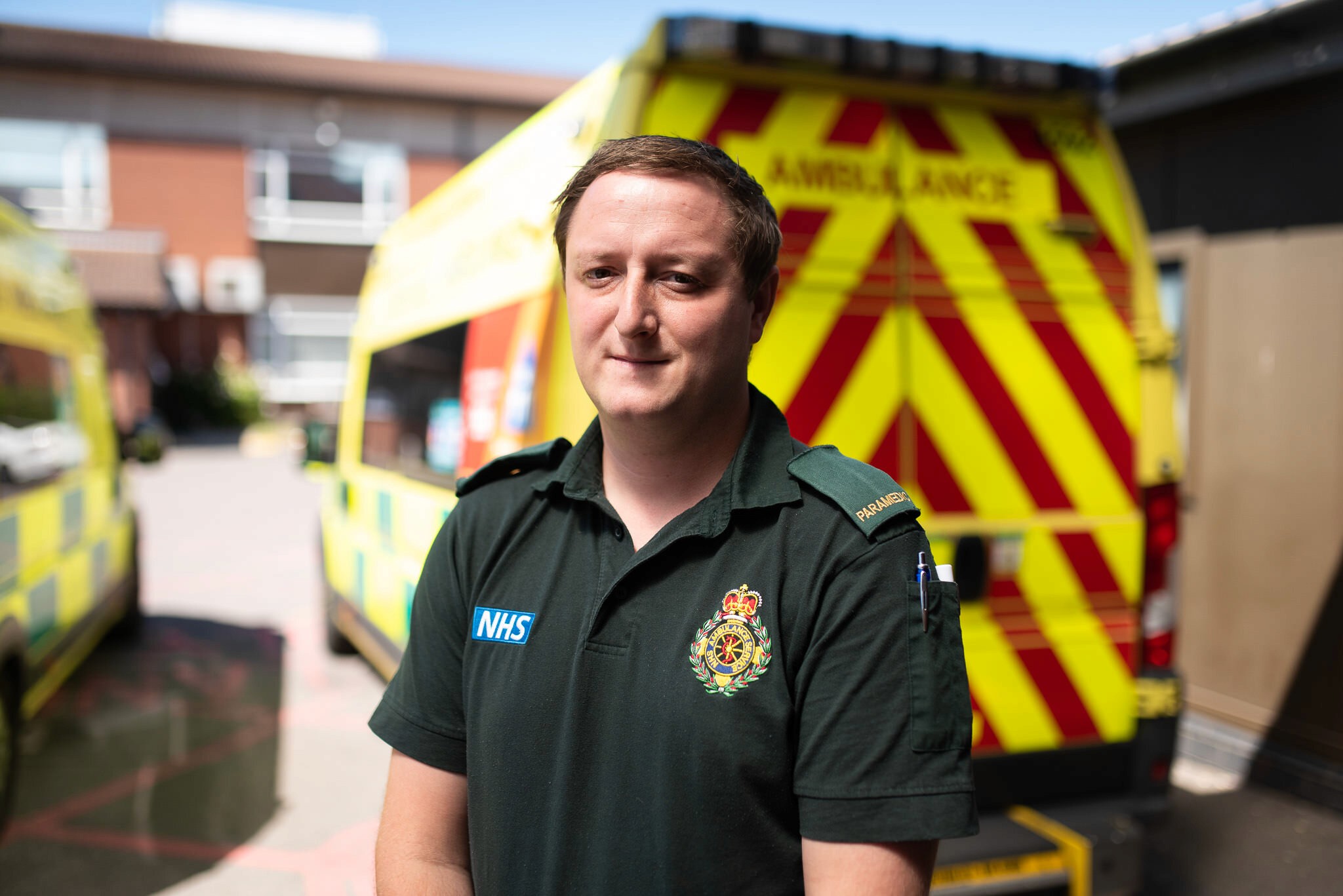
Scott - Paramedic
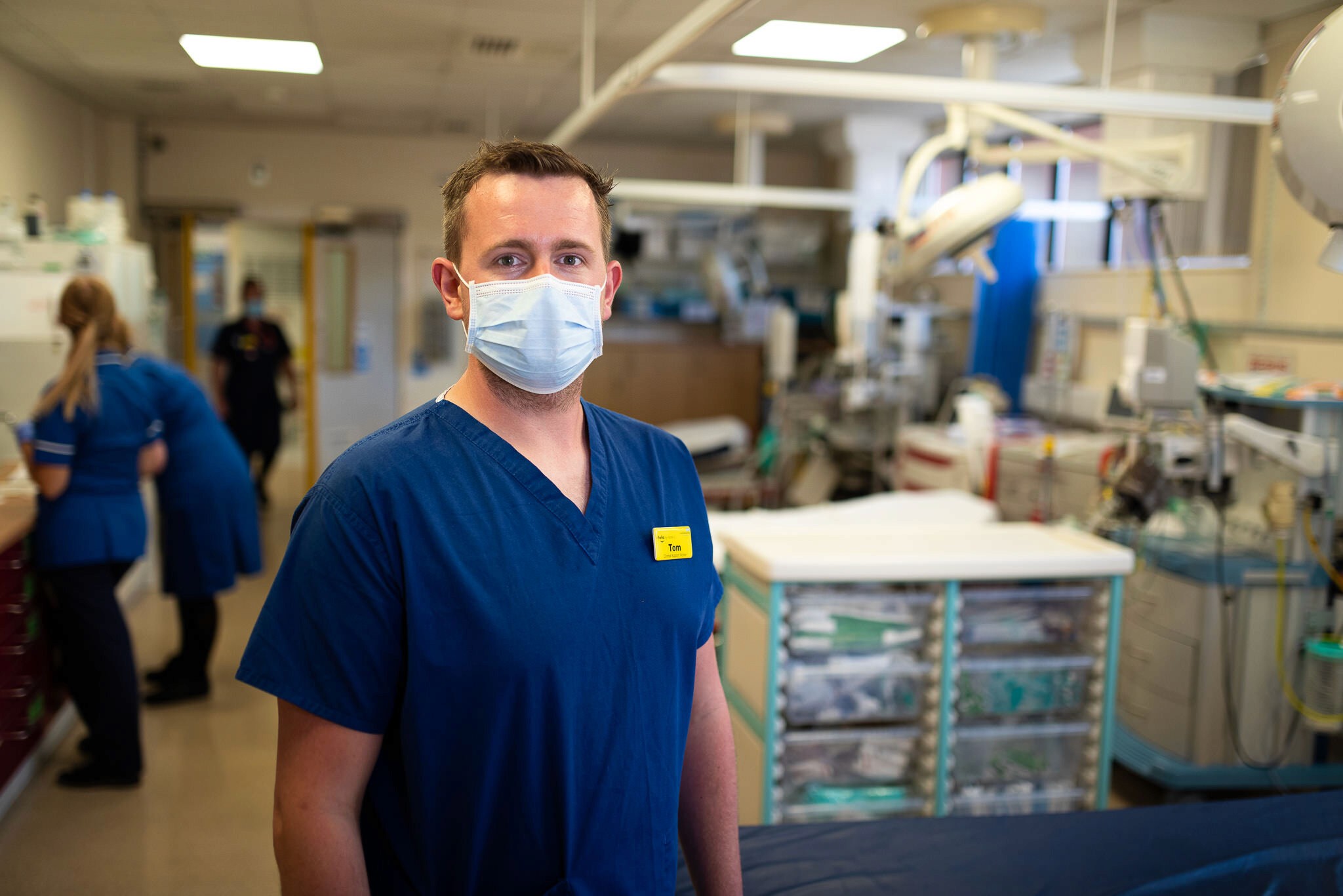
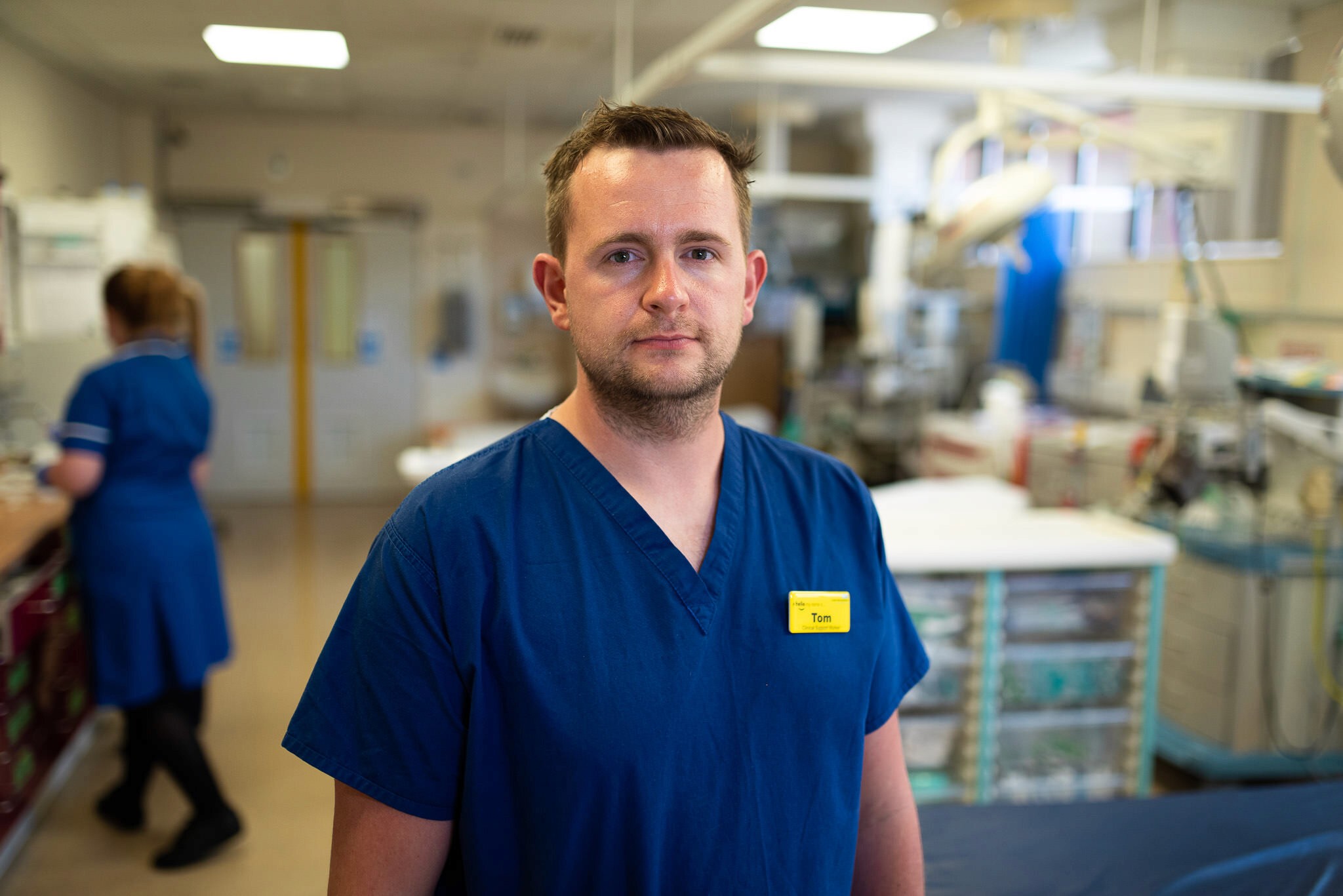
Tom - Medical Student - Second Year
Tom has “definitely felt better.” As a healthcare assistant, which helps fund his medical studies, his role has “become more diverse, with more senior staff relying on [newly honed] clinical and personal skills to support patients more holistically.” A&E staff are “not just trying to work out what [patients] are coming in with, but also trying to work out if they’re safe to be there.” He feels “NHS staff have been heralded as heroes and simultaneously treated with disdain” as weekly applause in solidarity contrasted with “government refusing to acknowledge the NHS funding gap.” He hopes the “altruism continues”.
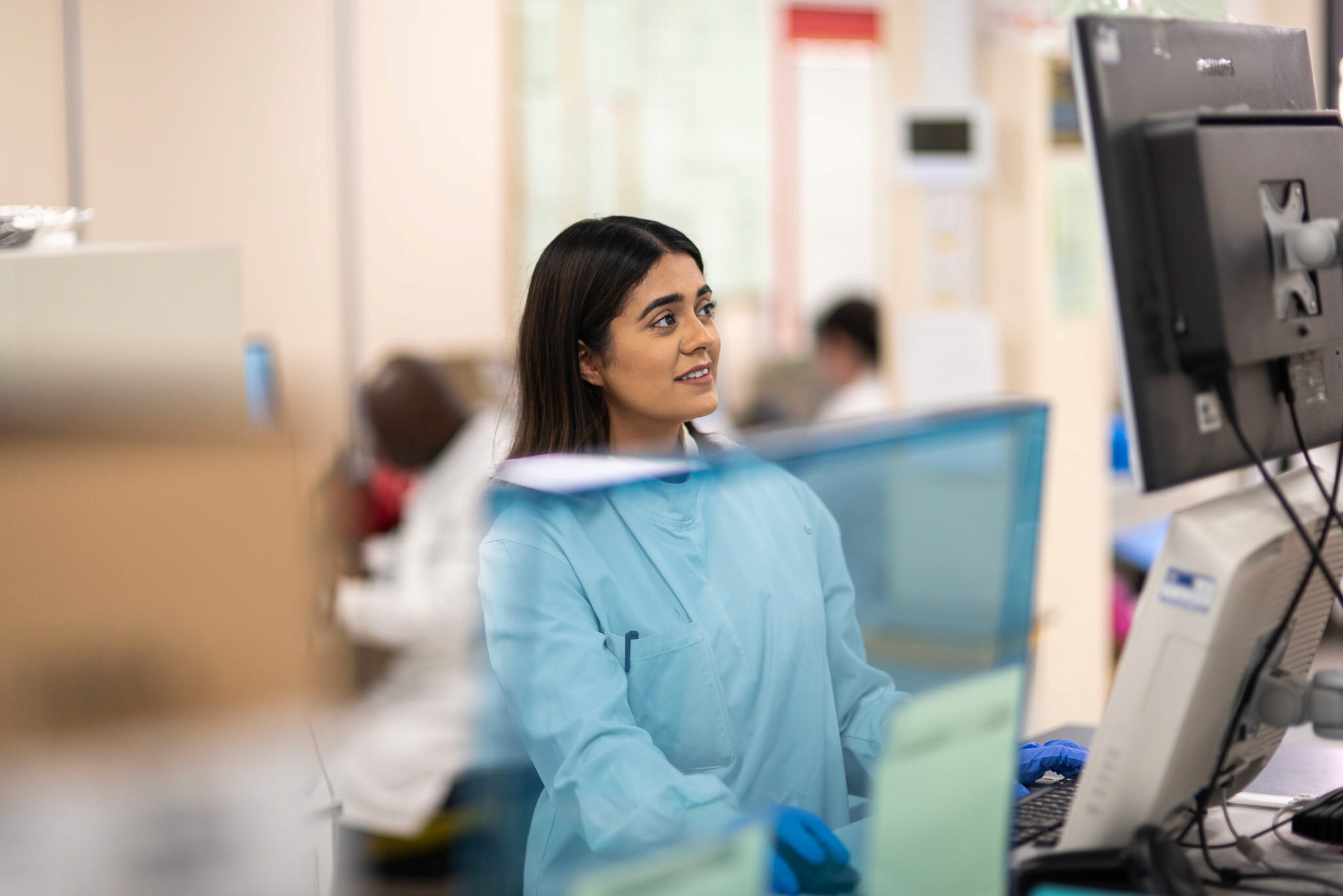
Vijay - Biochemistry & Immunology Quality Lead
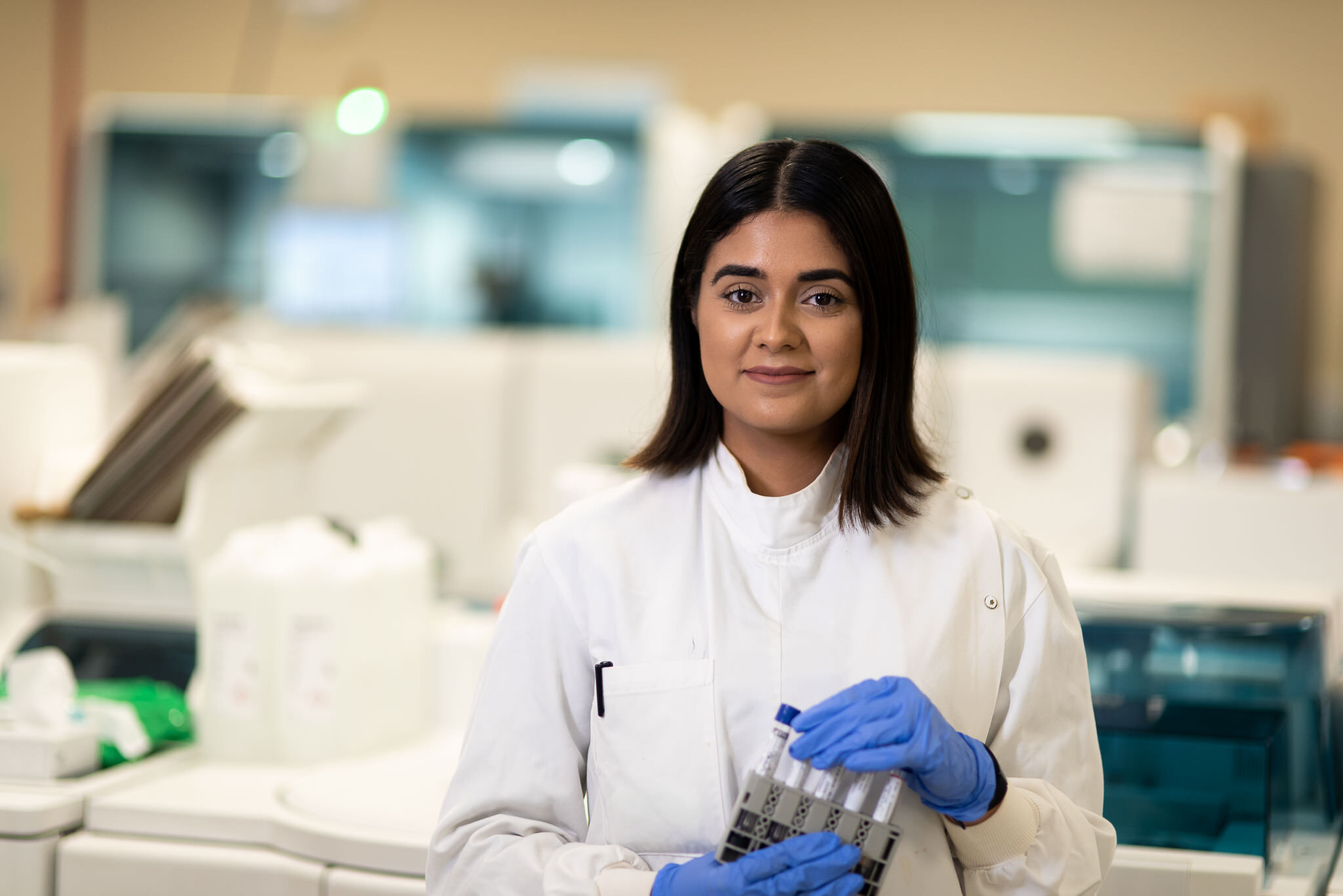
As the Biochemistry & Immunology Quality Lead, Vijay and her lab has rapidly adapted and implemented new testing capabilities. Despite increased workload and staffing pressures, she feels it has been “a really exciting time for laboratory services and pathology” as there is greater recognition for the role they play in diagnostics and patient care. “Staff have really worked hard to keep the service going and keep the patient at the heart of everything we do.”
Adam - Funeral Operative & Embalmer
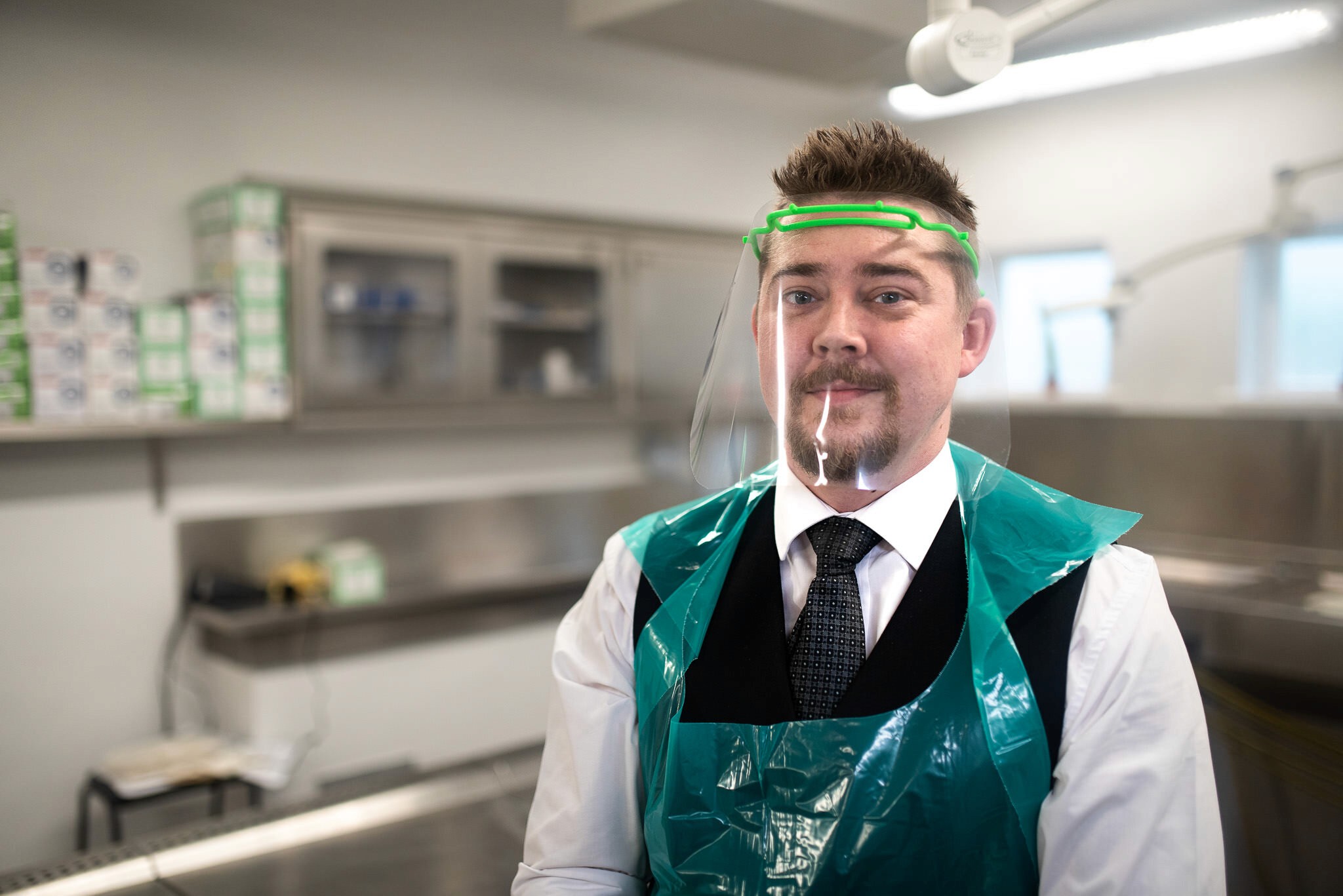
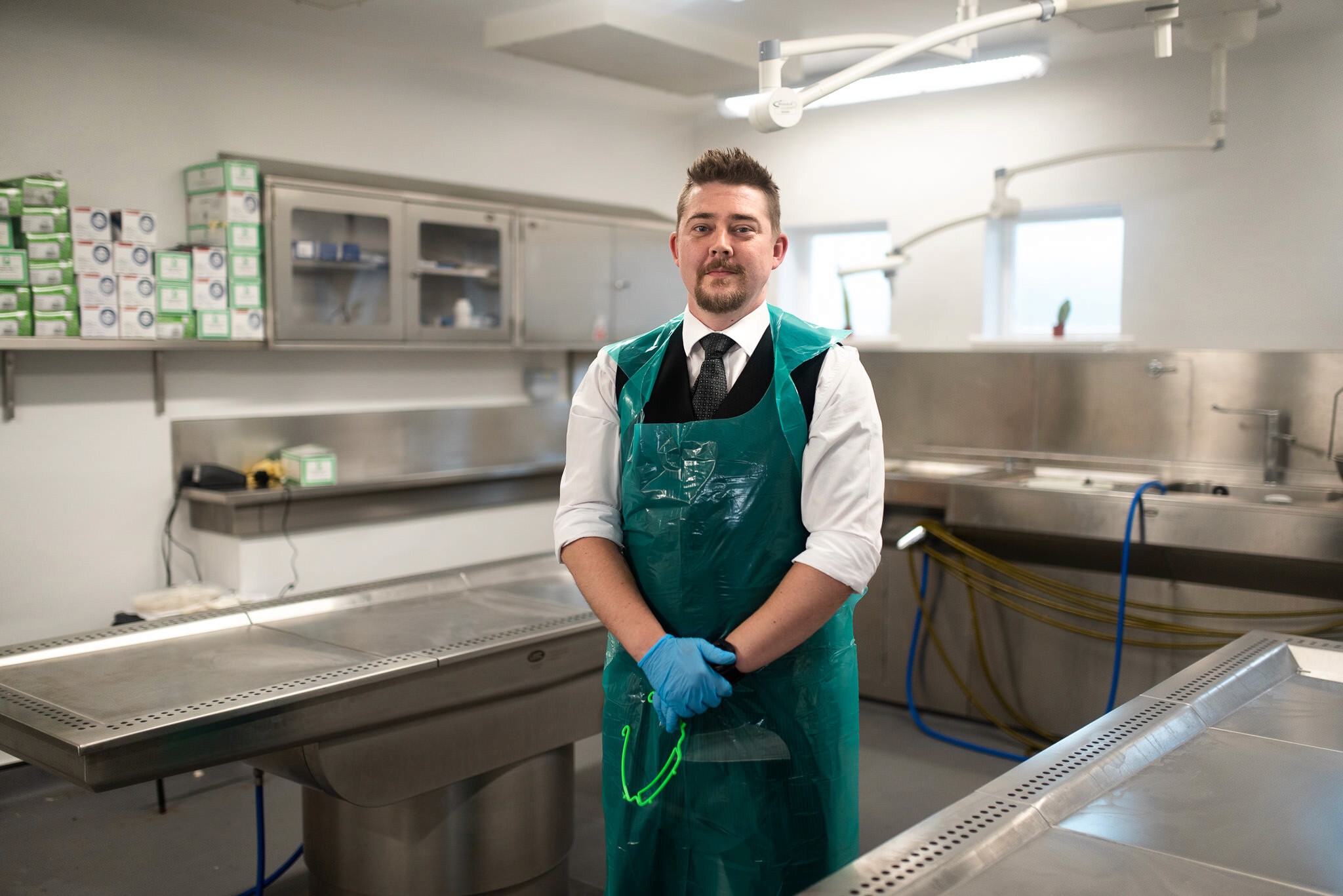
Adam felt cautious during the pandemic, and believes uncertainty about COVID’s part in some patients’ lives has impacted families’ chances for a “proper goodbye”.
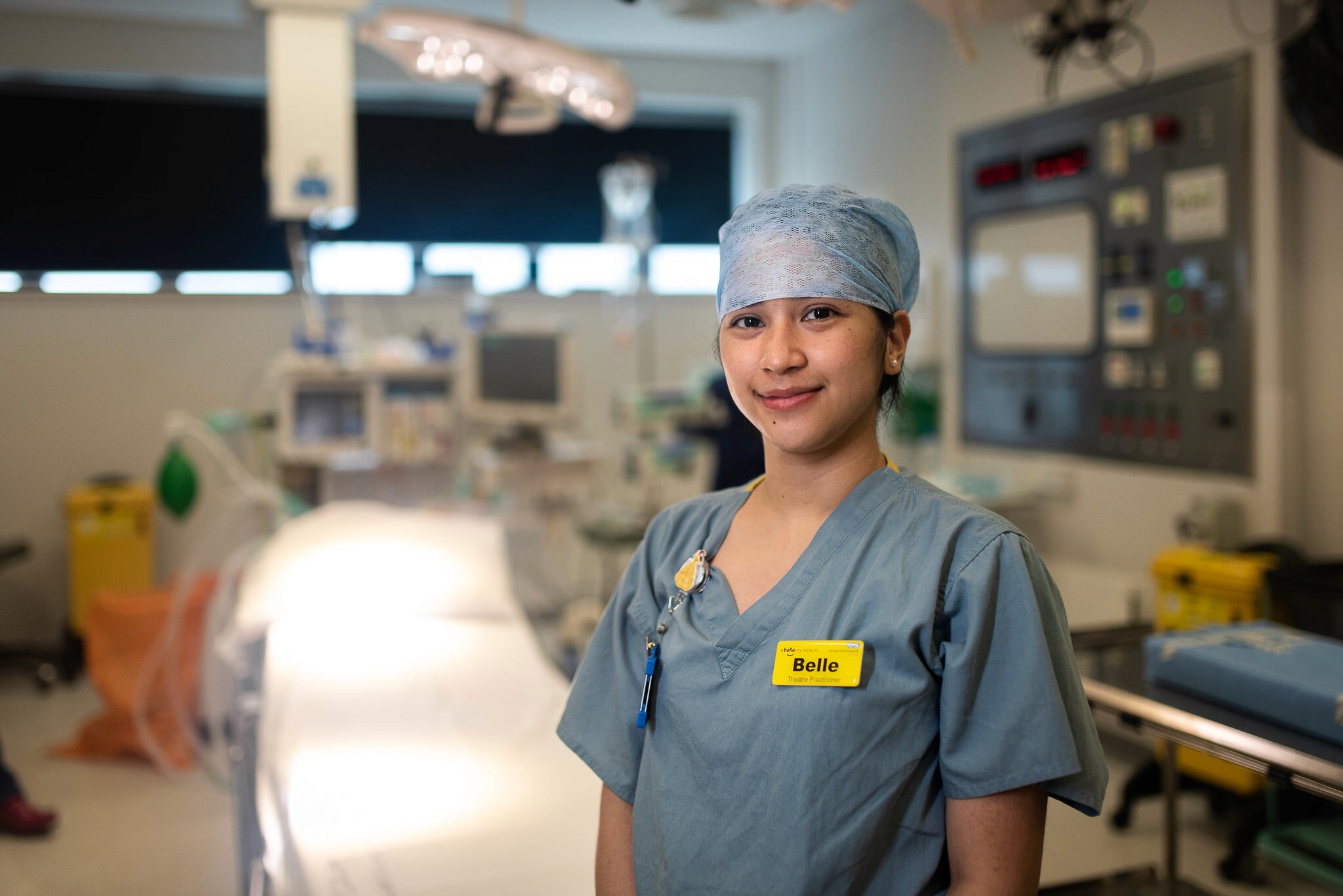
Belle - Theatre Nurse
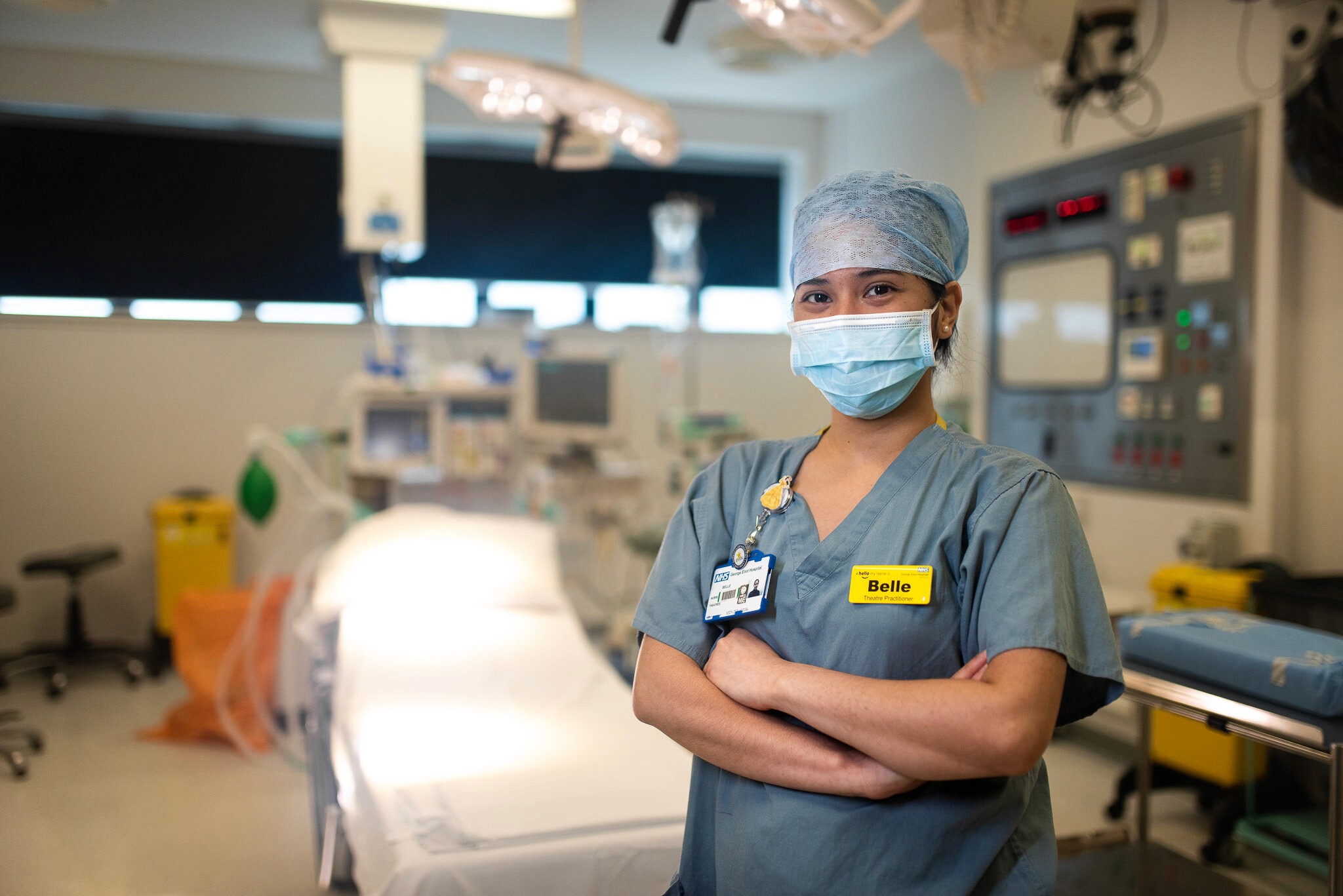
Cristy Belle “tried [her] best to help as much as [she] can” while feeling “anxious as a lot changed in [her] department to cope with the worsening situation.” As a theatre nurse, she felt “out of [her] comfort zone” helping patients in ITU, but her colleagues “helped her through [this] learning experience.” She believes “it has been a challenge for the NHS to manage and treat patients while keeping the public safe at the same time”. “Especially vulnerable” patients with chronic conditions have faced a “significant impact [as] most elective surgery and treatments were delayed/cancelled to protect [them] from acquiring the virus in hospital.” Despite the pandemic being “one of the most challenging times in [her] nursing career”, she hopes this “made people realise how strong the NHS is, and that it will always rise to the occasion, not matter what happens.”
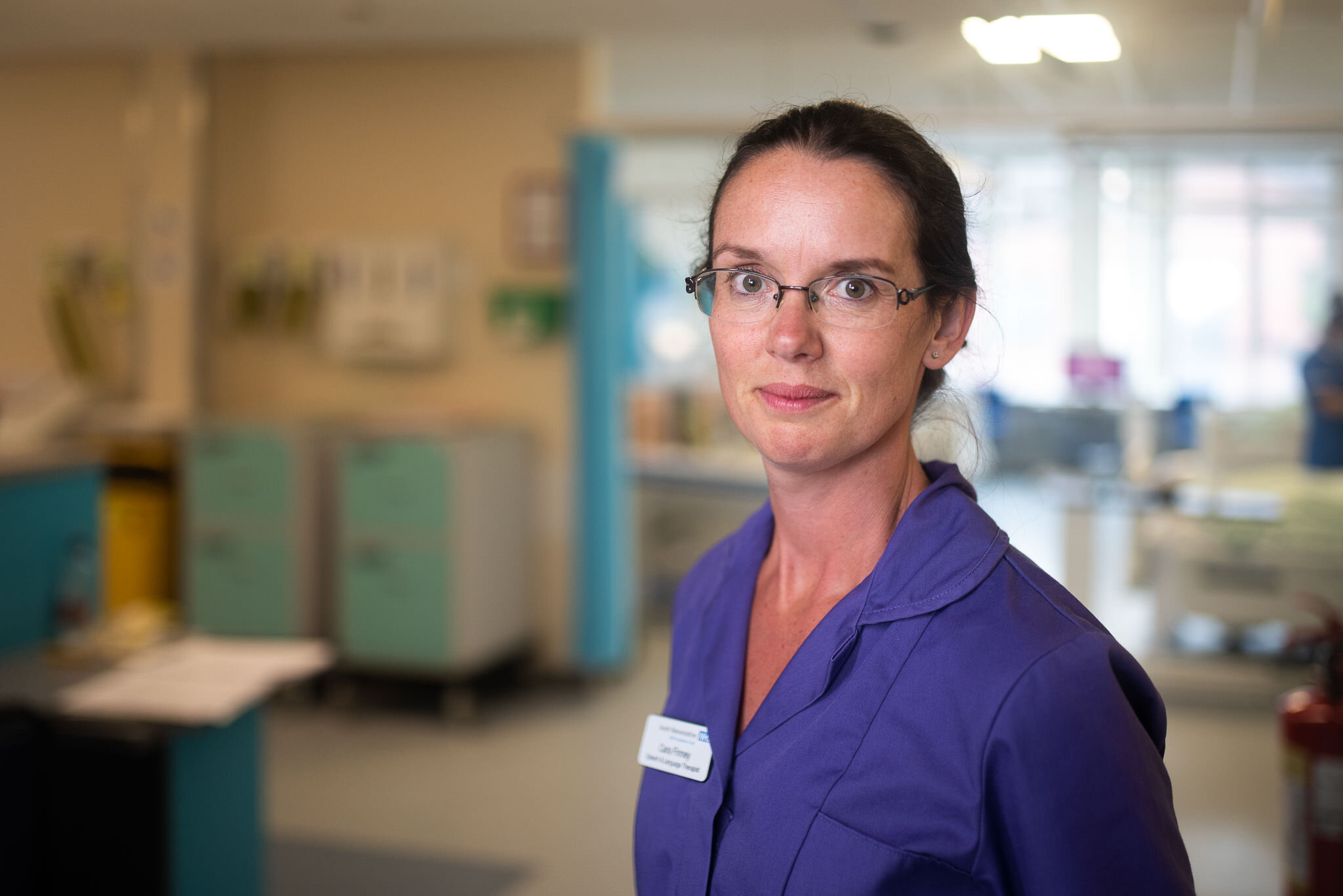
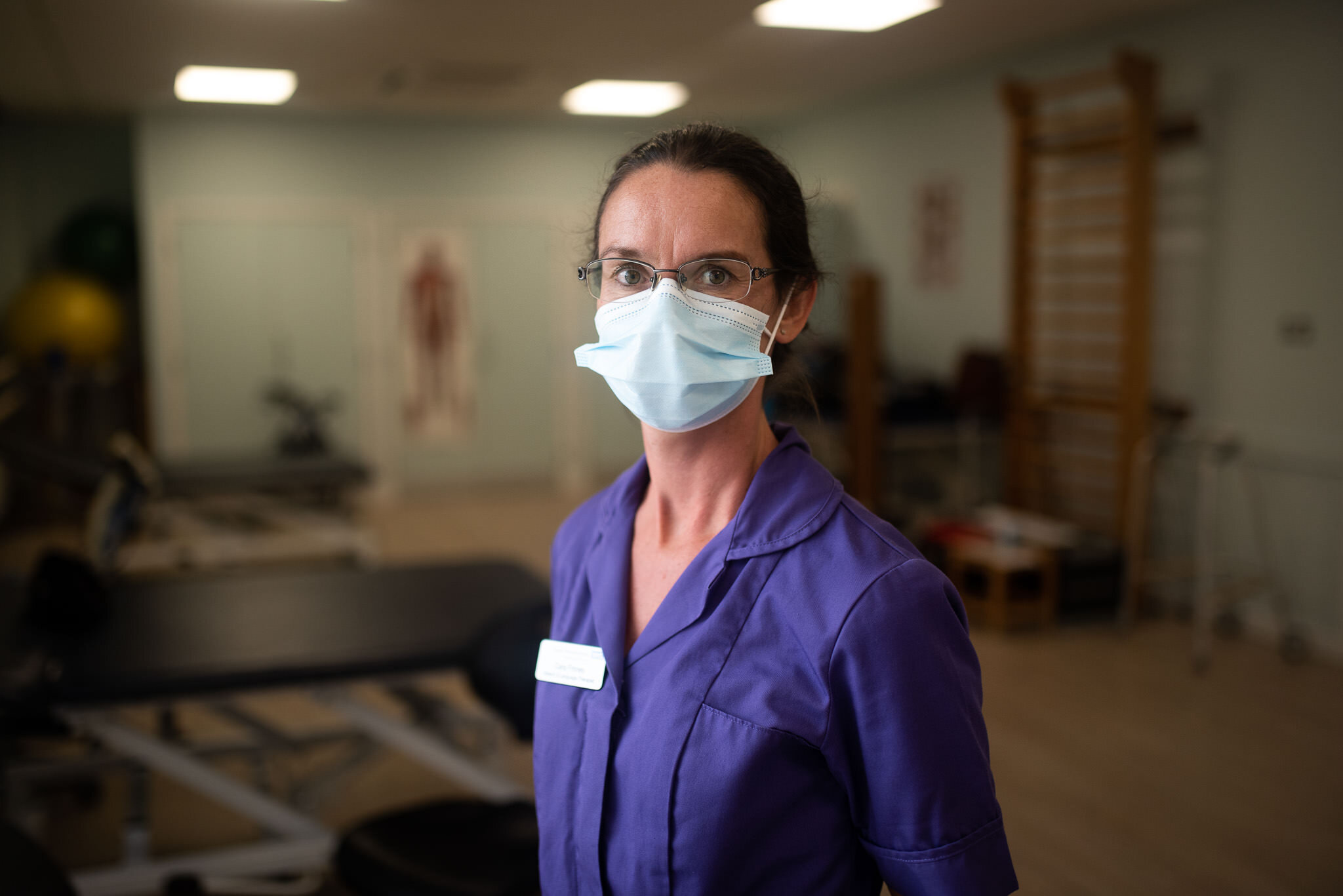
Cara - Speech and Language Therapist (SALT)
Cara felt apprehensive and anxious, followed by “camaraderie and solidarity with an almost energetic excitement”. She had to adapt to the challenge of communicating while wearing PPE “when many of our communication-impaired patients had previously relied on seeing our mouths and lips”.
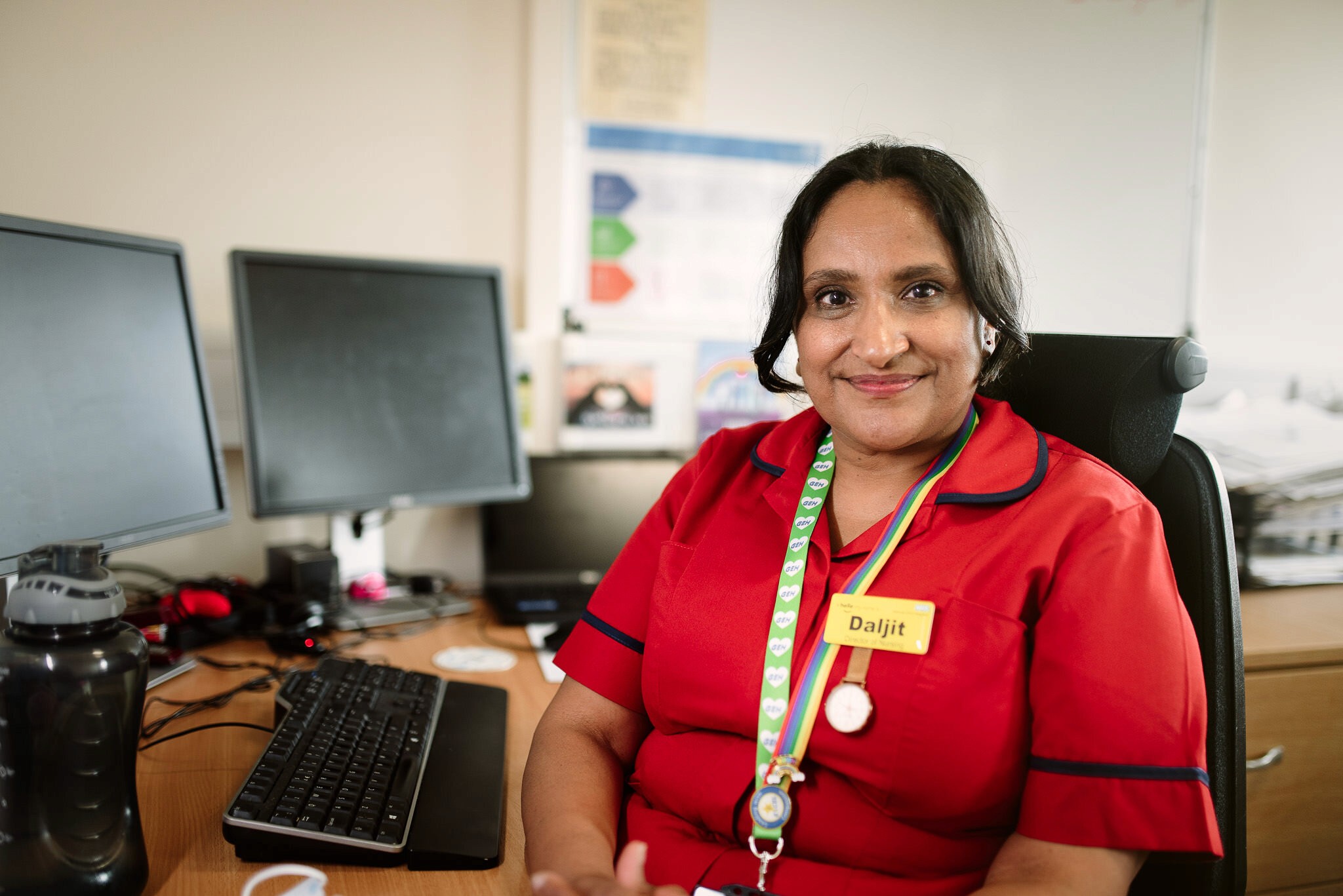
Daljit - Director of Nursing and Infection Prevention
Daljit has drawn on her years of experience to help her “make decisions in the context of great uncertainty” as the Director of Infection Prevention & Control. She believes “the pandemic has really tested the resilience of the capacity of the NHS. We have needed to think out of the box about how we use our resources and utilise our workforce. There have been some positive developments too which will change the way care is delivered. The use and impact of information technology is incredible.”

Gretta - COVID Emergency Dept. Healthcare Support Worker
Gretta had to adapt and learn new clinical skills as her healthcare support role switched from Ambulatory Care to the COVID Emergency Department. She feels the “great team of nurses has eased the transition”, but extra shifts were needed to ease the impact on the NHS.

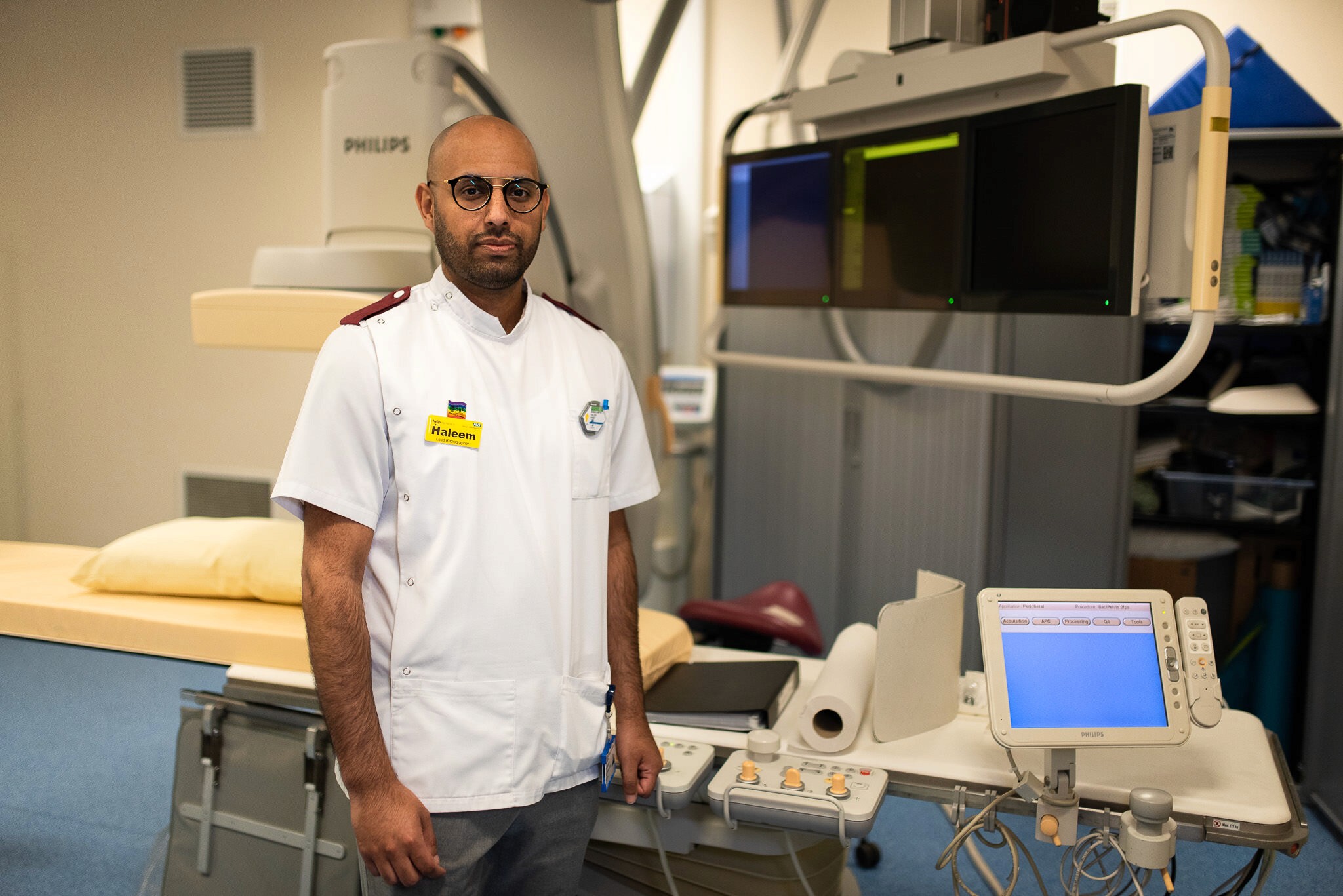
Haleem - Lead Radiographer - Interventional Radiology
Lead radiographer Haleem felt tired from “adapting everything in the way we work, with a massive backlog of patients”. He believes “the NHS was already under an incredible amount of stress mainly due to staffing, [and] was made worse by the pandemic. [However] we have all stuck together and got through the worst of it.” He hopes “the general public and politicians don’t forget us after 6 months.”
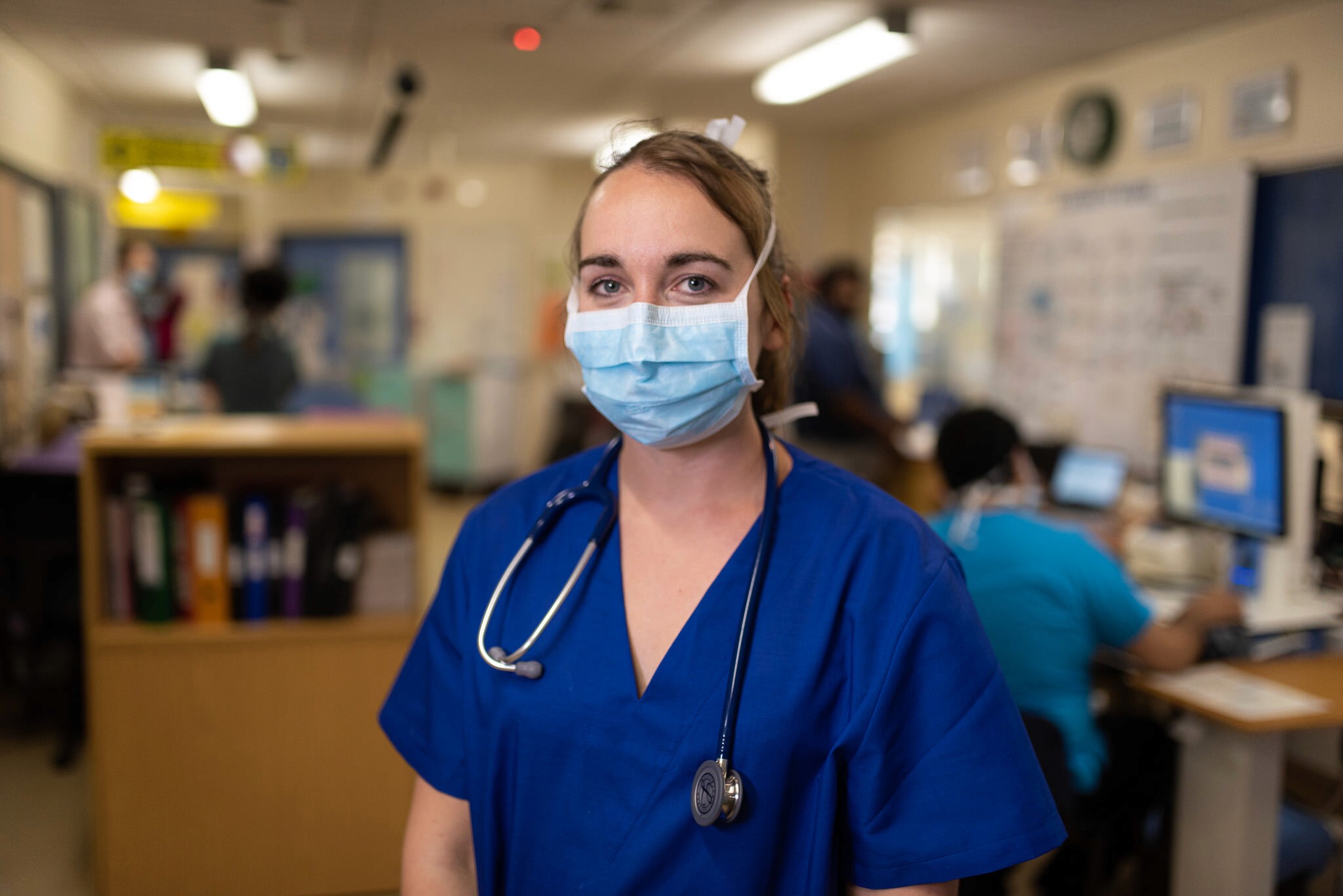
Jessica - FY1 Doctor - General Surgery
First-year doctor Jessica felt “apprehensive and nervous” about going to work and PPE. She was moved from her surgery role to an “incredibly tiring antisocial [emergency COVID] rota to provide adequate staffing should there be a peak. However once it came, we were well staffed, supported and [she] felt proud how felixibly everybody worked.” Since then, she is concerned that the staff feel tired and “are going to be forgotten about after this”. She thought “it was nice to have A&E only filled with patients who needed to be there”, and hopes salaries will be raised in recognition “for the hours we do.”
Karen - Midwife

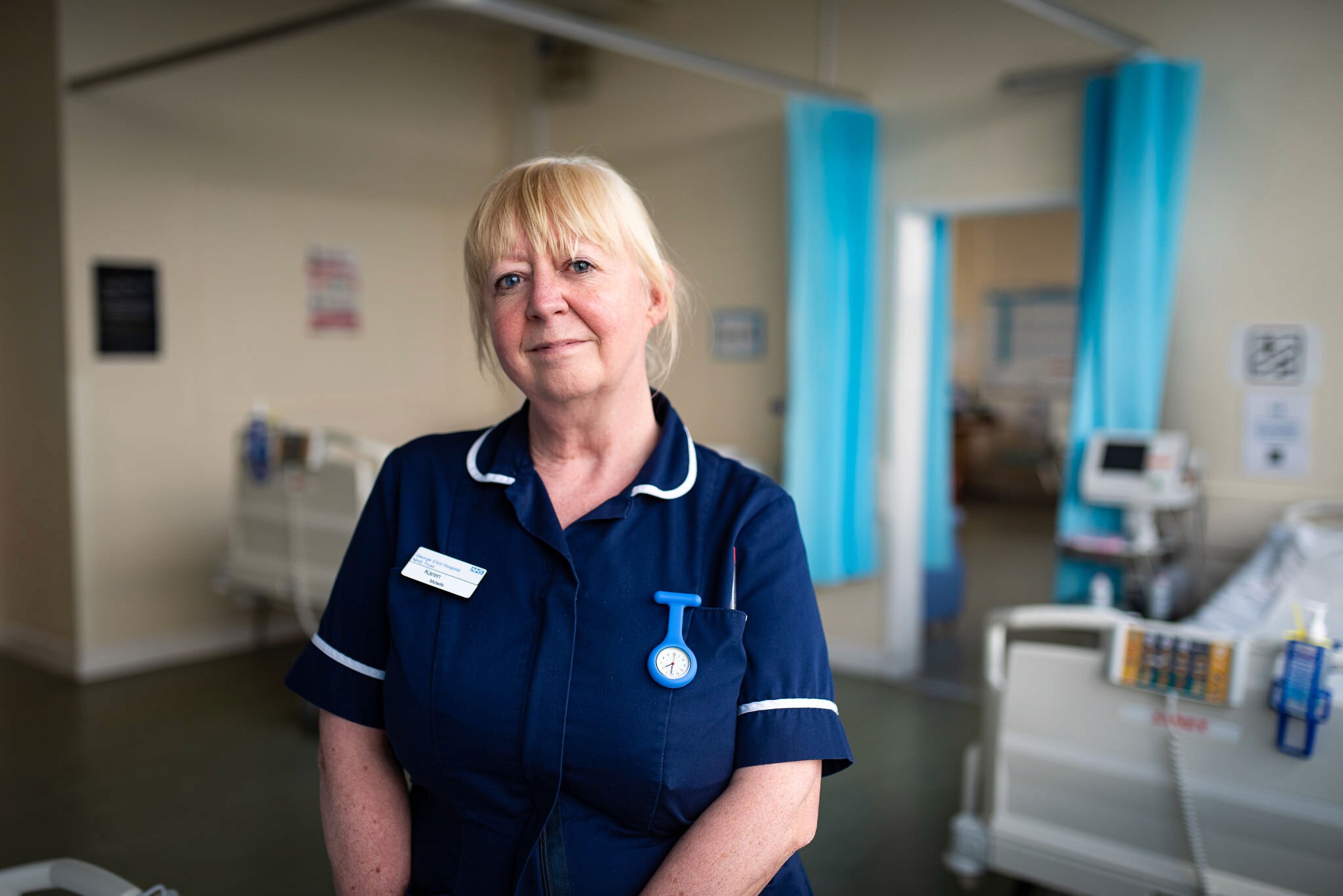
Kate - Medical Student - Third Year
Keen to help out when she was sent home from medical school placement, Kate describes working alongside the hard-working nursing staff as a “privilege” and “amazing experience.” She says it’s “been hard on the staff. Everyone seemed to be doing well, but I think there have been effects of seeing so many people ill and dying. It was tough to see patients having such a difficult time, especially without being able to see their families. But there were a few beautiful moments, like facetiming someone’s grandchildren and seeing them smile.”
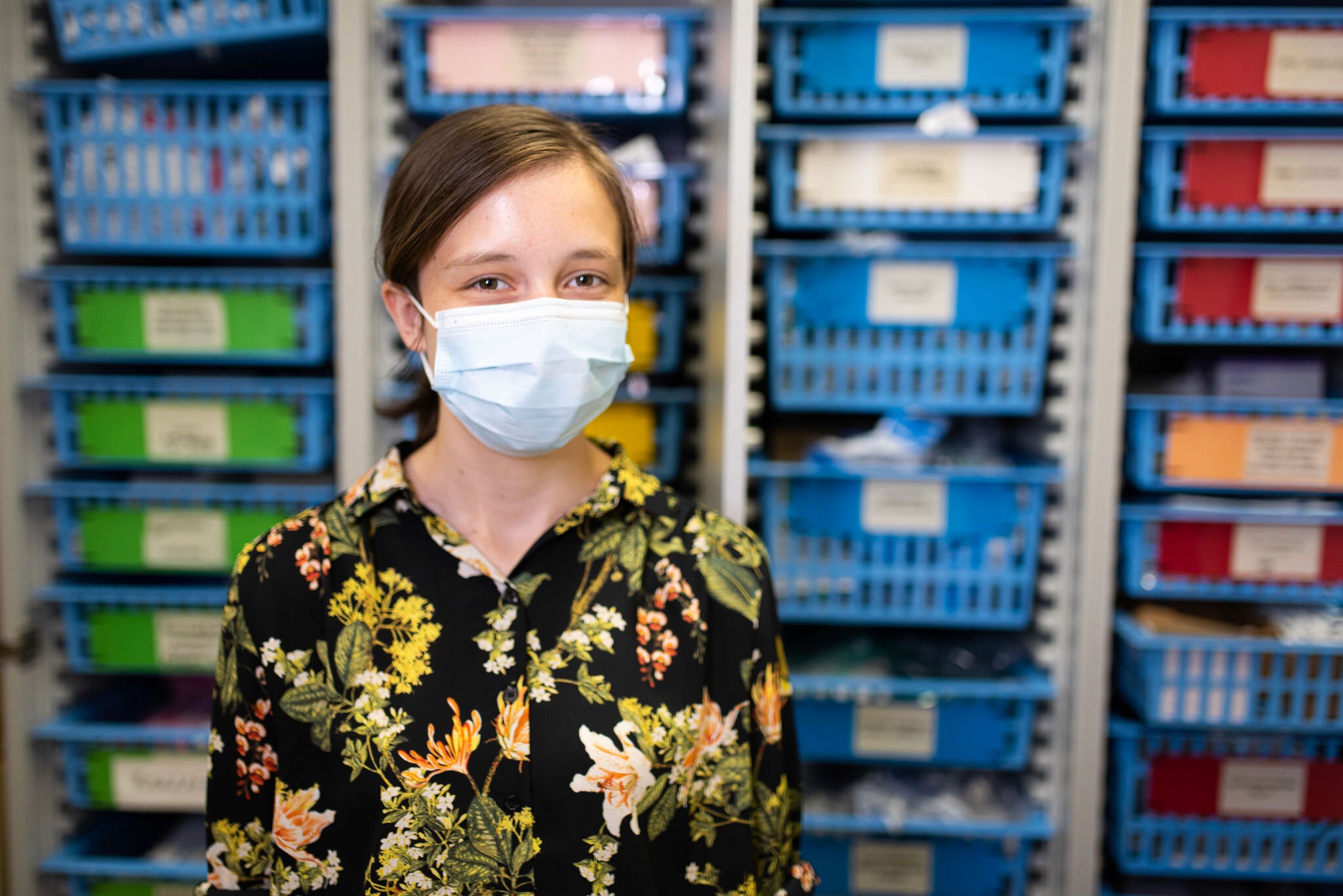

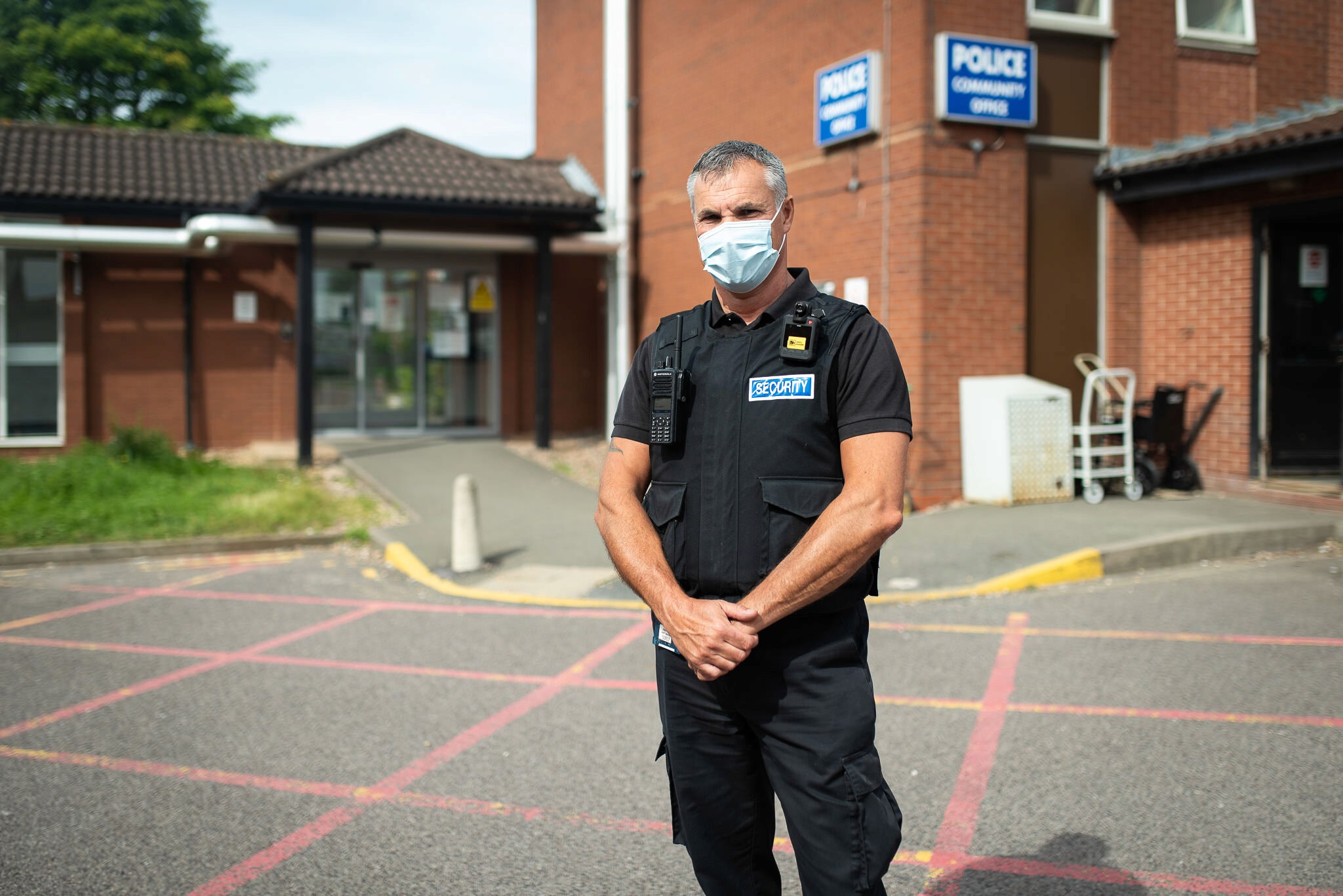
Keith - Security

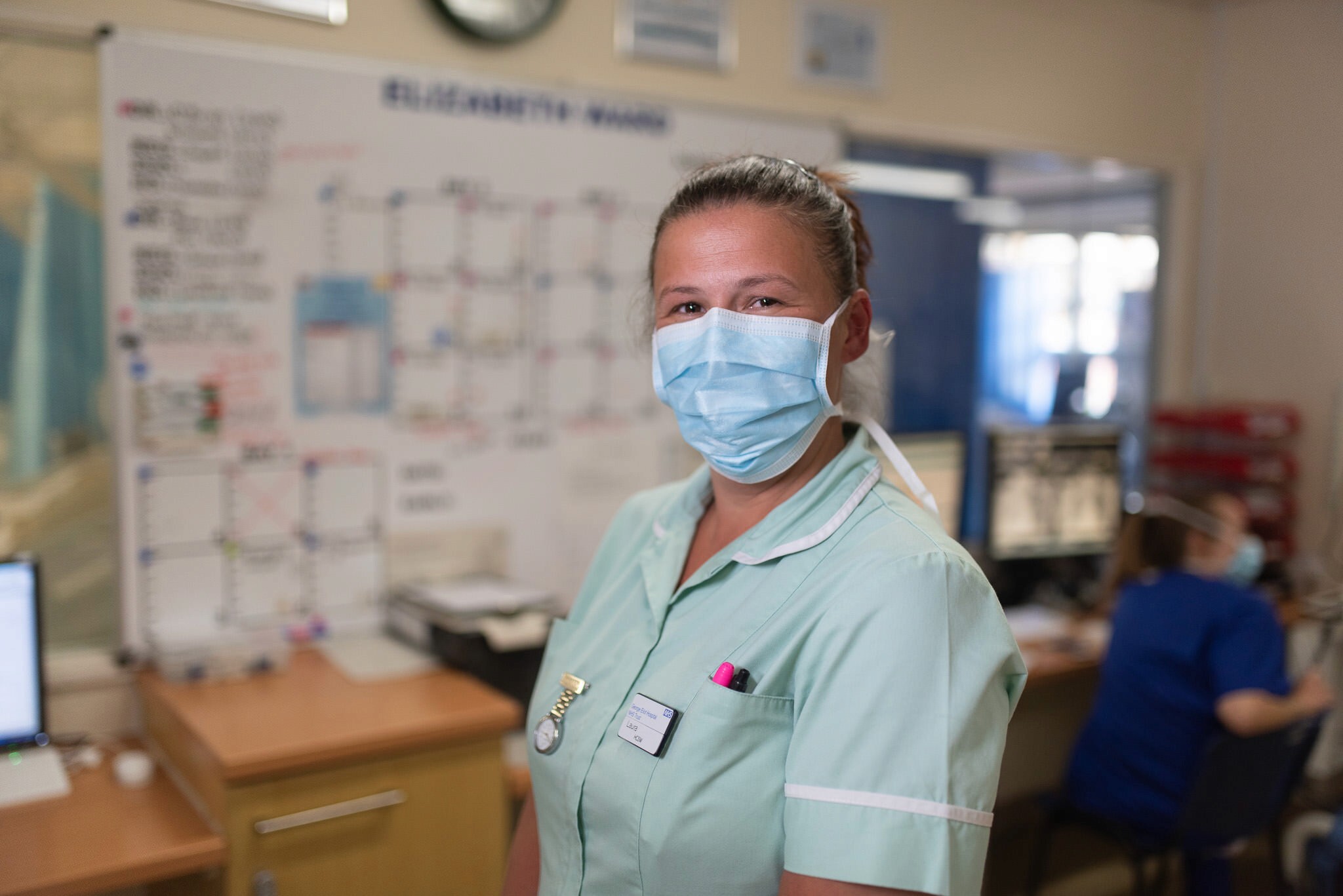
Laura - Respiratory Ward Healthcare Support Worker
Working on the respiratory ward, Laura felt “scared for myself and my children” during the pandemic. She feels the NHS has been affected “tremendously, [with] new ways of working, procedures cancelled, wards changed around, staff sickness/isolation/shielding etc.,” but hopes the reduced time to discharge patients back home and arranging care packages will continue.
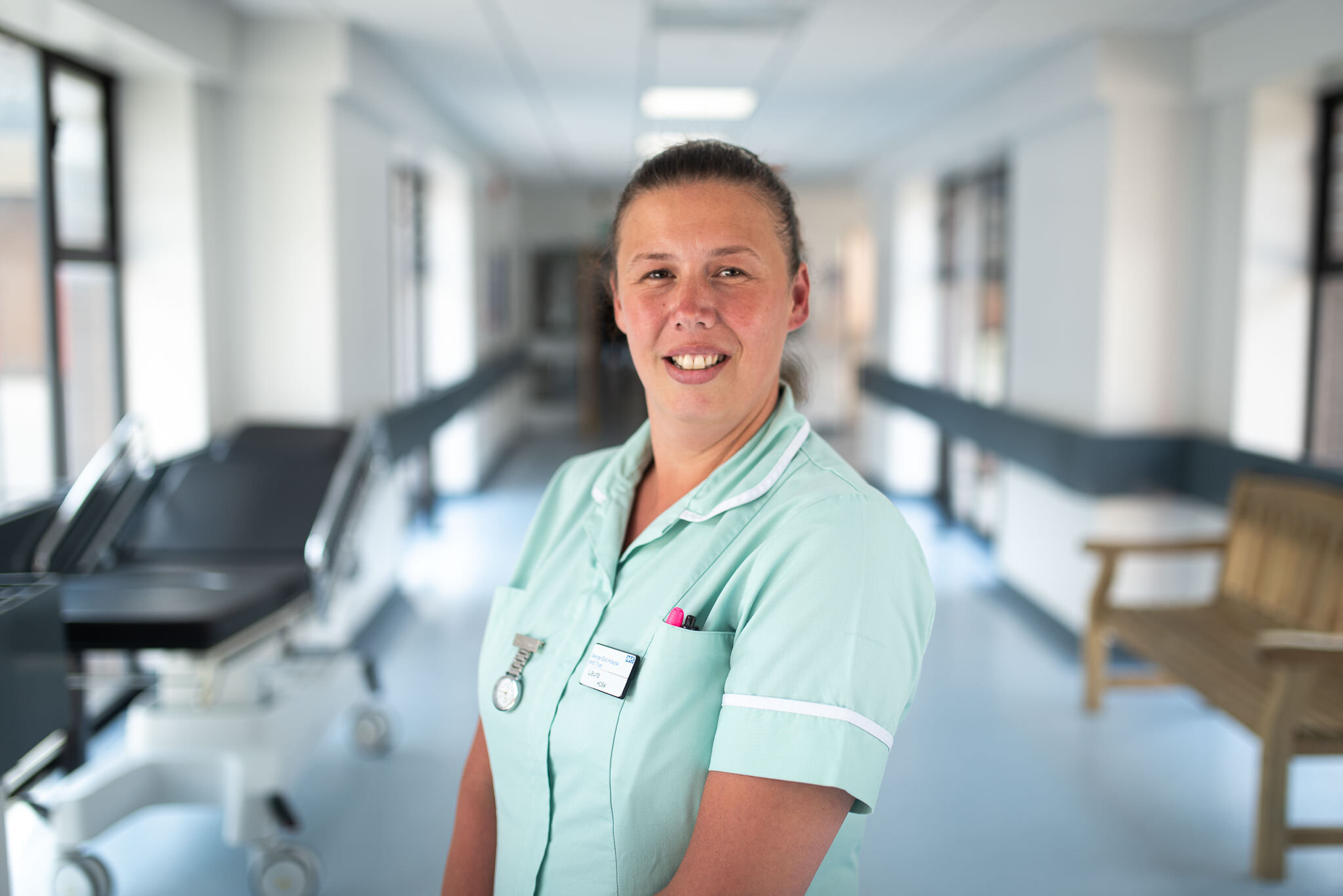
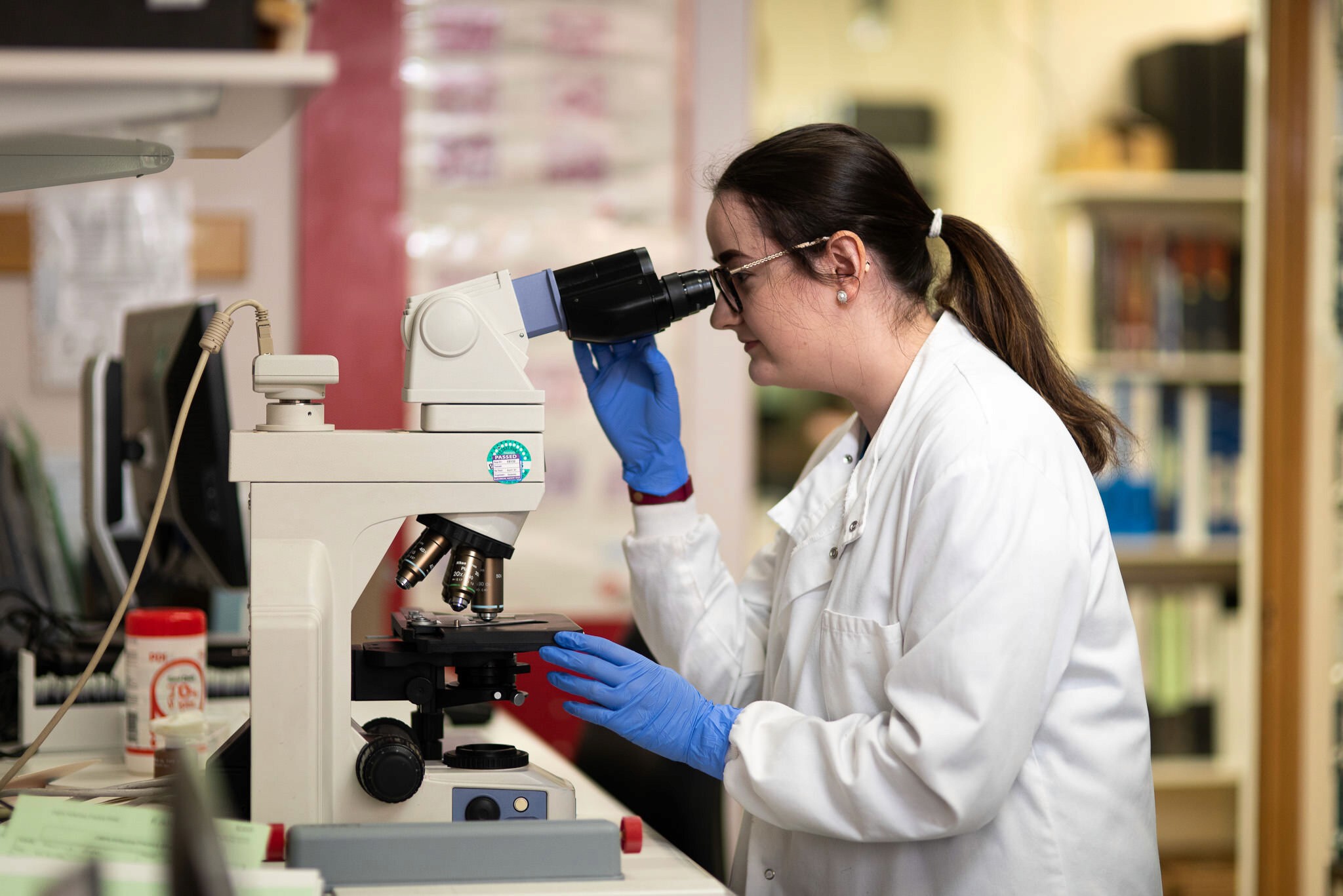
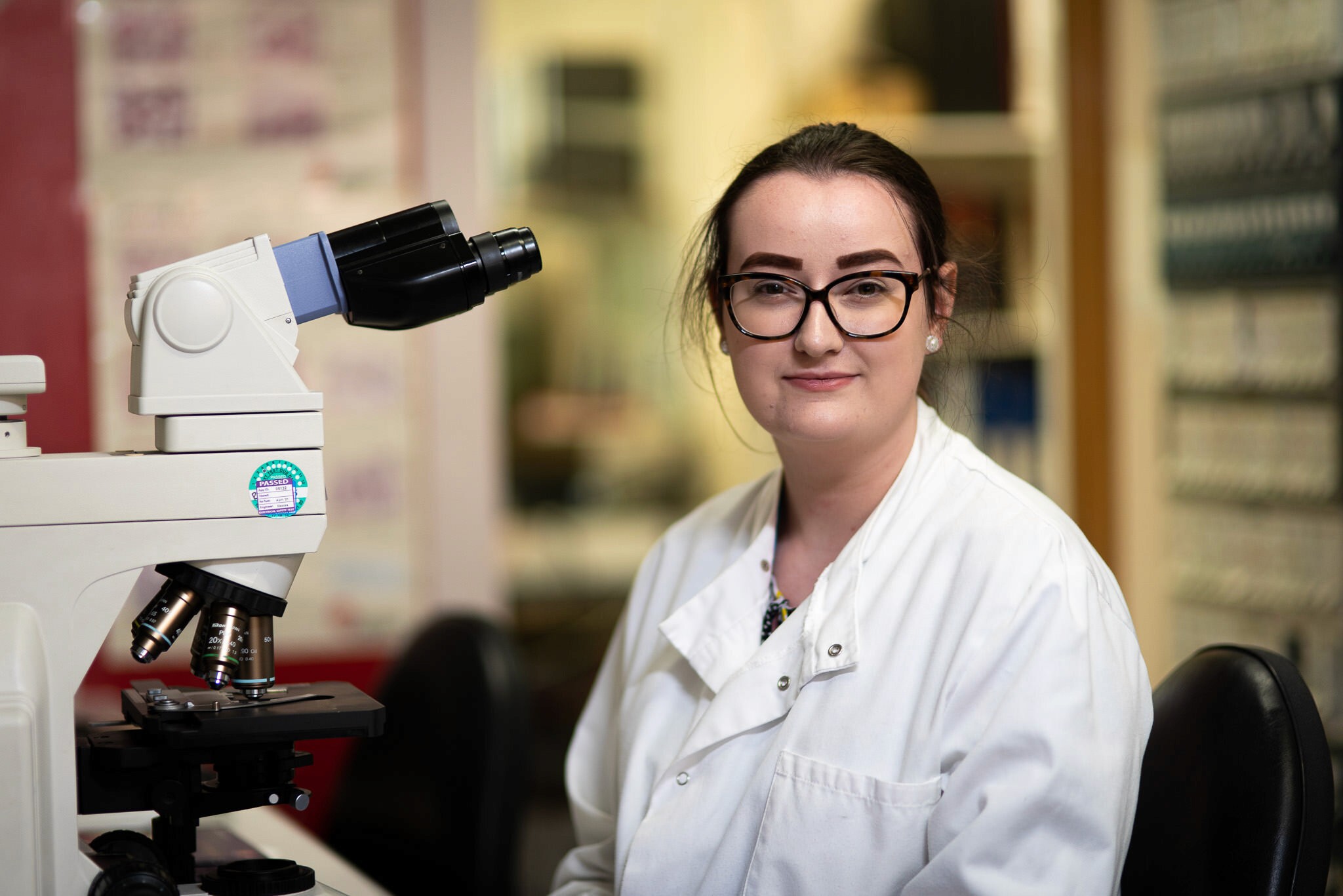
Lavinia - Biomedical Assistant
Lavinia felt a little lost as she “found myself worrying for those I care about” but “optimistic that no matter the difficulty of the situation, we have come together and worked hard to help others during the crisis.” As a biomedical scientist new to the hospital, she “had to adapt very quickly the processes in place while learning the new regulations. It was exciting to learn so much, but also difficult as things were constantly changing because we didn’t know much about the virus.” She feels “the NHS was hit hard with the crisis” but the “response has been incredible.”
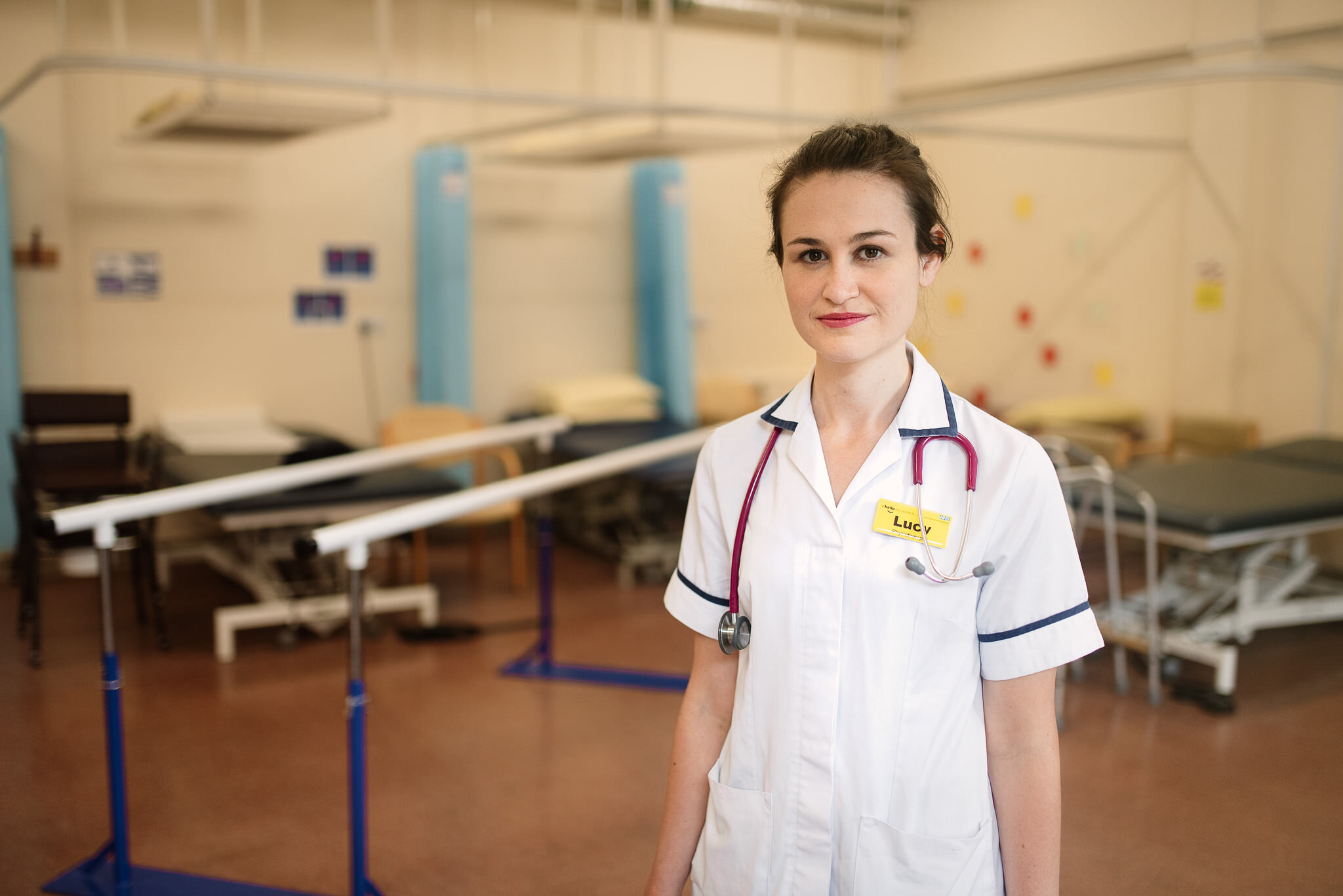
Lucy - Physiotherapist Team Leader - Respiratory Medicine
Lucy “felt scared of the invisible enemy that we’re all fighting and its effect upon our friends and family. [She] felt isolated in part as many people were apprehensive about seeing me when restrictions were relaxed due to where [she] works. It’s been a hard few months both physically and mentally.” As a respiratory physiotherapist, her classes were cancelled so she could focus on ward patients. She and her ward colleagues had to upskill quickly to deliver CPAP [ventilation] as it became a High Dependency Unit. Lucy found she “would sit with patients offering support as many were extremely unwell, scared and alone in hospital.” She believes “the NHS has been amazing in the way it has pulled together and learned so much about a virus that we knew nothing about.” As a way to reduce waiting times that increased, she has embraced “inventive” methods such as virtual exercise classes for breathless patients. “The patients seem to have enjoyed them and we have had some laughs doing them.” She hopes the bonds created between hardworking staff to support each other “continue to develop.”
Lucy - SHO Doctor - Surgery
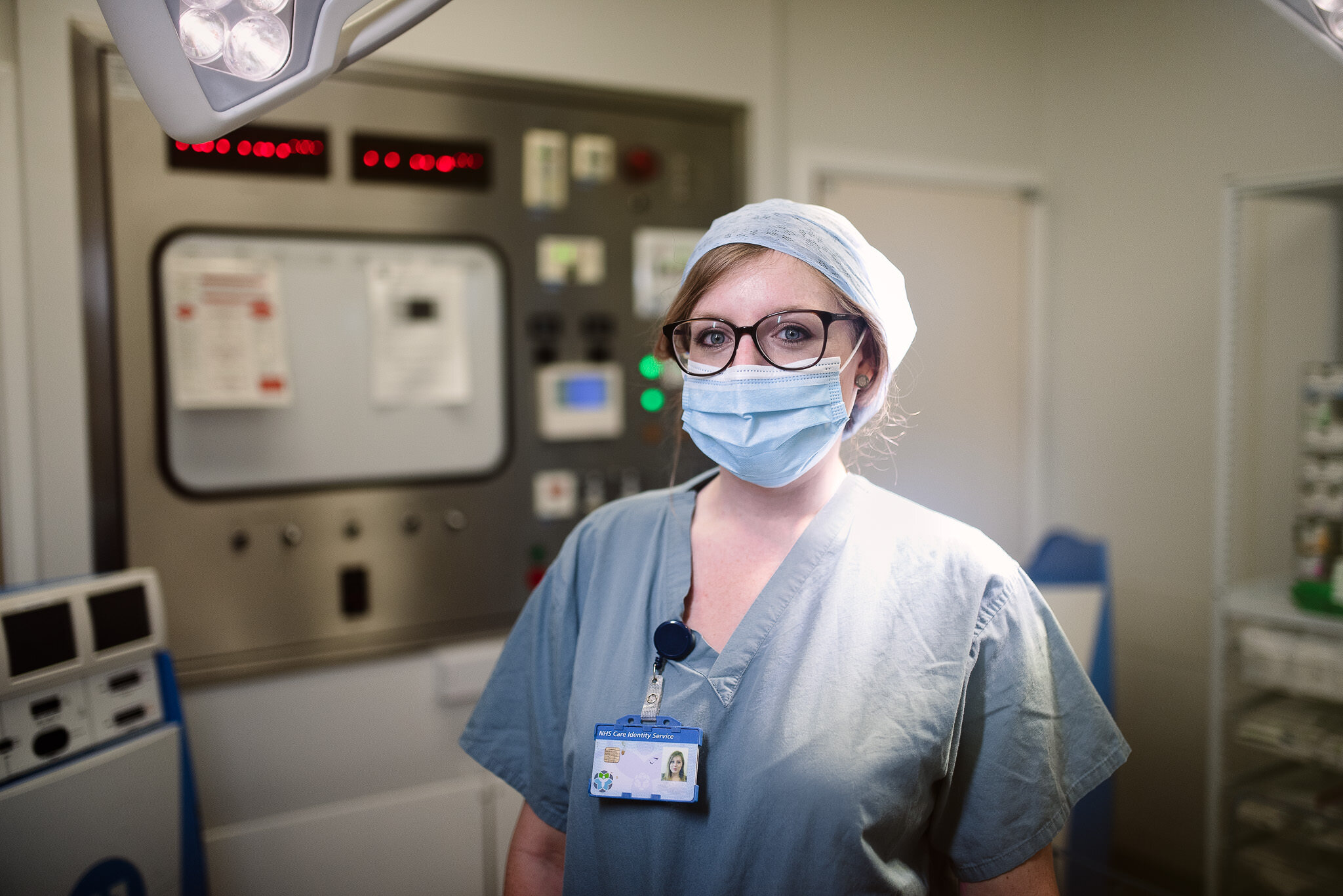

Martin - Chaplain
As a hospital chaplain, Reverand Martin has spent more time with patients where families normally would. With patients unable to have visitors, sometimes in their final days, Martin has increasingly become a reassuring, non-clinical friend to patients on the wards.
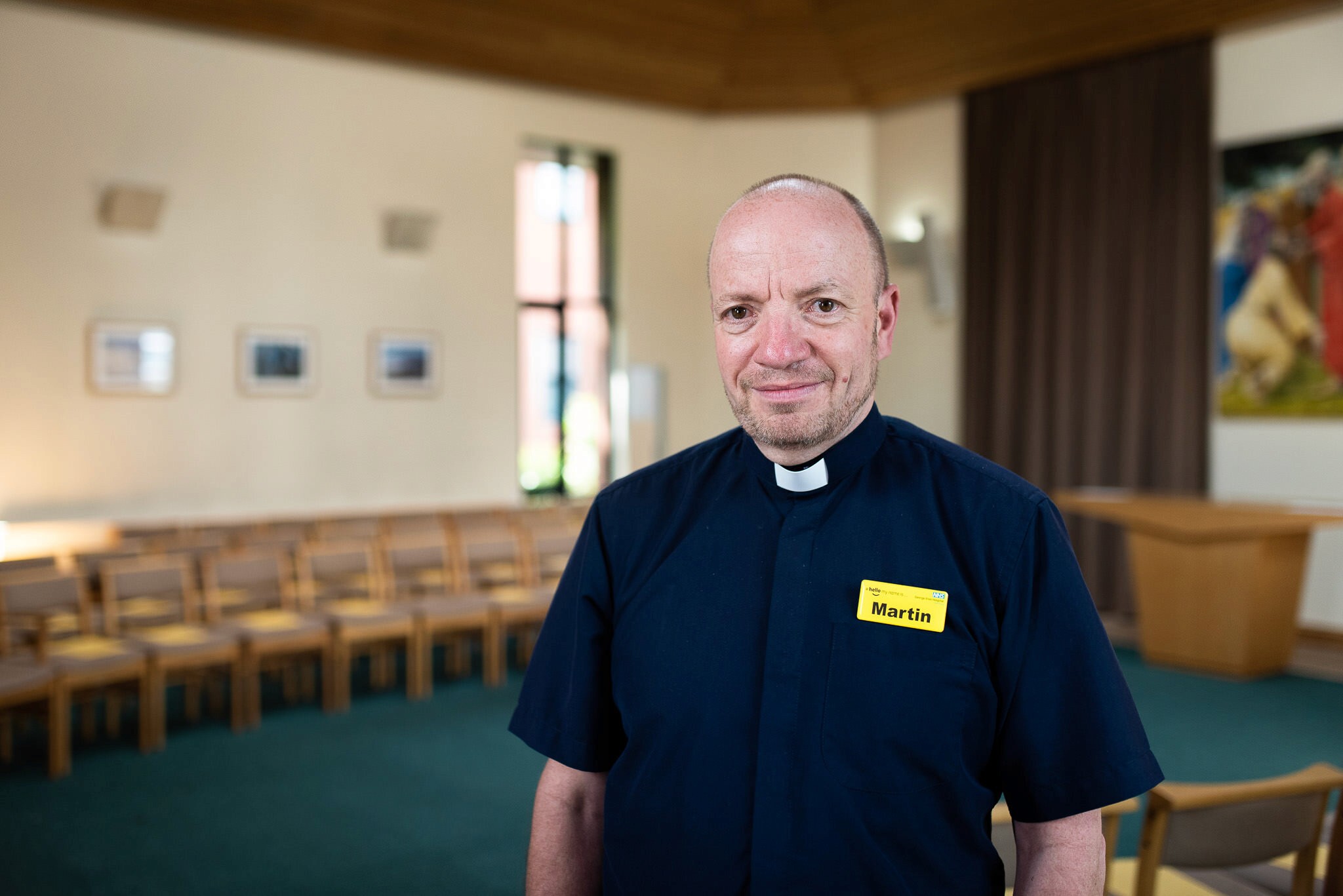
Megan - Mortuary Assistant
Megan’s job changed dramatically as she was redeployed to the Mortuary from the Hospital Sterilisation & Disinfection Unit. “It was difficult at first as there were no policies or procedures for dealing with the deceased infected with the virus, however once policies were put into place it became much easier to protect ourselves and other staff against infection.”
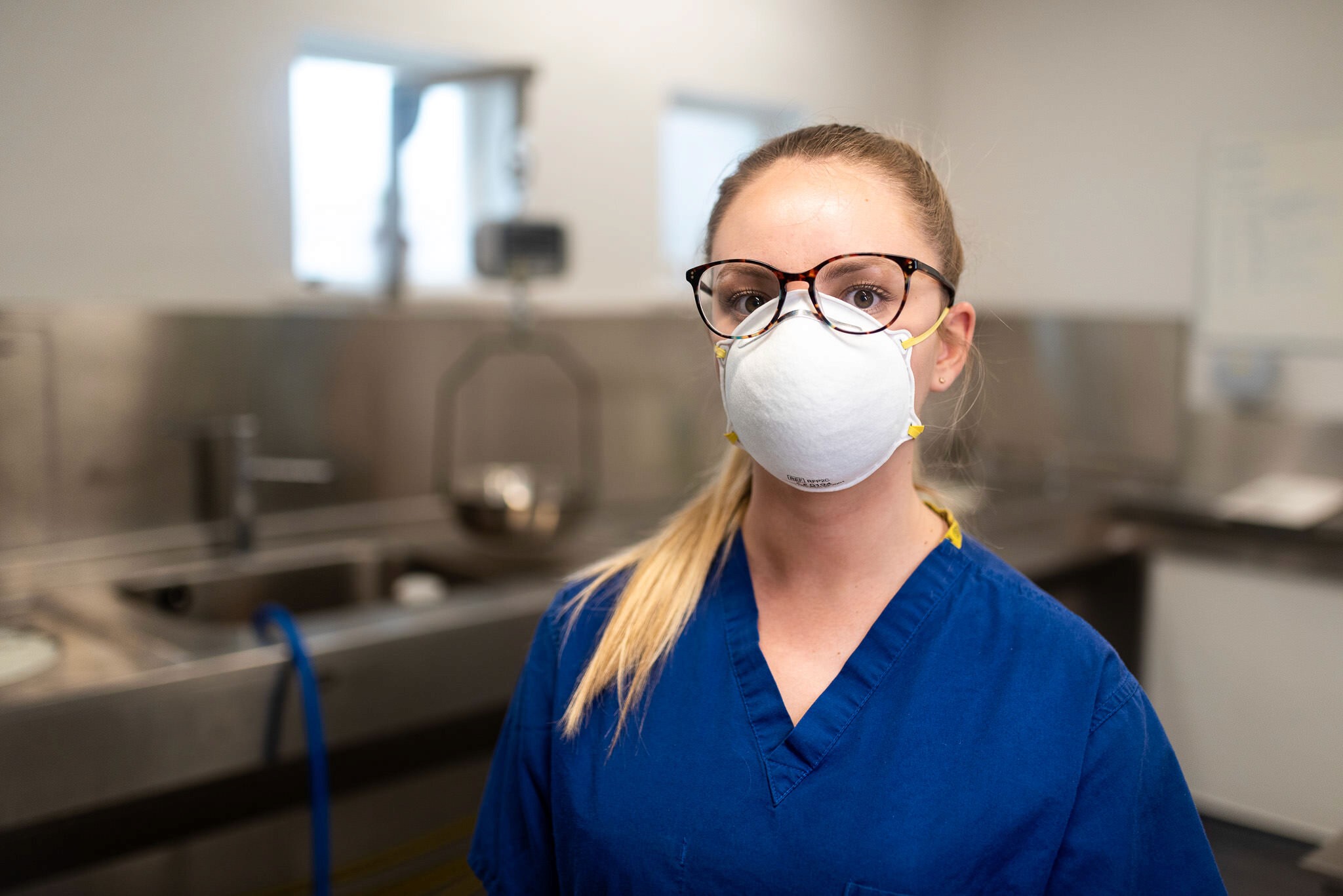
Michelle - Bereavement Administrator

Olaoluwa - GP Training Doctor in A&E
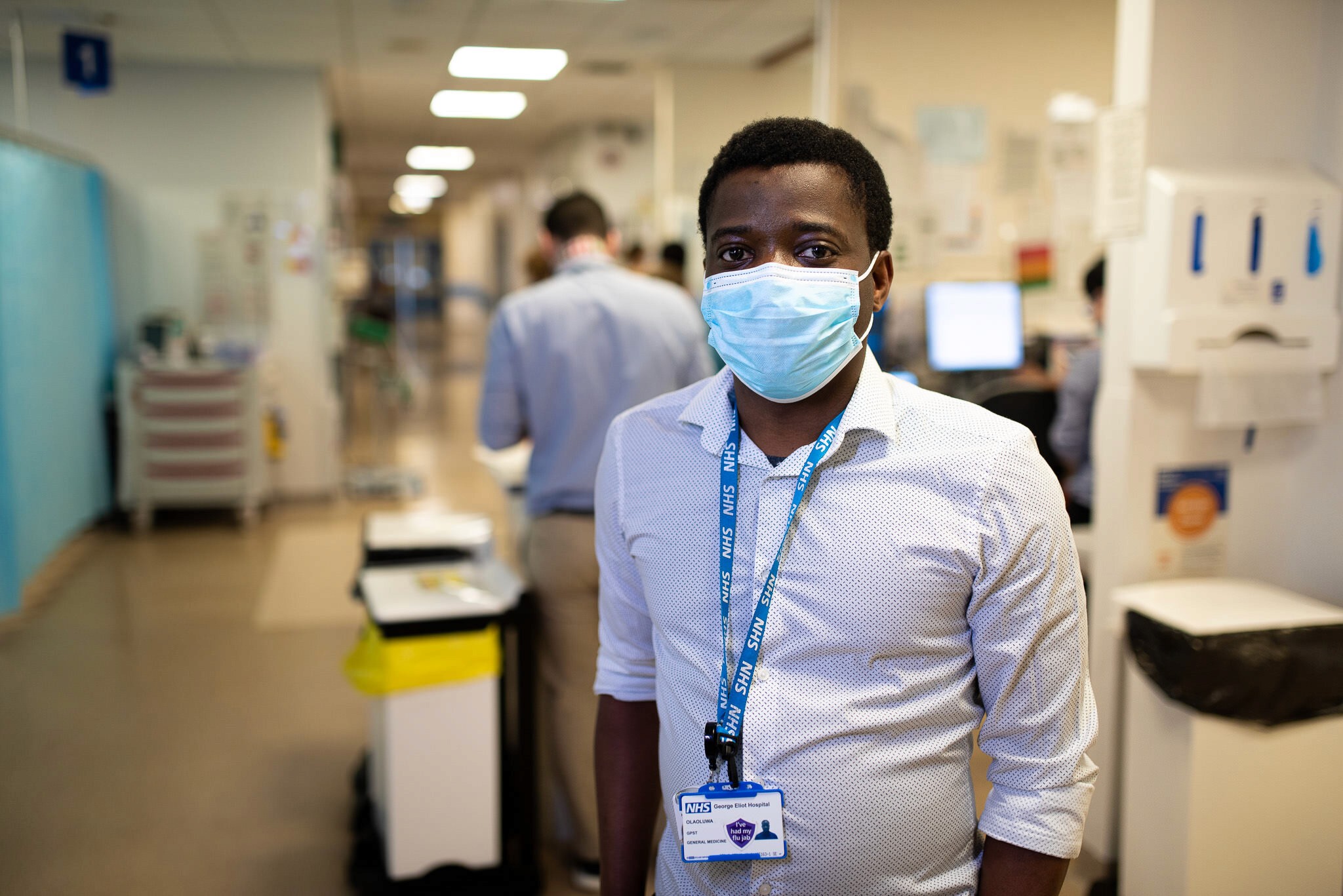
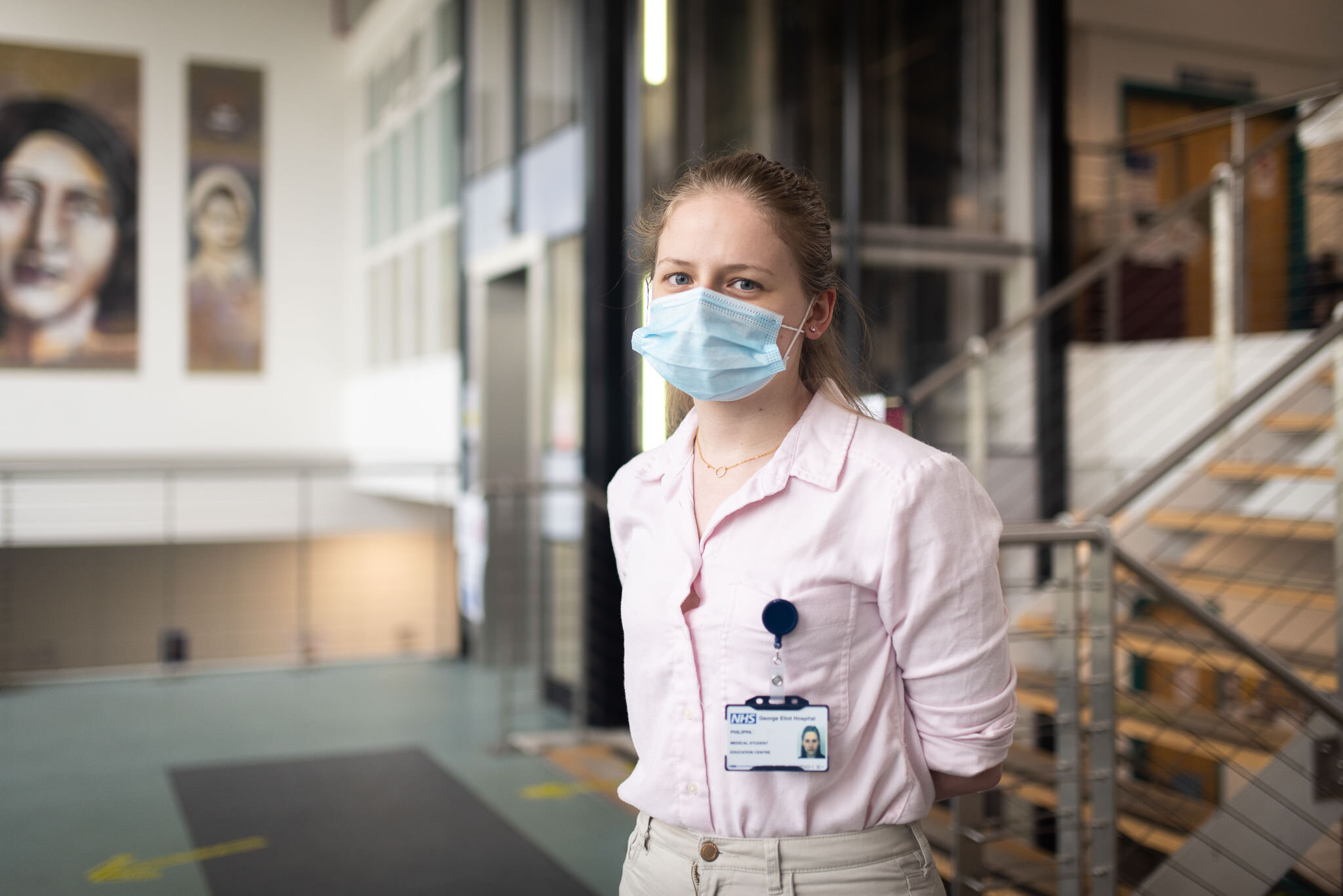
Philippa - Medical Student - Third Year
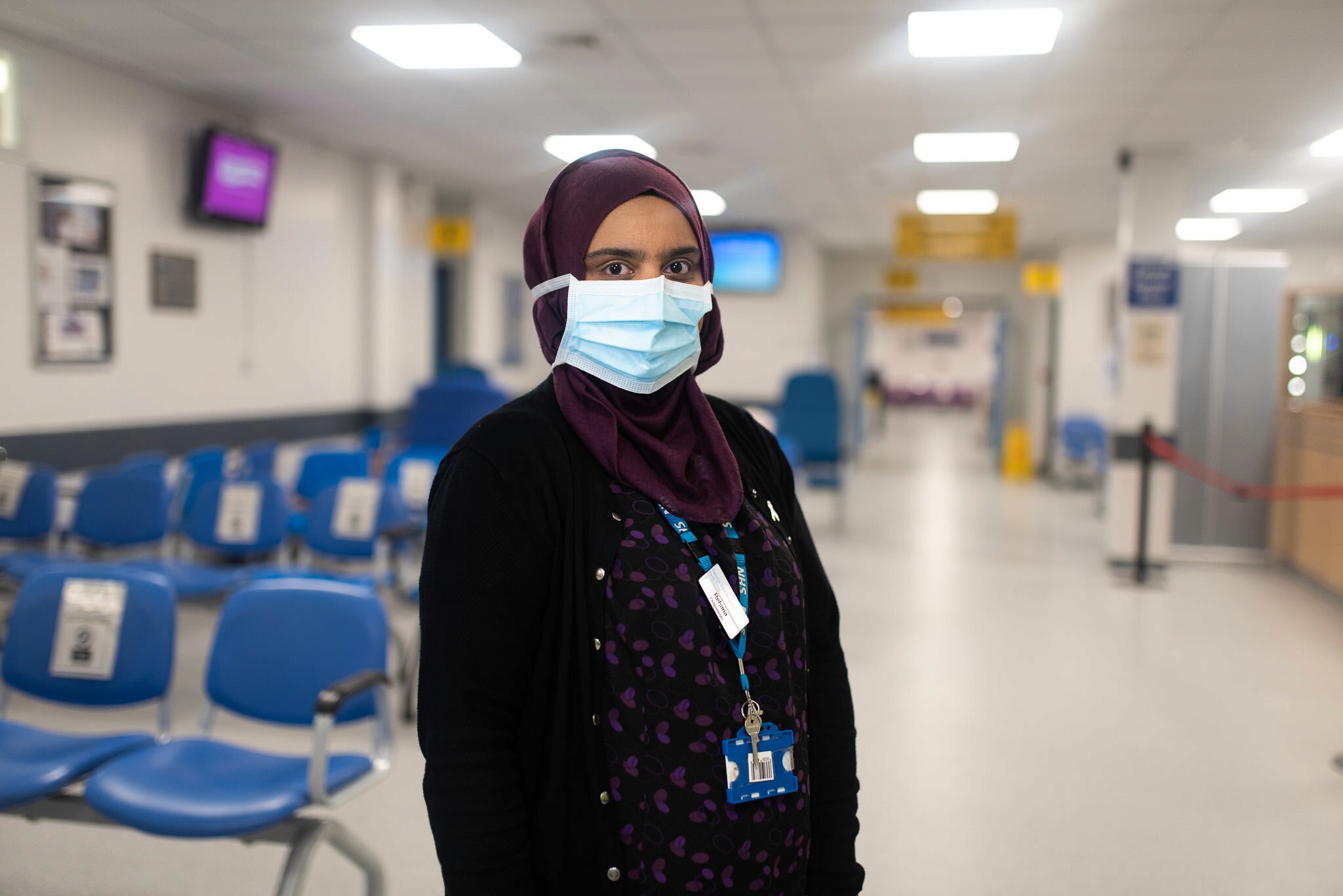
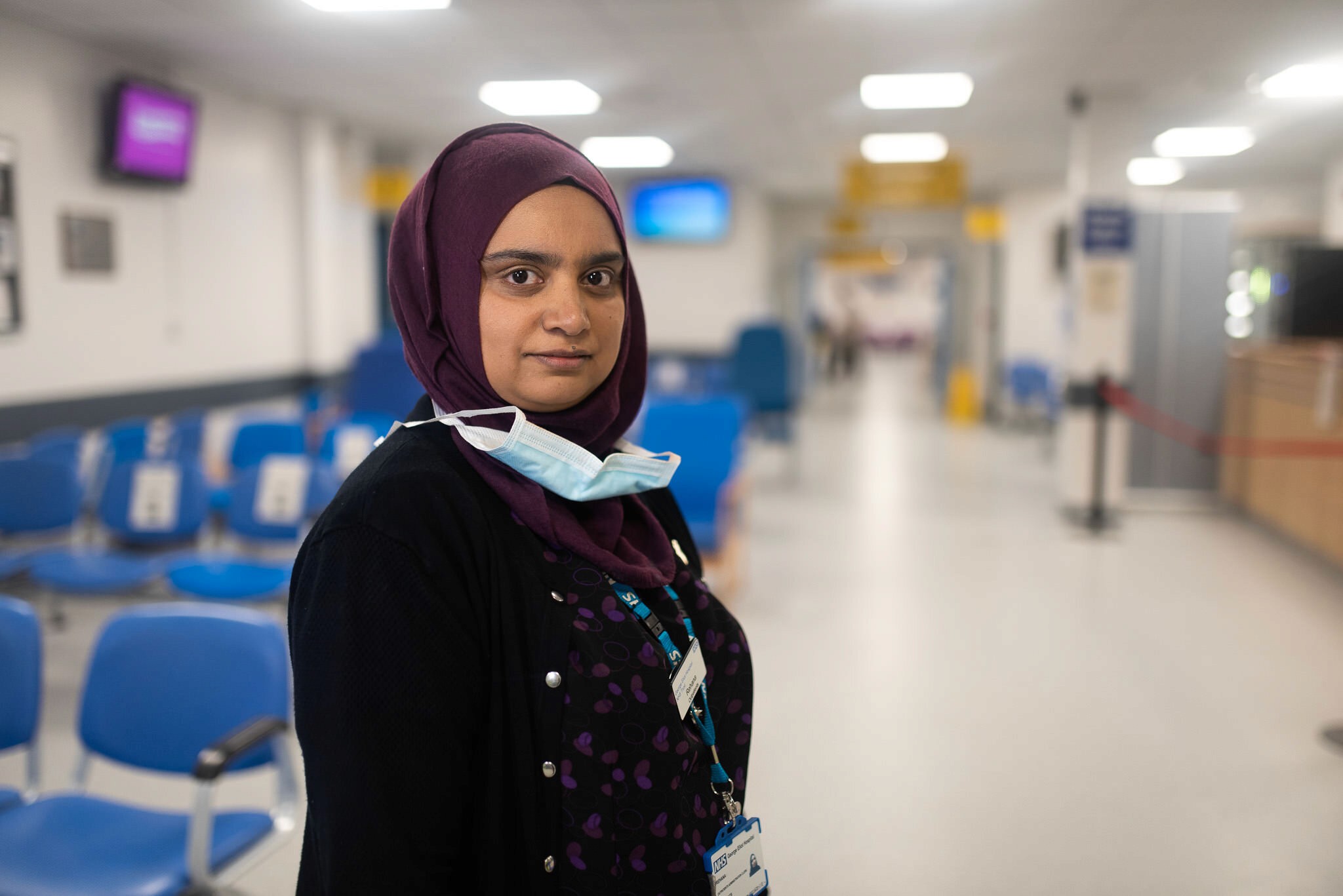
Rehana - Outpatients Dept. Receptionist
Rehana “felt very nervous and scared to come in” as a receptionist in the outpatient department because “we are unsure who is carrying what.” She believes “a lot of visitors and patients are afraid to come in as they feel intimidated by the situation.” She feels “NHS staff have done a fantastic job [and is] proud to be part of this.”
Richard - Radiology Operating Department Practitioner
Richard alleviated his anxieties by “focusing on adhering to policies, guidelines and protocols.” As an Operating Department Practitioner, he “treated it with the same amount of respect as you would for any other potentially dangerous pathogen.” His role “shifted its primary focus to treating palliative and cancer-care-pathway patients,” with immunocompromised surgical patients becoming an “increasingly challenging aspect.” He hopes the renewed “reverance [of the NHS] will continue to exist as a component of our national identity.”
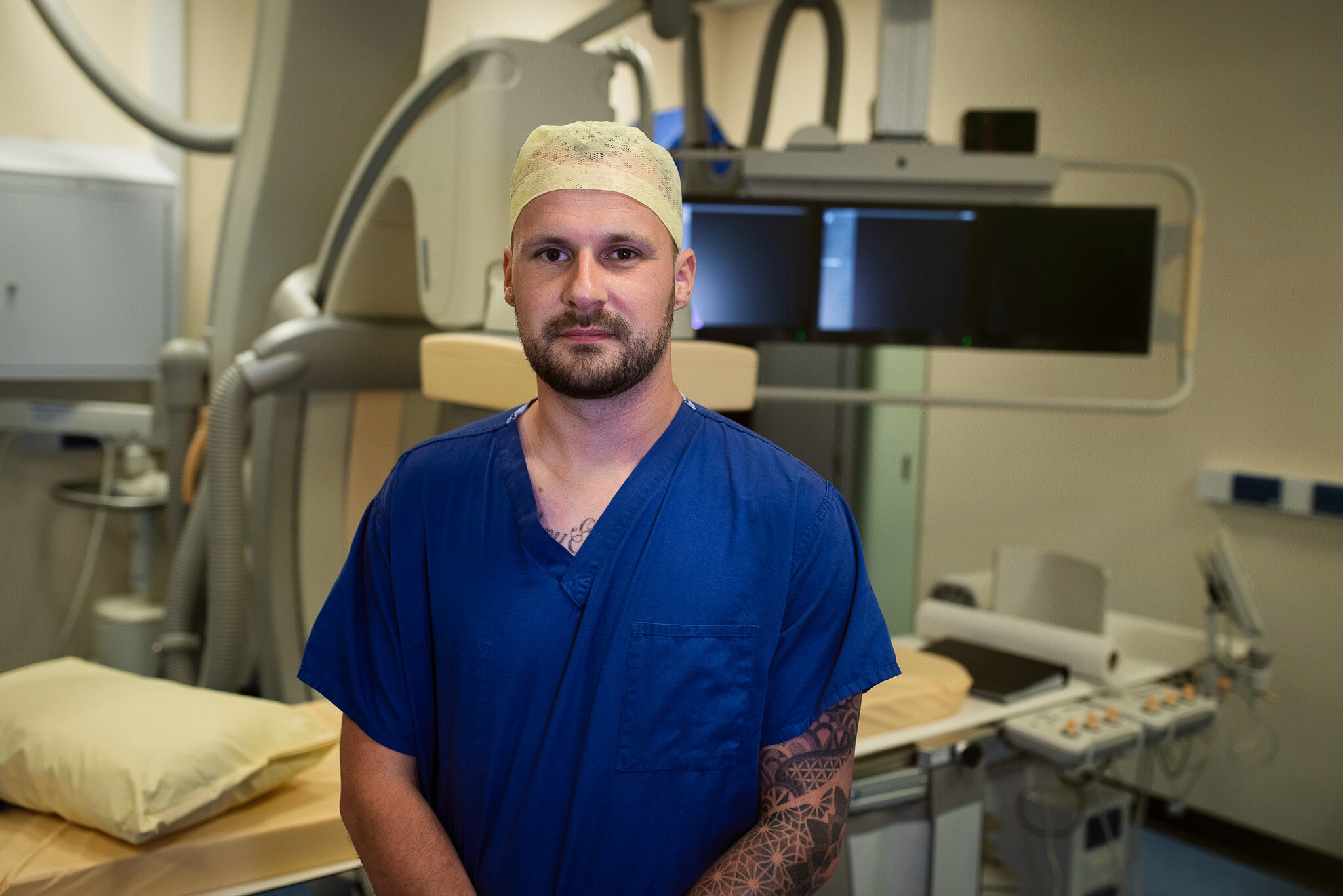
Robert - ICU Charge Nurse
Robert felt “a mixture of overwhelming gratitude from the support and gratitude displayed [but] disbelief at the ignorance and hysteria displayed by some people.” He found himself “having to make decisions that I feel were beyond my role.” He hopes the newly “reinforced importance” of the NHS will be remembered.

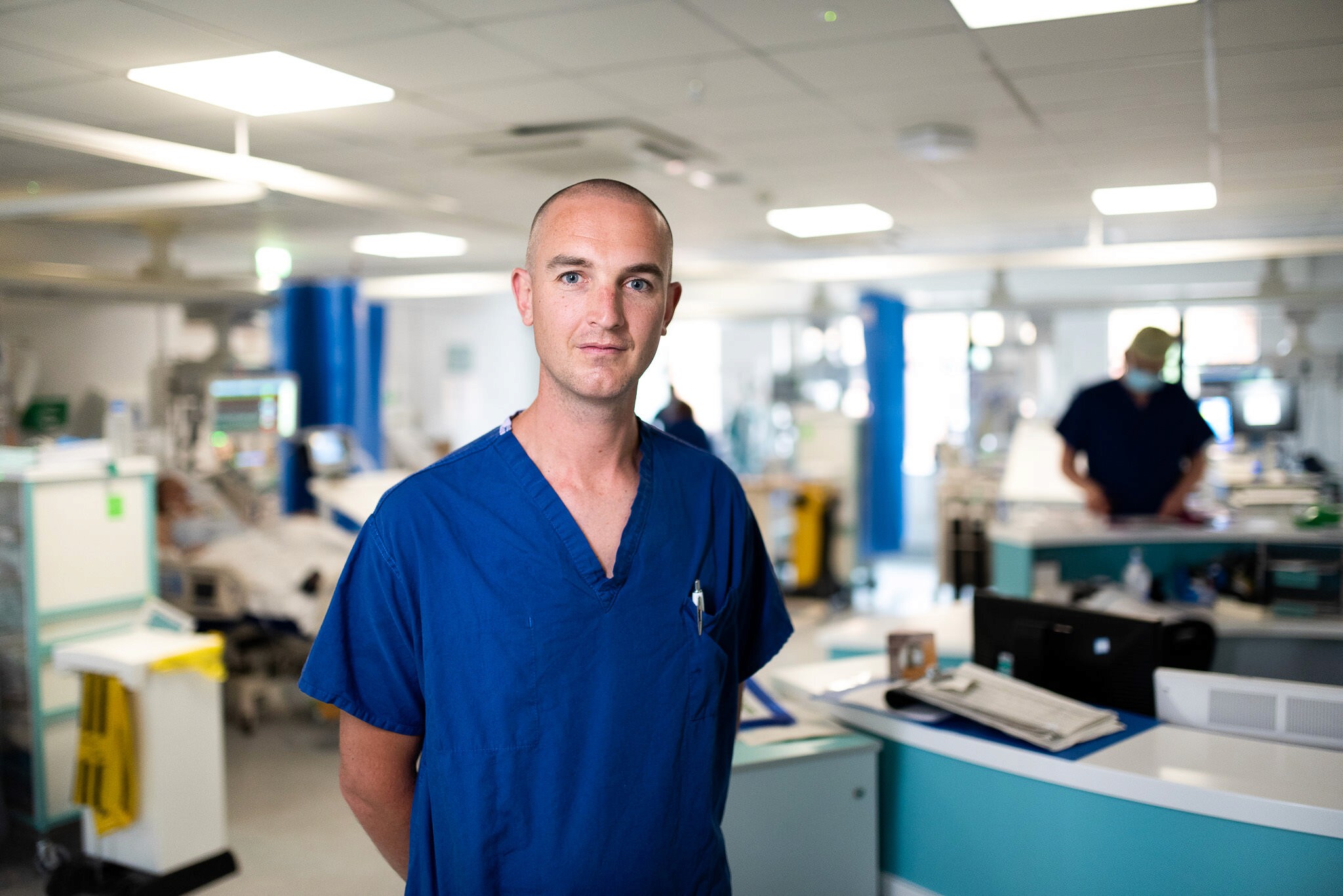
Tina - Respiratory Ward Nurse
Tina found caring for COVID patients scary and heartbreaking. She has appreciated the “importance of family during these difficult times”, particularly from seeing the “impact it has had on patients not having them visit.” She feels a lot of NHS staff have been affected from seeing the “devastaton this virus has caused”, herself included. She believes the pressures have proved the “value and strength of the NHS”, and hopes the public continue to support and understand the value of it.

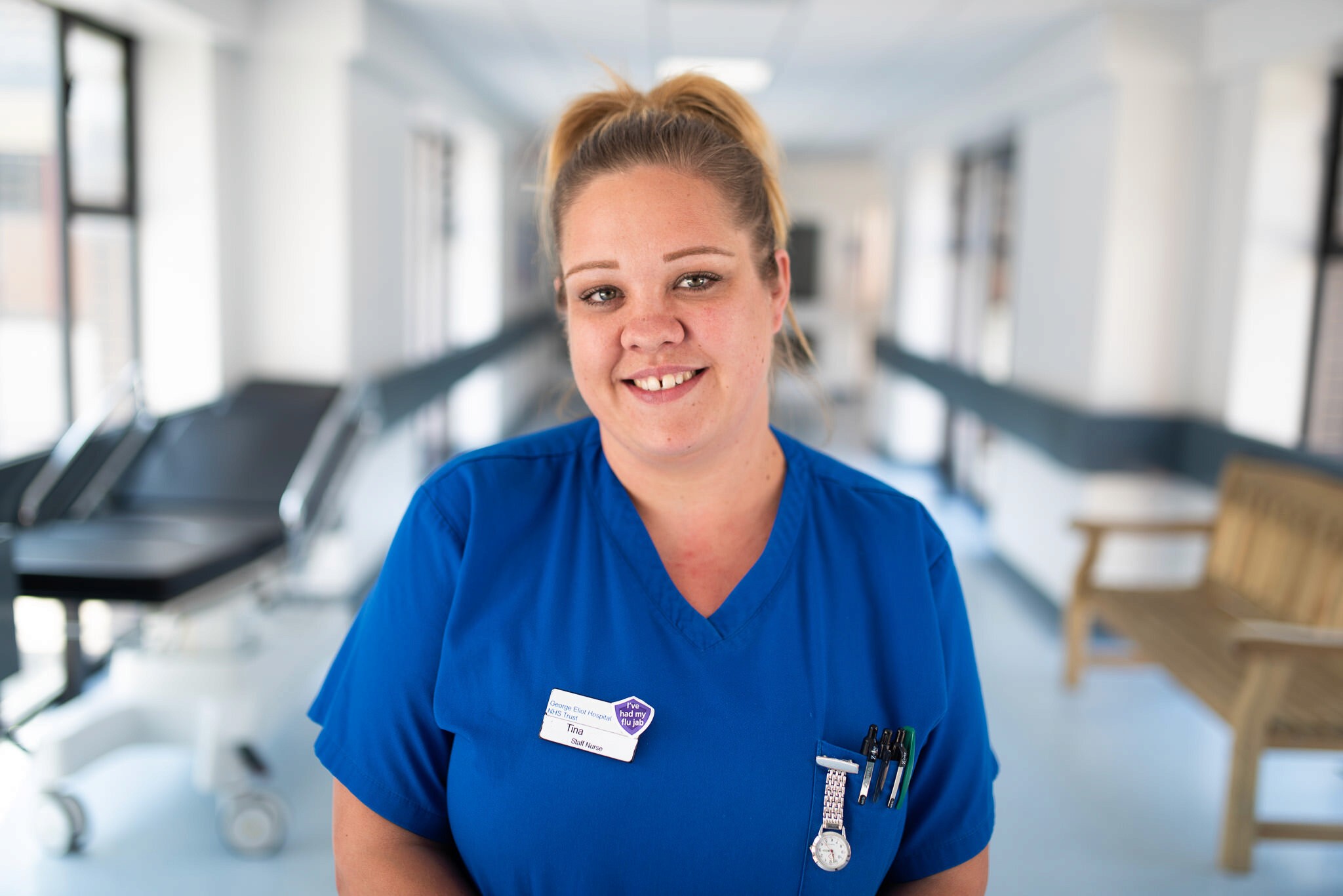
Avril - Acute Medical Unit (AMU) Nurse
Avril felt “overwhelmed, afraid, out of my depth, but vital and part of an amazing team.” She described how “everything changed. We have looked for some of the sickest patients with the lowest NEWS. It’s meant really embracing our clinical knowledge and experience to act on patient deterioration. We had to quickly learn new skills and techniques including prone positioning and CPAP. We had to talk families through EOL process over the phone and help them come to terms with their loved ones’ end remotely. Lack of visitors has made the whole hospital seem quiet and lonely, giving a false sense of tranquility, when in fact we’ve been dealing with a horrific amount of tragedy.”

Danielle - Research Study Site Coordinator
All of Danielle’s research studies have paused to focus on COVID-19, with more patients enrolled than usual. She has felt a “mixture of emotions” and hopes her increased workload will lead to potential treatments sooner. She’s concerned about the long-term consequences of the pandemic on the NHS.

Dawn - Lead Radiographer - X-ray
Dawn was anxious about keeping her family safe as she worked, while keeping her “work family’s morale high” and feeling safe. She is very proud of her team and thinks “we have done our absolute best to get through this pandemic despite some very great personal tragedies.” She “would like to think that the general public will remember how much we cared for them at this time, even when our waiting times creep up again.”
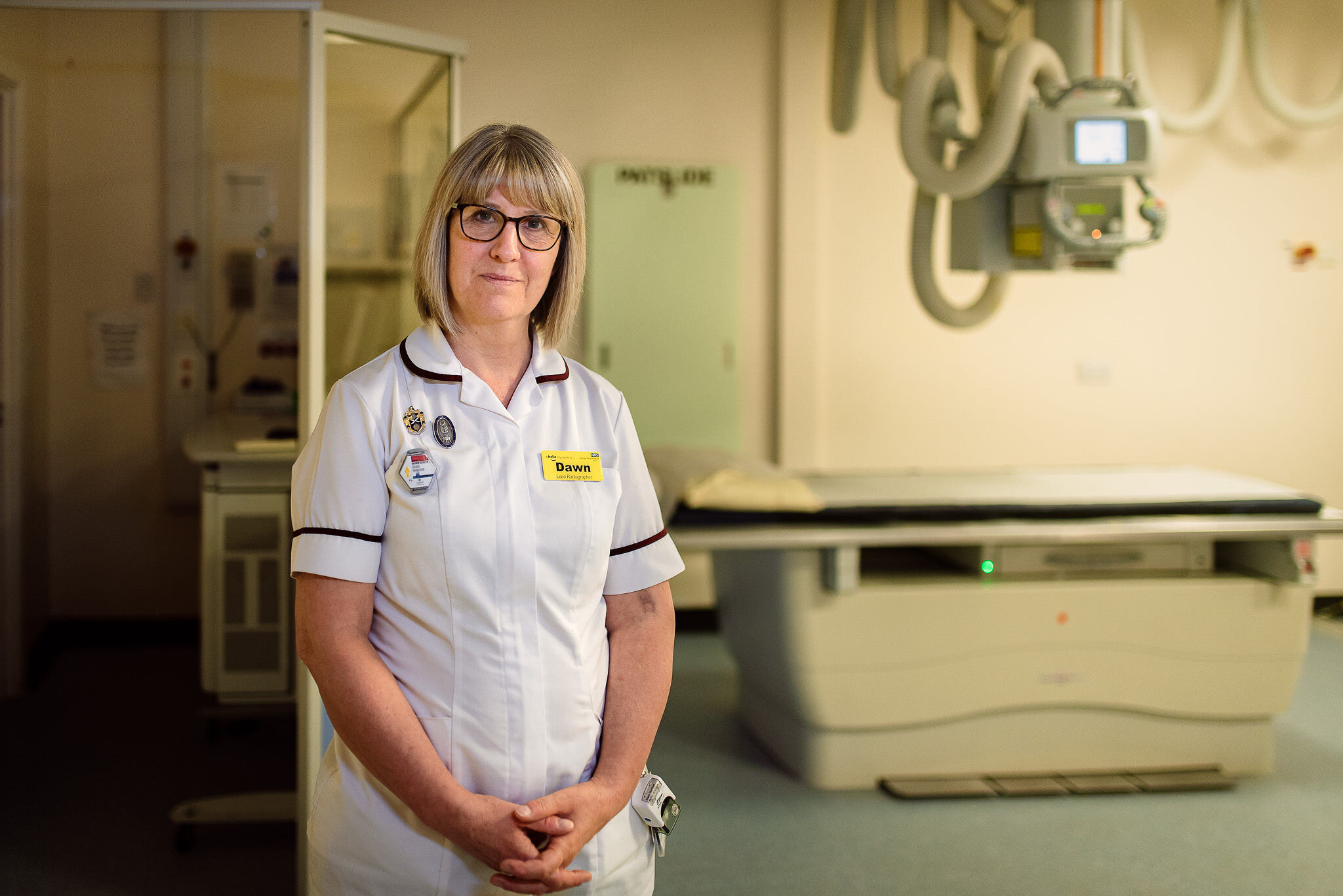
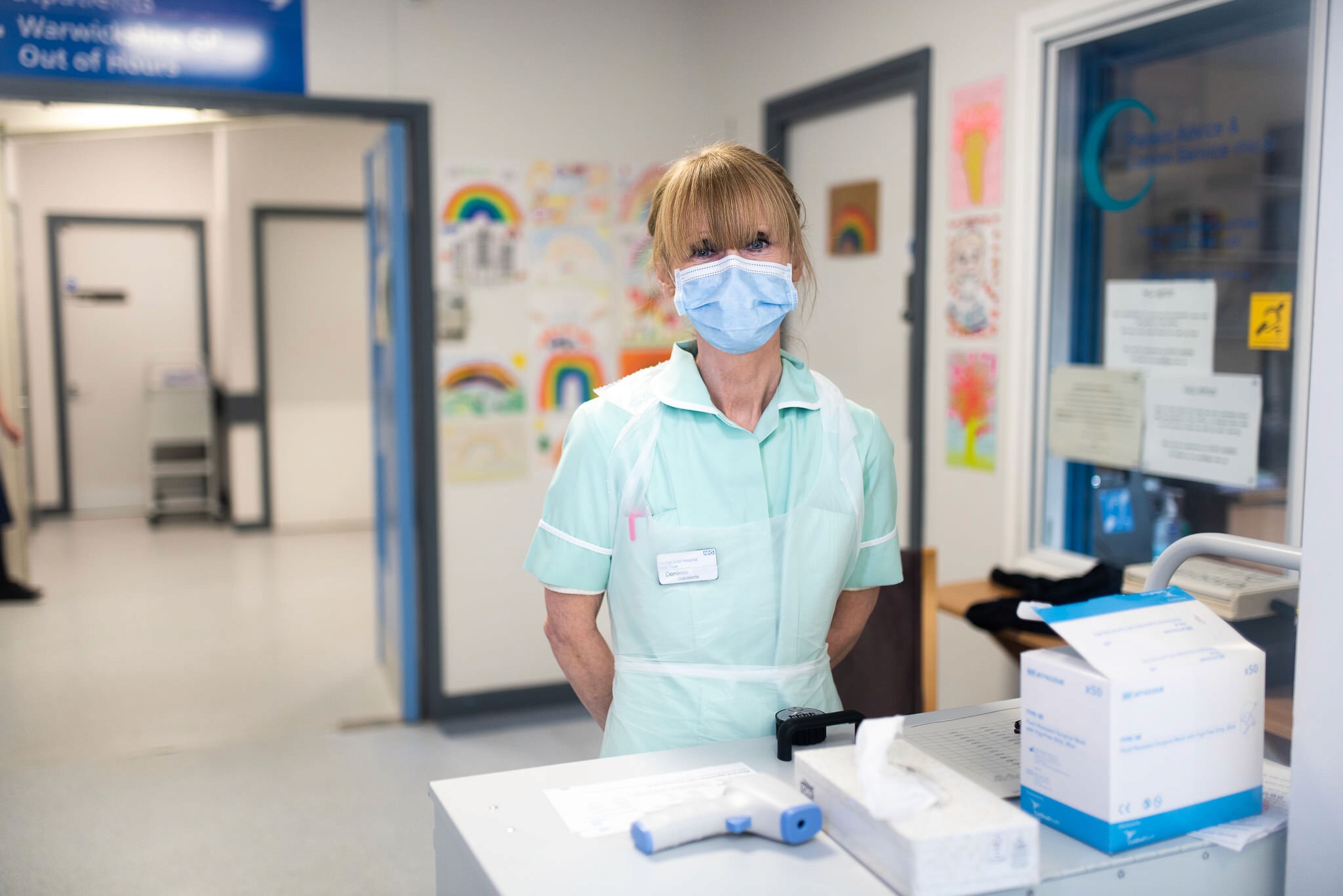
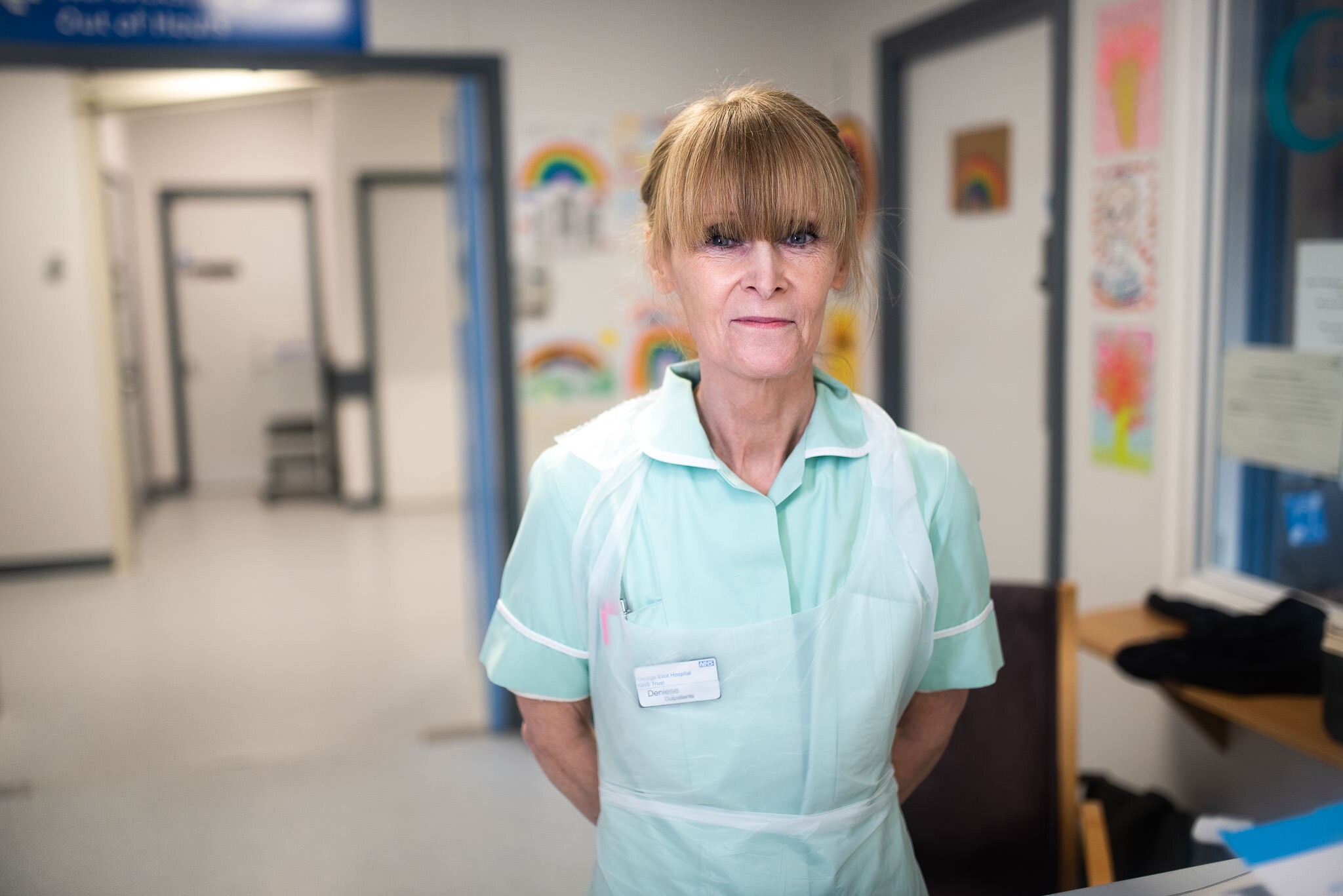
Deniese - Outpatients Healthcare Support Worker
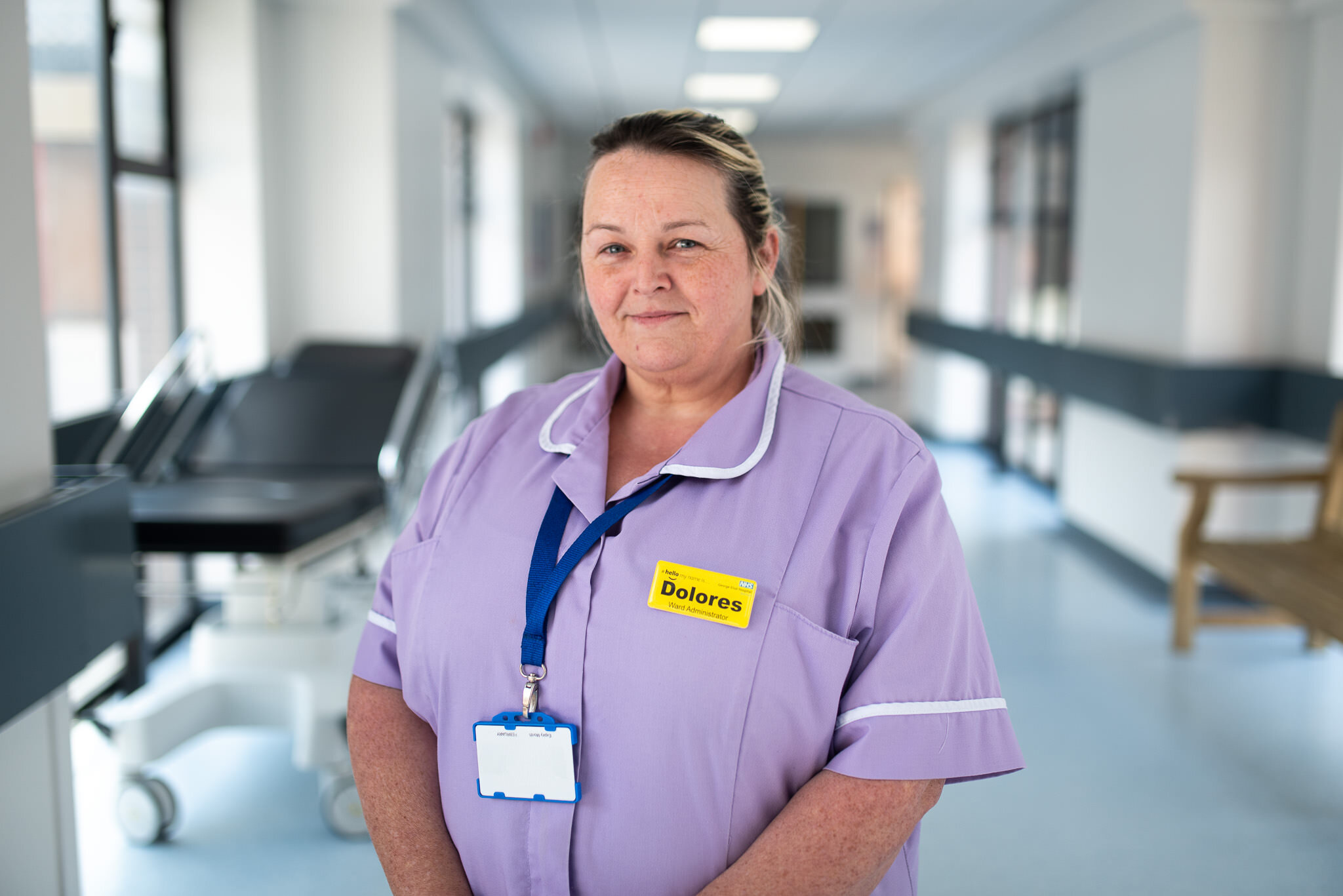
Dolores - Ward Clerk
As a ward clerk, Dolores is “now an even more important link between patients’ and their relatives, as because they can’t visit, [she] is the first point of contact when they call the ward”. She hopes public support will continue and that the staff’s commitment will be recognised as the “backbone” of the NHS.
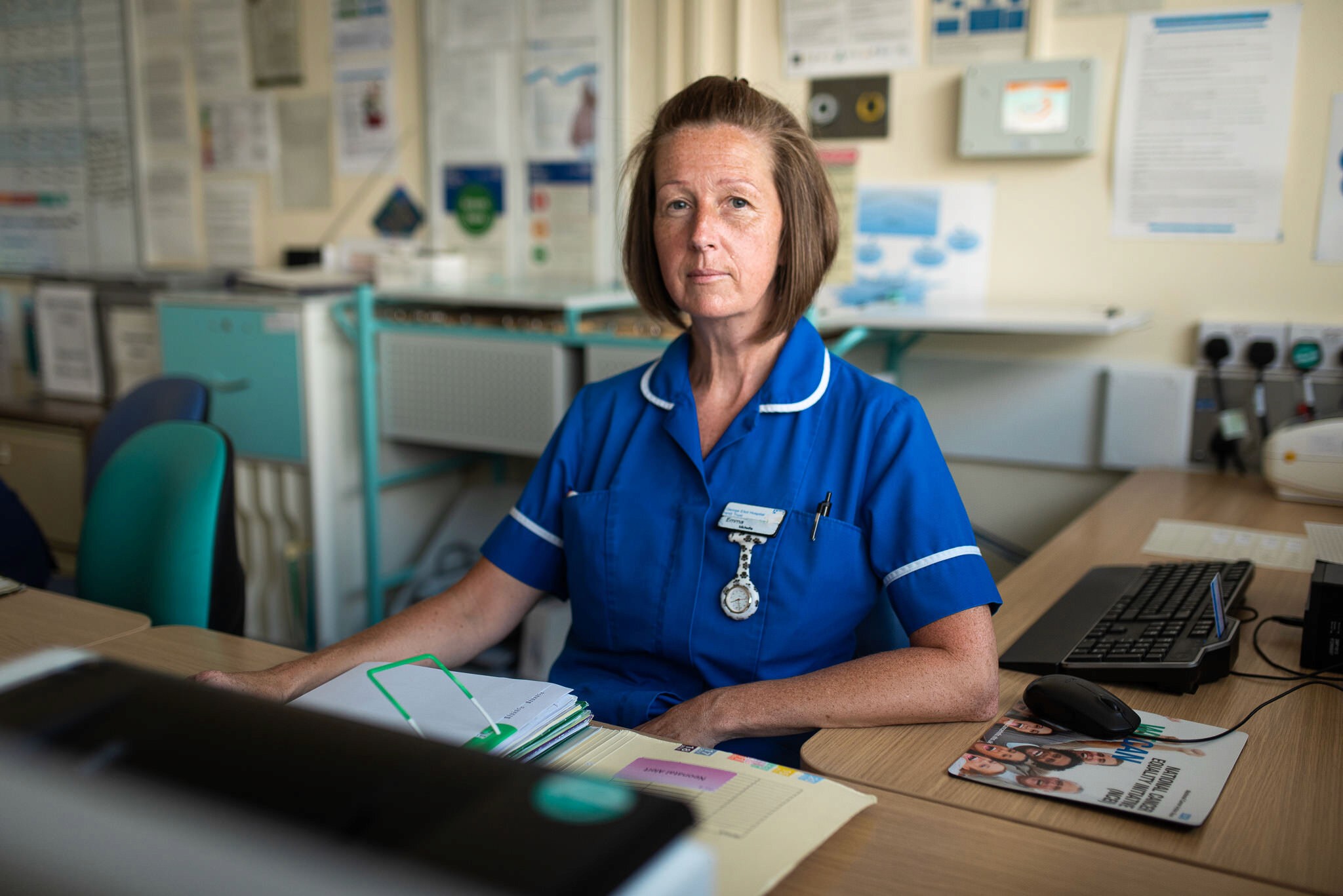
Emma - Midwife
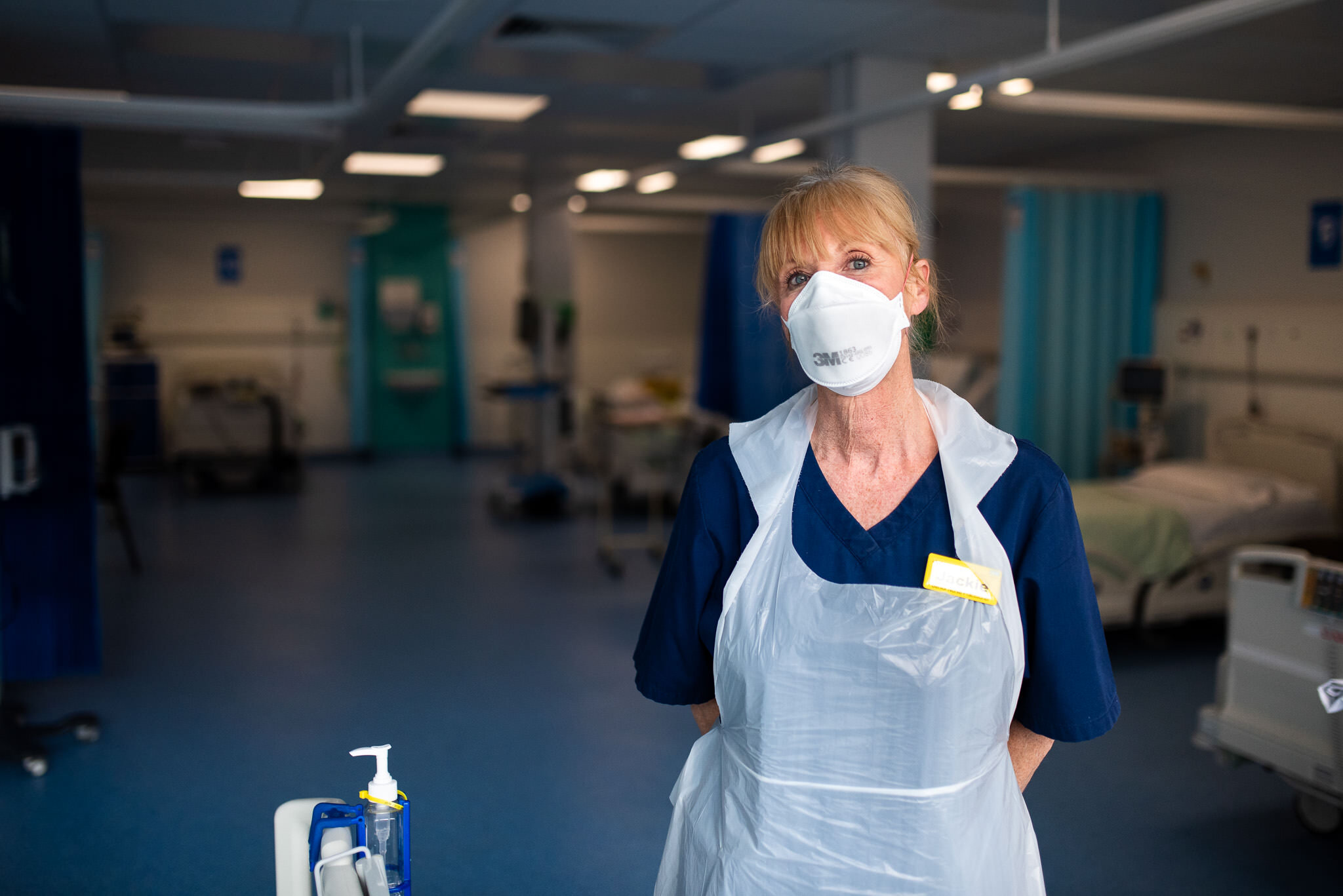
Jackie - COVID Emergency Dept. Nurse
Jackie is concerned there will be a “massive impact on the NHS going forward”, as patients are “waiting for electives [that] have been put on hold”, “frightened of going to their GPs”, and may have serious diagnoses delayed. As a nurse, she hopes kindness will continue, increased “hand washing may reduce other infection spread”, and that staff’s new skils “will continue to improve care”.
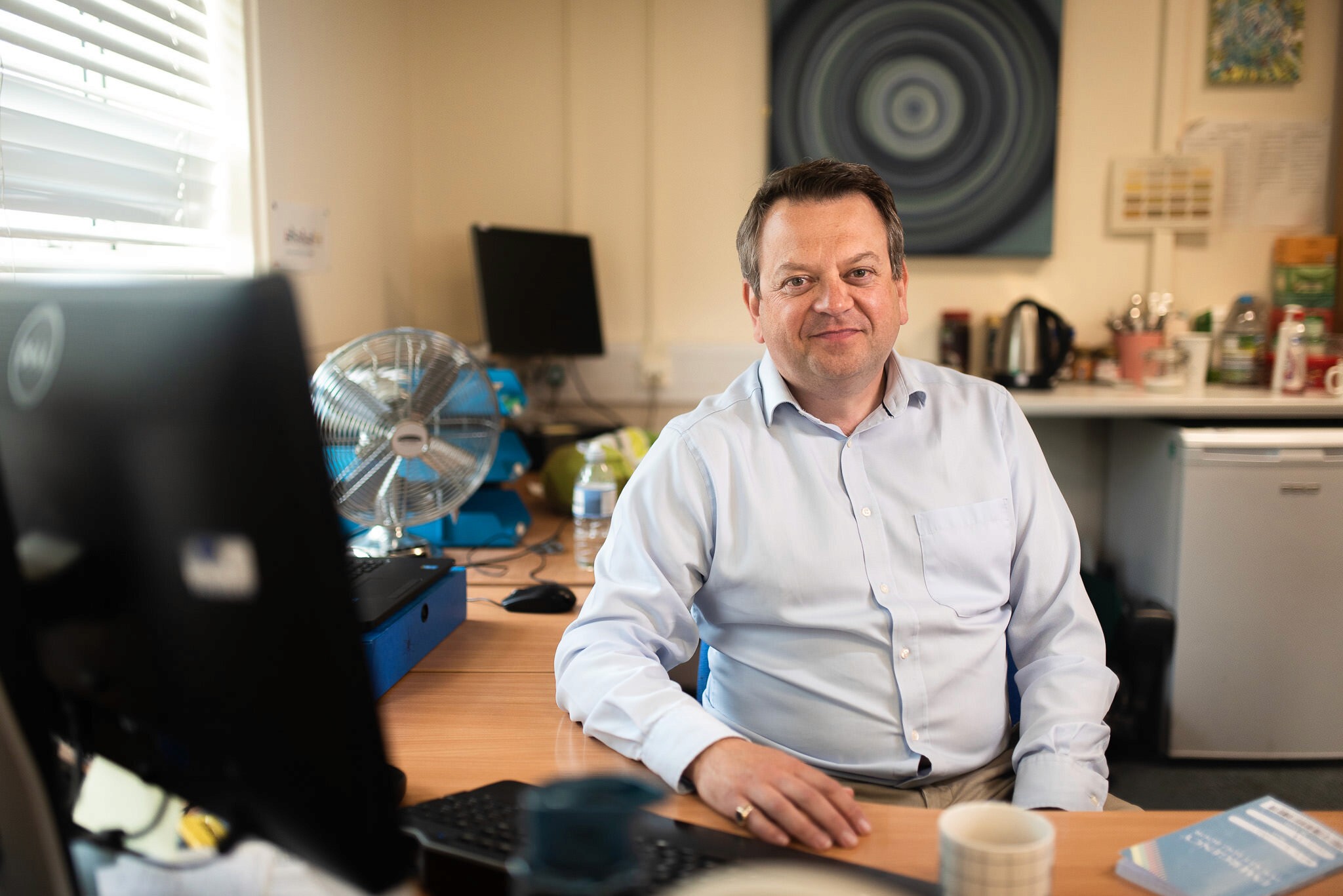
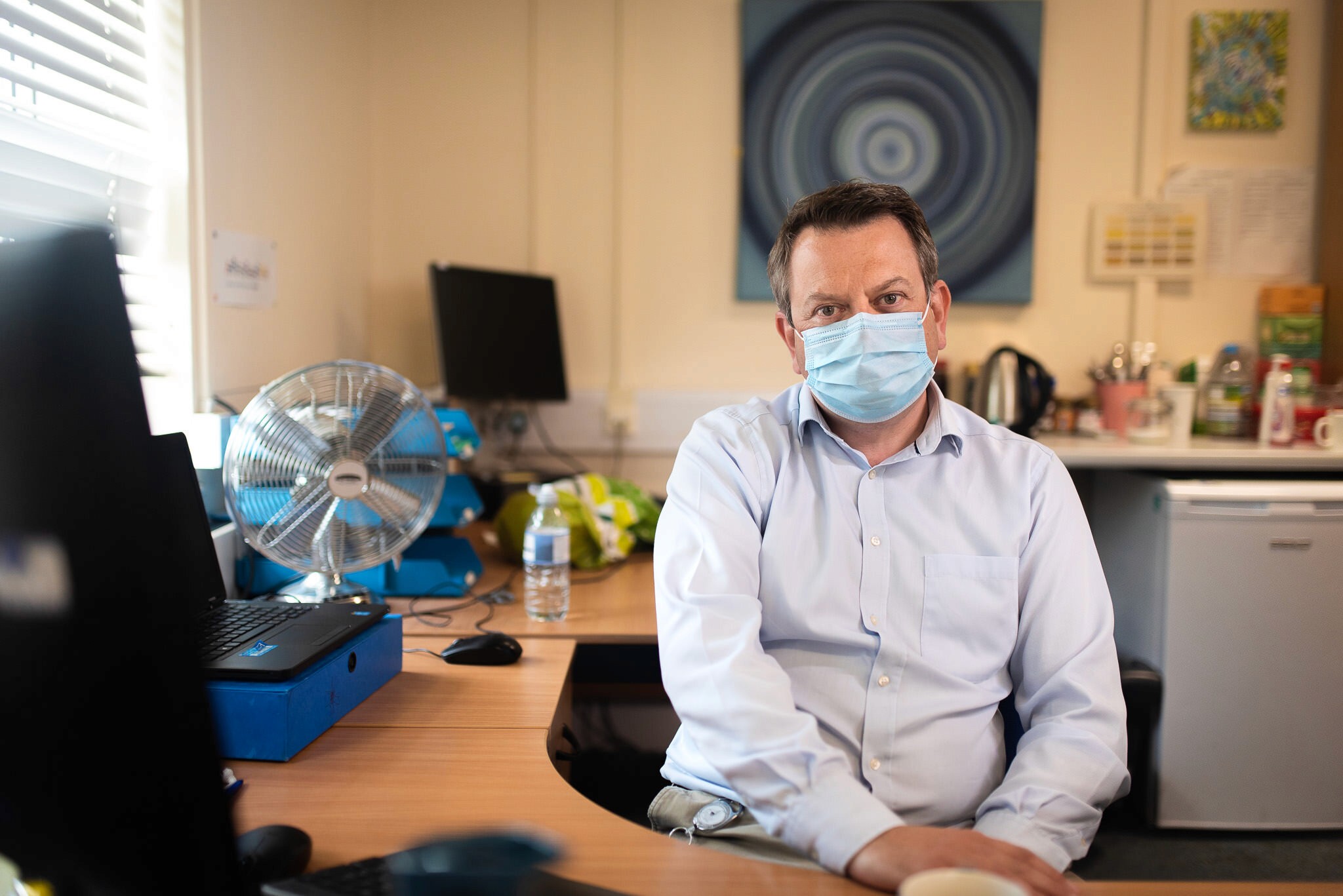
James - Head of Communications & Engagement
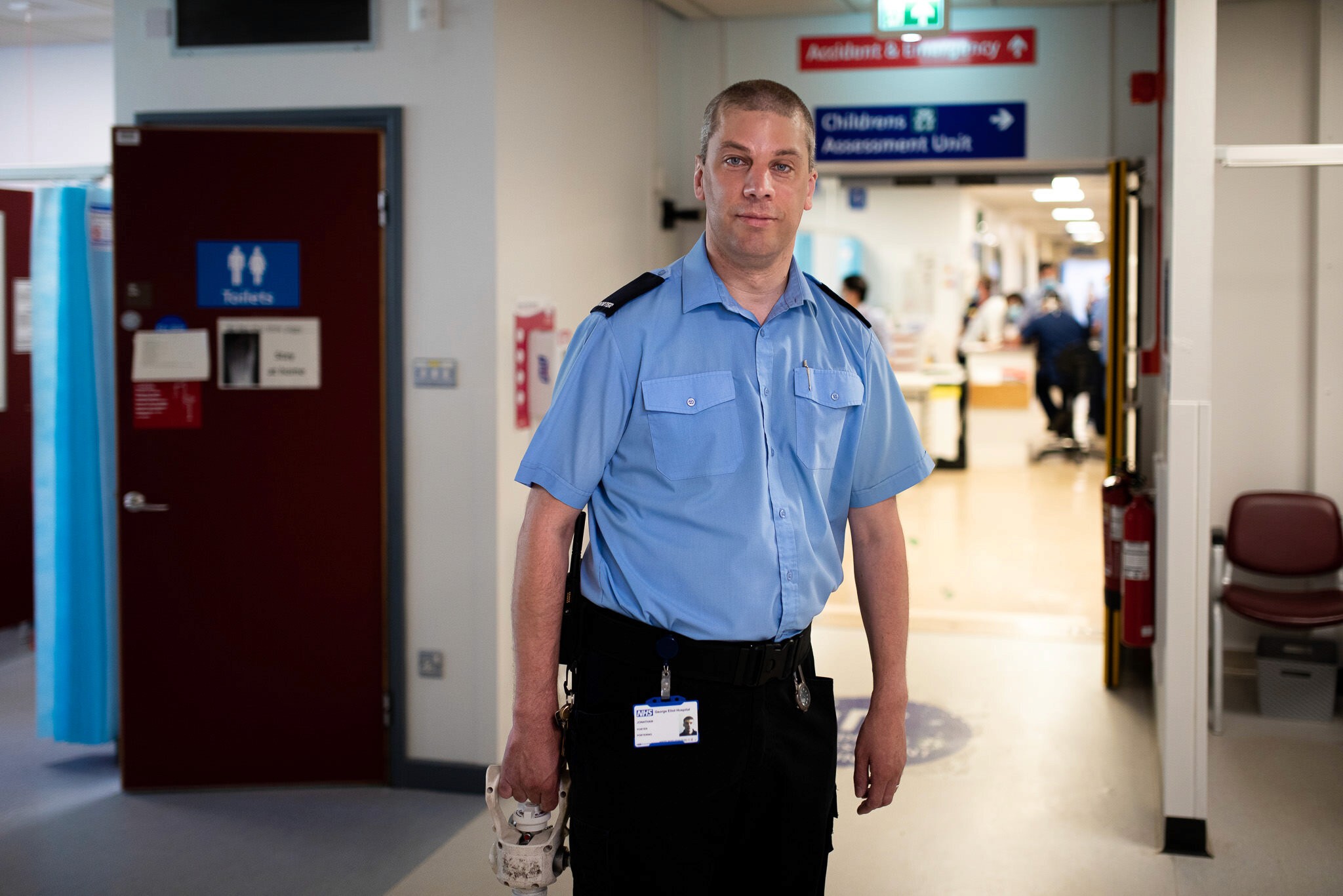
Jonathan - Porter
Jonathan has felt “very calm” as a porter during the pandemic, only having to adapt to wearing PPE. He believes “we have pulled together to keep things going” in this “very challenging time” and hopes learning from this experience will “help us be ready for the future”.
Jo - Cardiorespiratory Physiologist
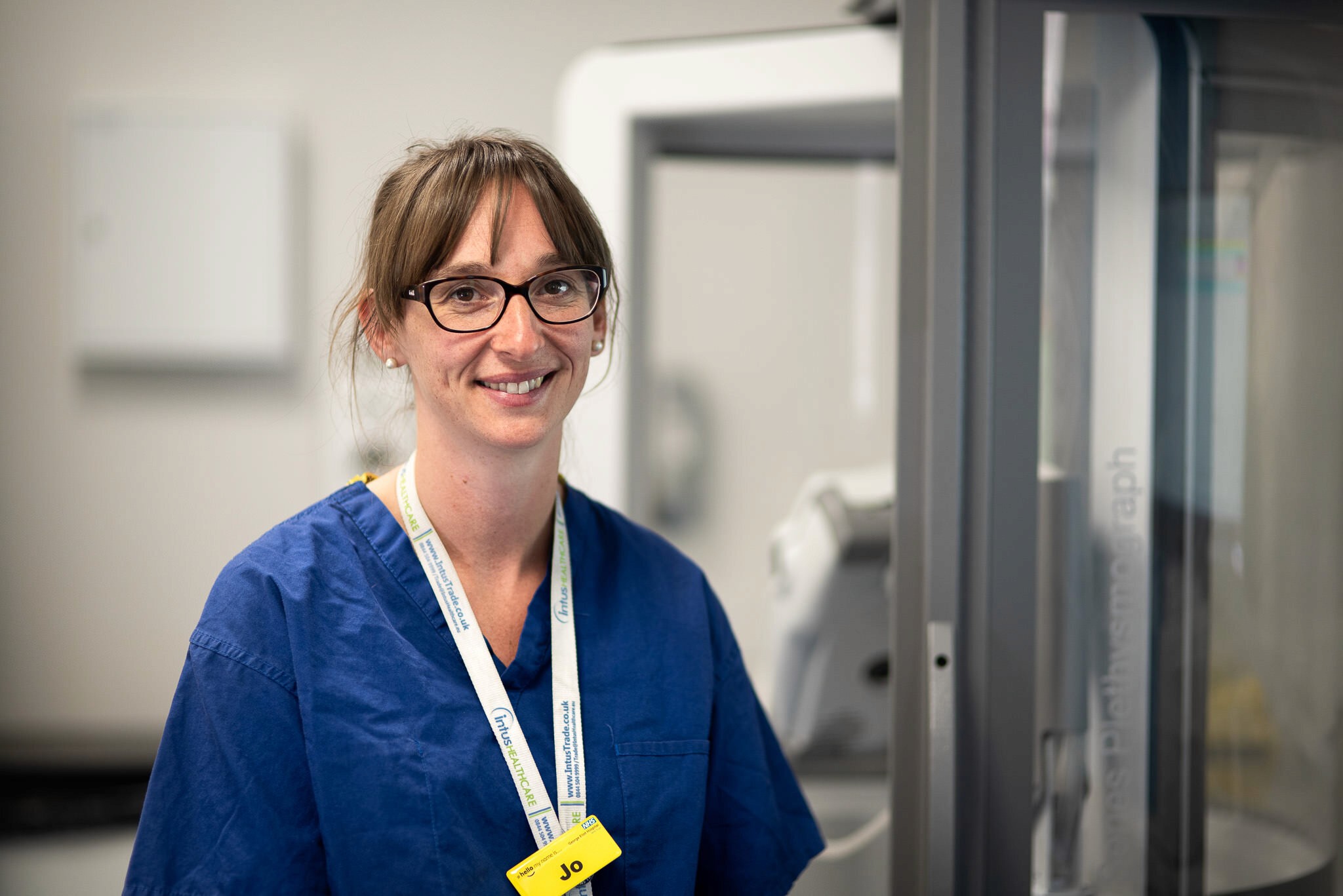
Jo felt a “mix of tired, worry, and concern” as her role as a cardiopulmonary physiologist shifted from working with outpatients to COVID patients on the wards. She hopes A&E will be used more responsibly in the future and that some new ways of working will continue.

Julie - Theatre Operating Department Practitioner (ODP) - Team Leader
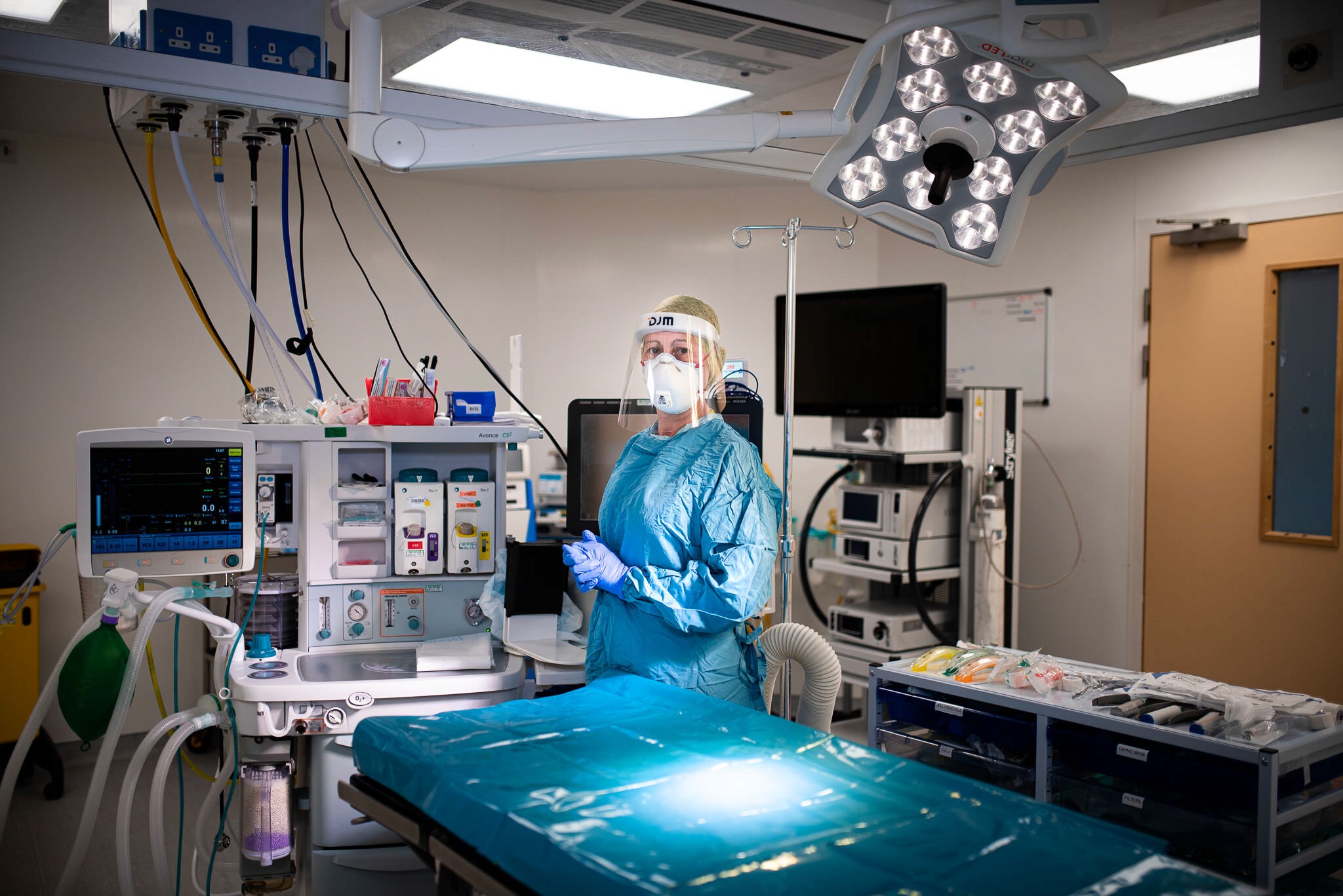
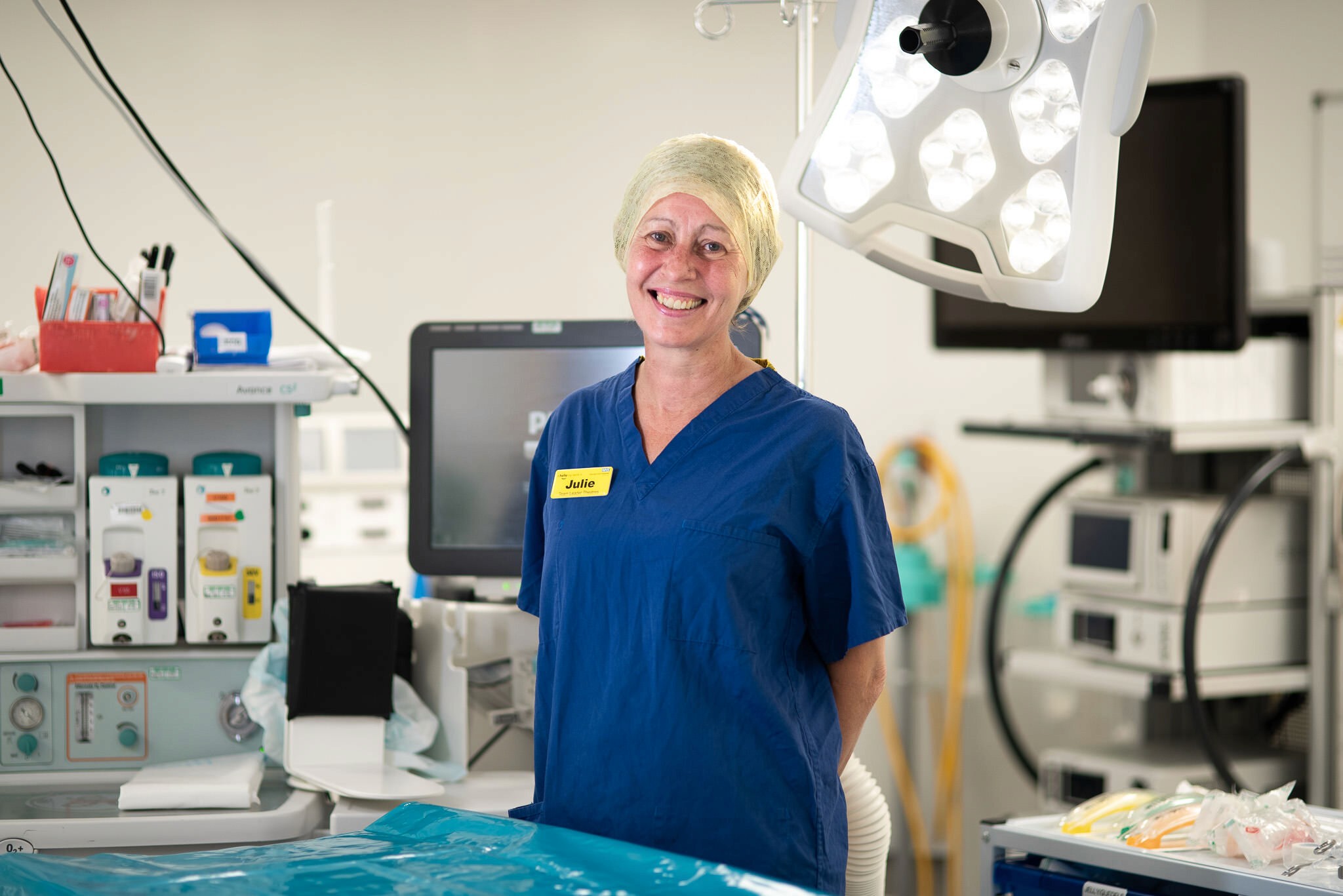
Julie felt anxious and apprehensive about each following day during the pandemic. She updated her skills to enable her to work alongisde ITU nurses as non-emergency surgeries were postponed. She finds it “hard to explain the utter sadness and the feeling of helplessness knowing the patients’ pathways, for both the patients and their loved ones.”
Kimon - A&E Consultant Doctor
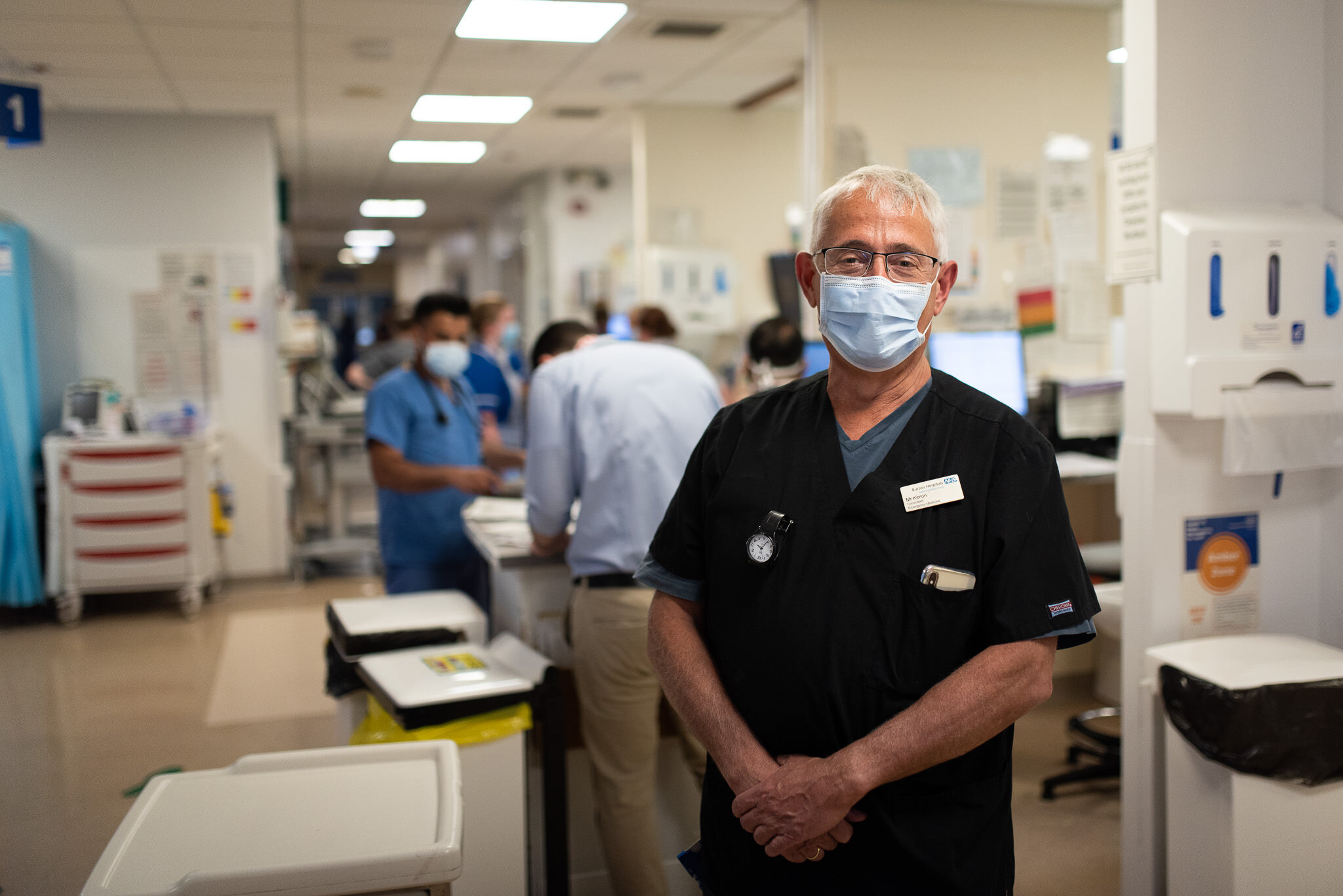
Kimon returned from retirement feeling “a little vulnerable” and “scared of being infected, but glad that I returned to help.” He found “COVID changed all the usual processes and procedures that one usually took for granted” and “witnessing patient not get what they deserved was very stressful at times.” He believes the “NHS was chronically deprived by a decade of austerity” but “a profound sense of duty and camaraderie has saved it.” He hopes for “a vast increase in appropriately directed public funding” for COVID and non-COVID services.

Krishan - FY1 Doctor
First-year doctor Krishan feels “proud to be part of such an amazing team” as he spends more time “working on unfamiliar wards, with new colleagues”. He hopes the “team spirit and togetherness” will continue after this “significant challenge, the likes of which we have not seen in our lifetimes.”
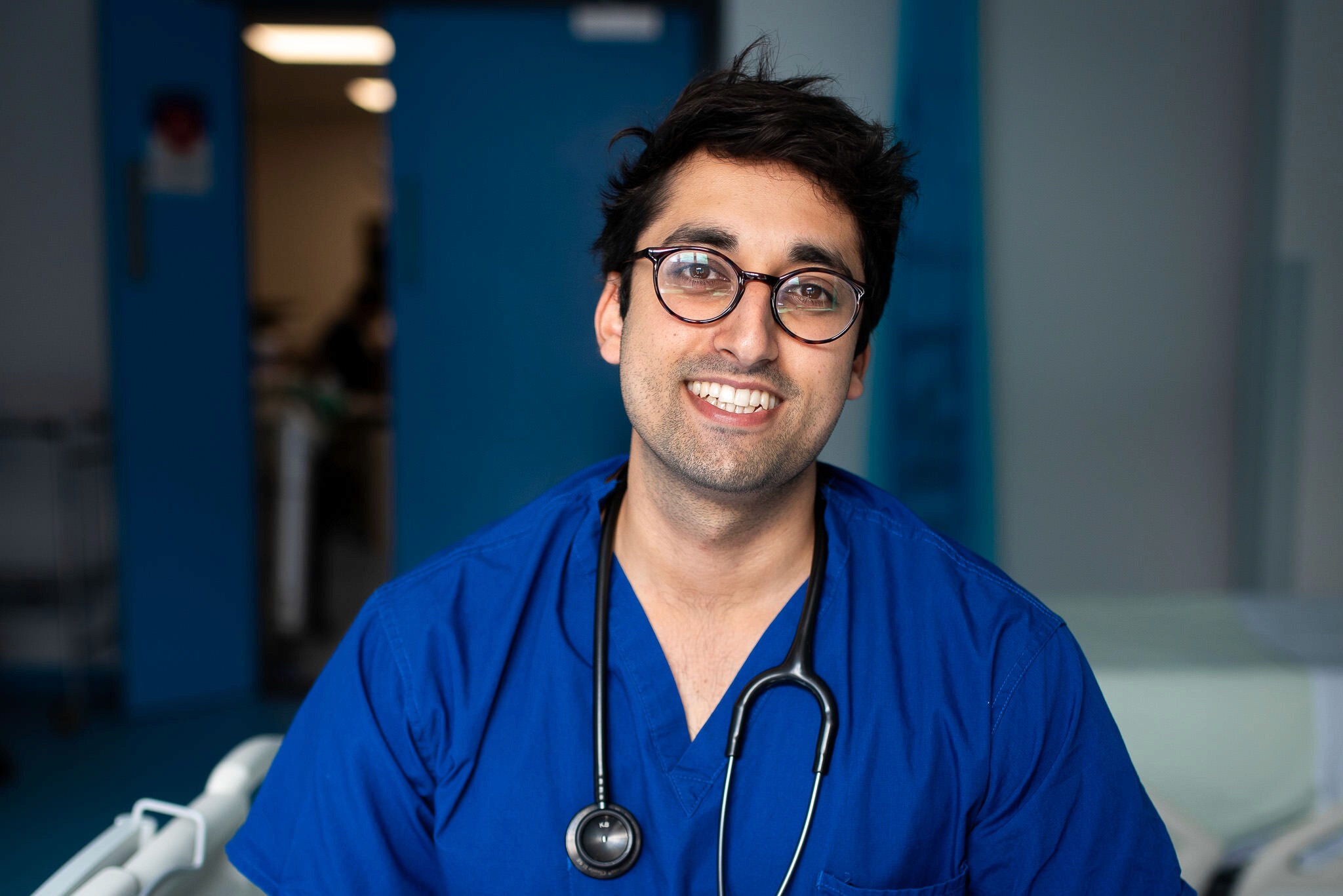
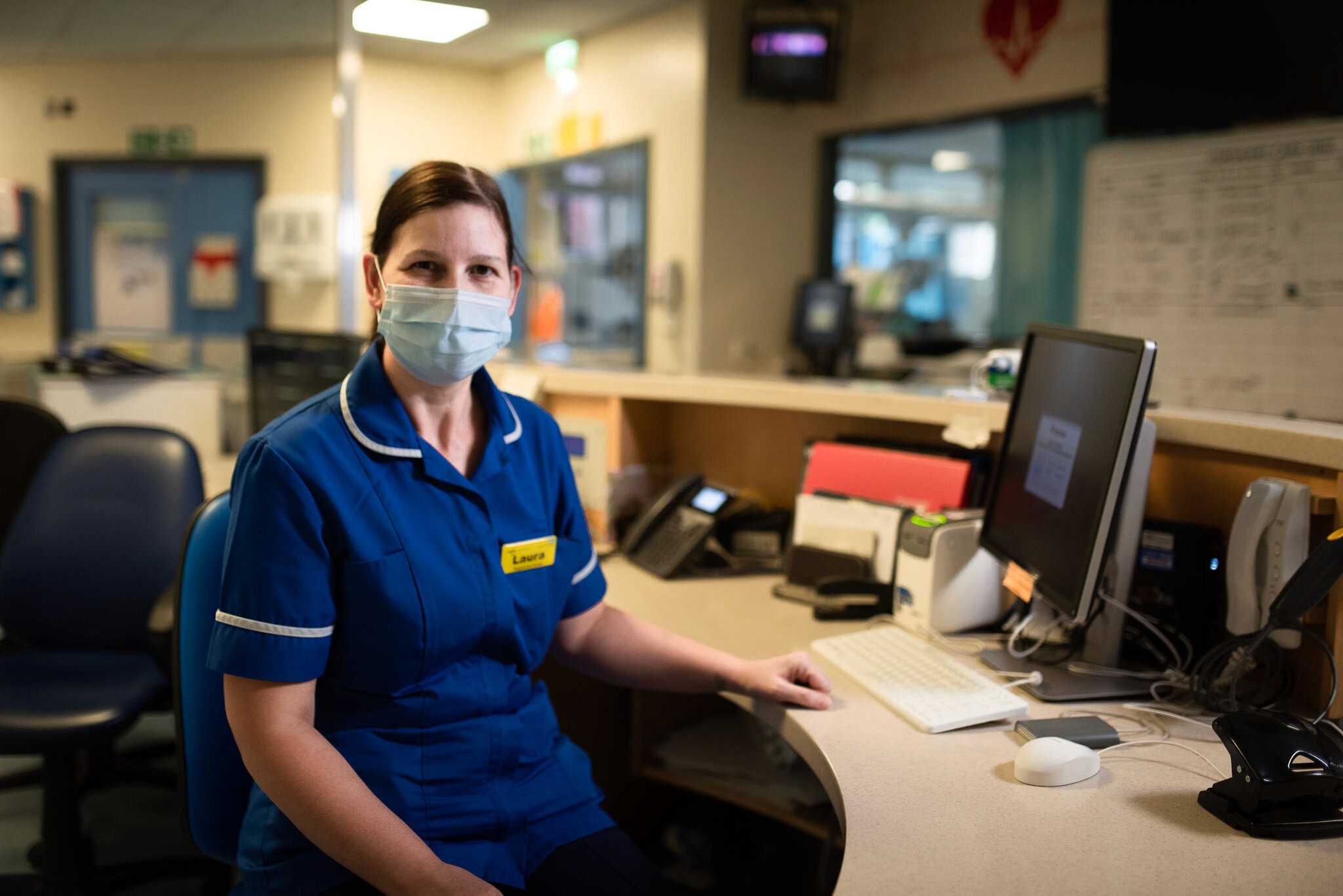
Laura - Cardiology Nurse
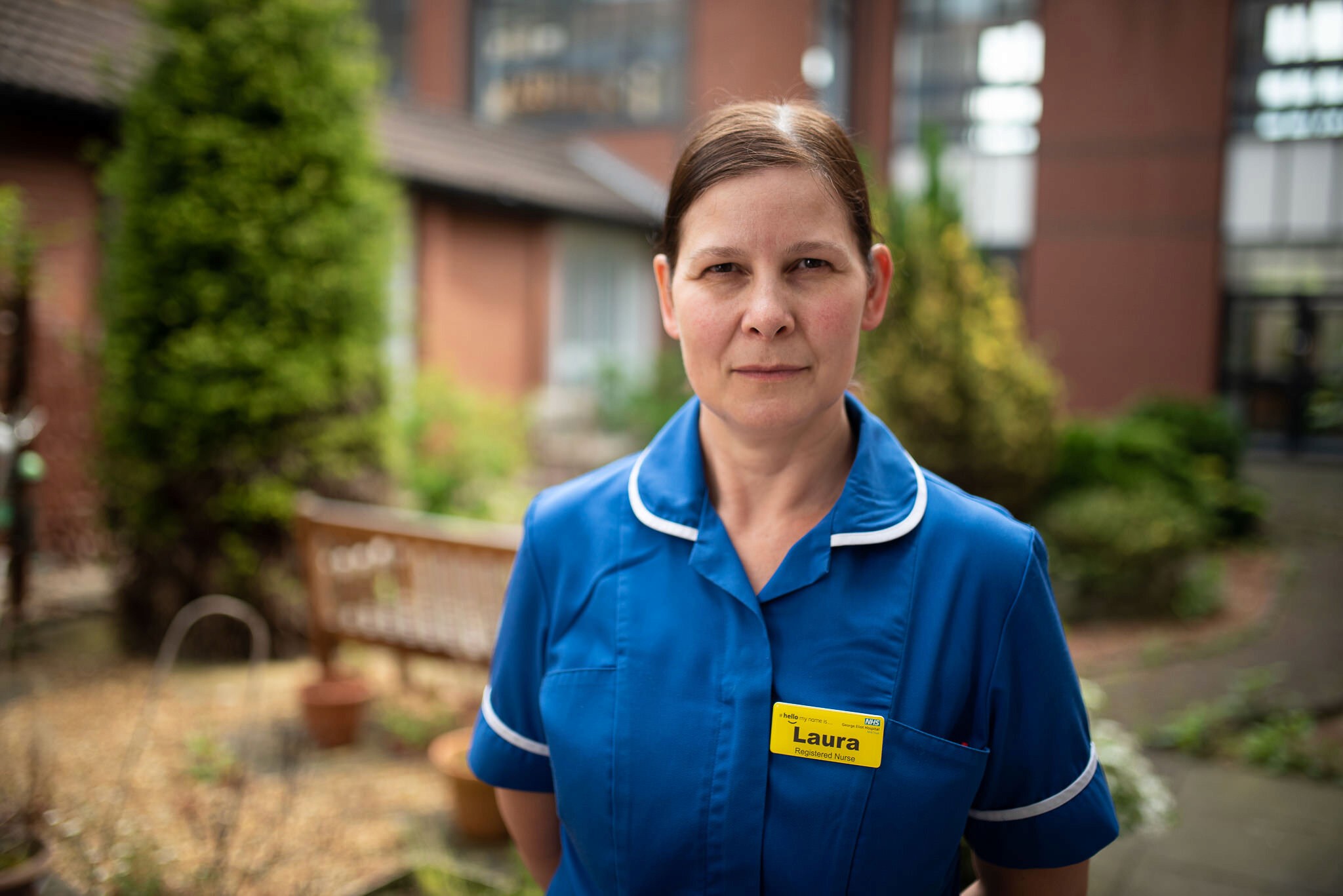
Lawrence - Medical Student - Third Year
Lawrence sums up his feeling as “worried, intrigued, bored and impatient” as he “went from being on a normal medical school placement to working as a paid support worker in less than three weeks.” He found this “enjoyable and a great additional experience to have during my training” and hopes “more medical students get a similar opportunity.” He is concerned about the backlog of cancer care and elective surgery.

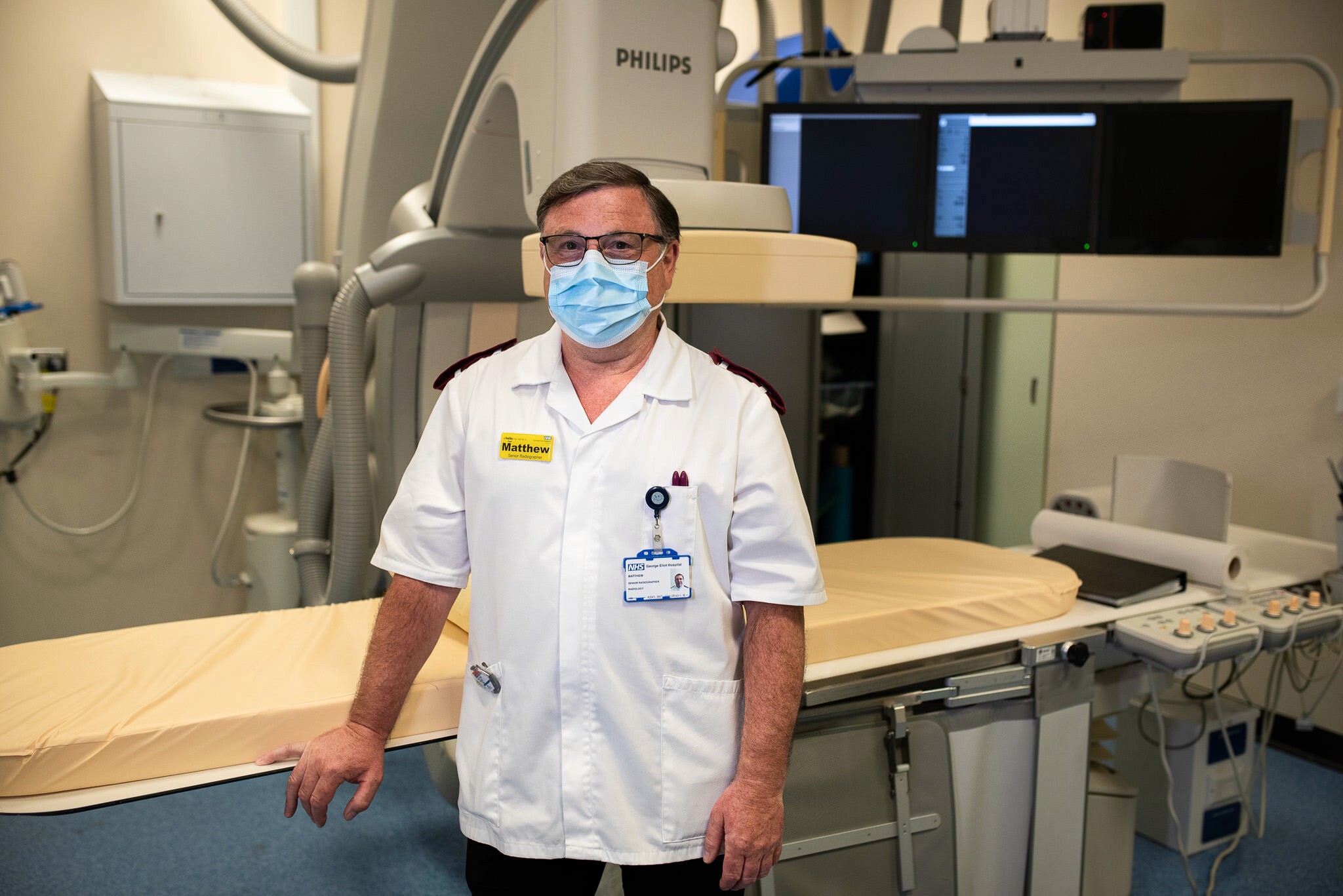
Matthew - Lead Radiographer
Matthew felt initially “scared and very apprehensive about coming to work [as a radiographer, but] soon began to enjoy work [as] just those patients who were very sick were coming through A&E.” He hopes that “people don’t start to abuse A&E again, since it is being used correctly at the moment.” He believes staff deserve greater pay since “we have proved our worth.”
Melissa - Bereavement Administrator
Seconded to the Bereavement team, Melissa felt a “mixture of emotions: frustrated, lucky to still be working and having my health, upset that I can’t see family or friends, angry with the mixed messages about what we can and can’t do.” She hopes “the NHS continues to get the recognition, support and help it needs [and] speaking to each other more.”
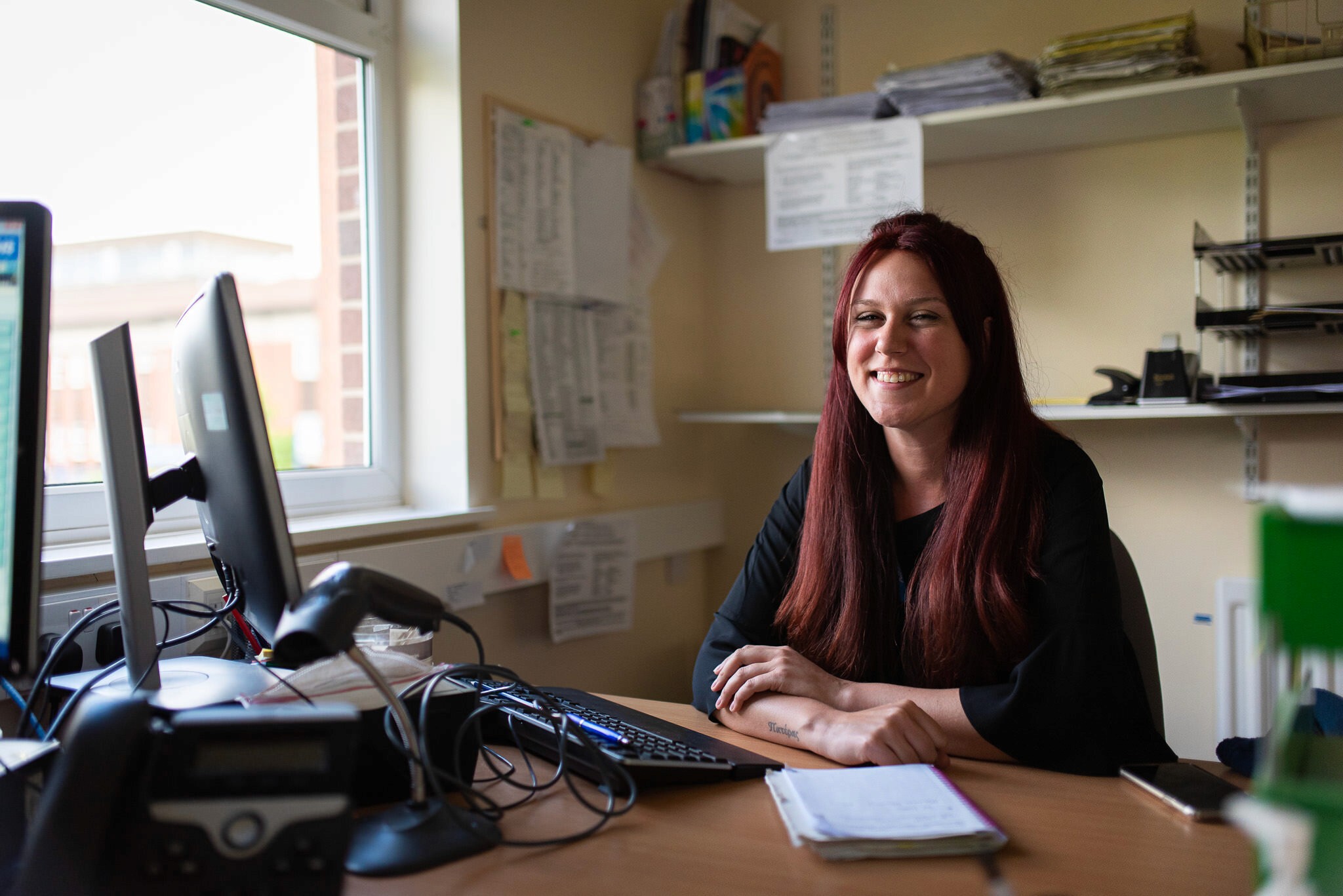
Michelle - Respiratory Ward Healthcare Support Worker
Michelle has “felt a rollercoaster of emotions [such as] scared, overwhemed and sad.” As a healthcare support worker, she has adapted to PPE and using CPAP machines on the COVID positive ward, describing it as “very emotional dealing with poorly patients who can’t have family contact [and] very sad watching some pass without being held by loved ones.”
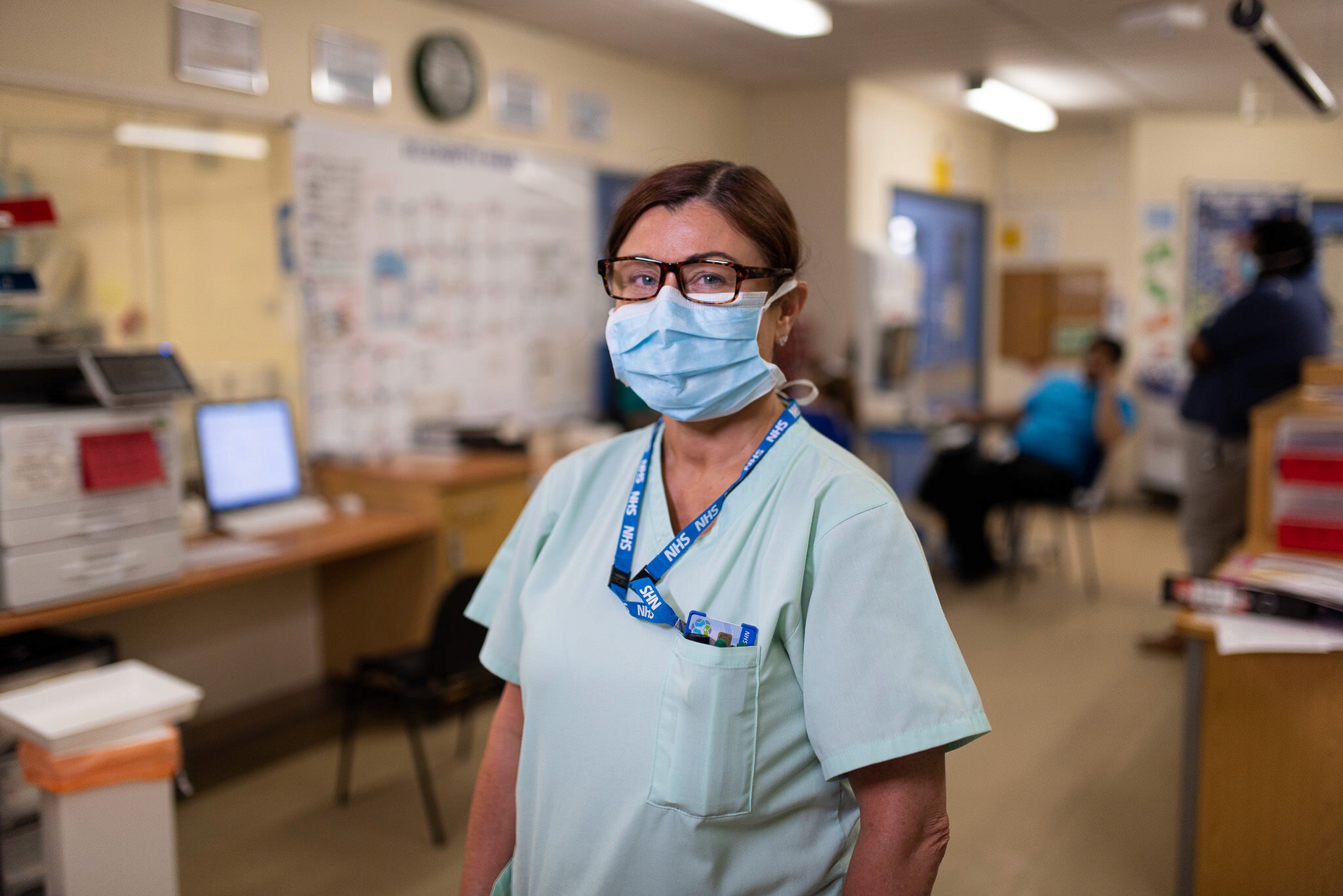
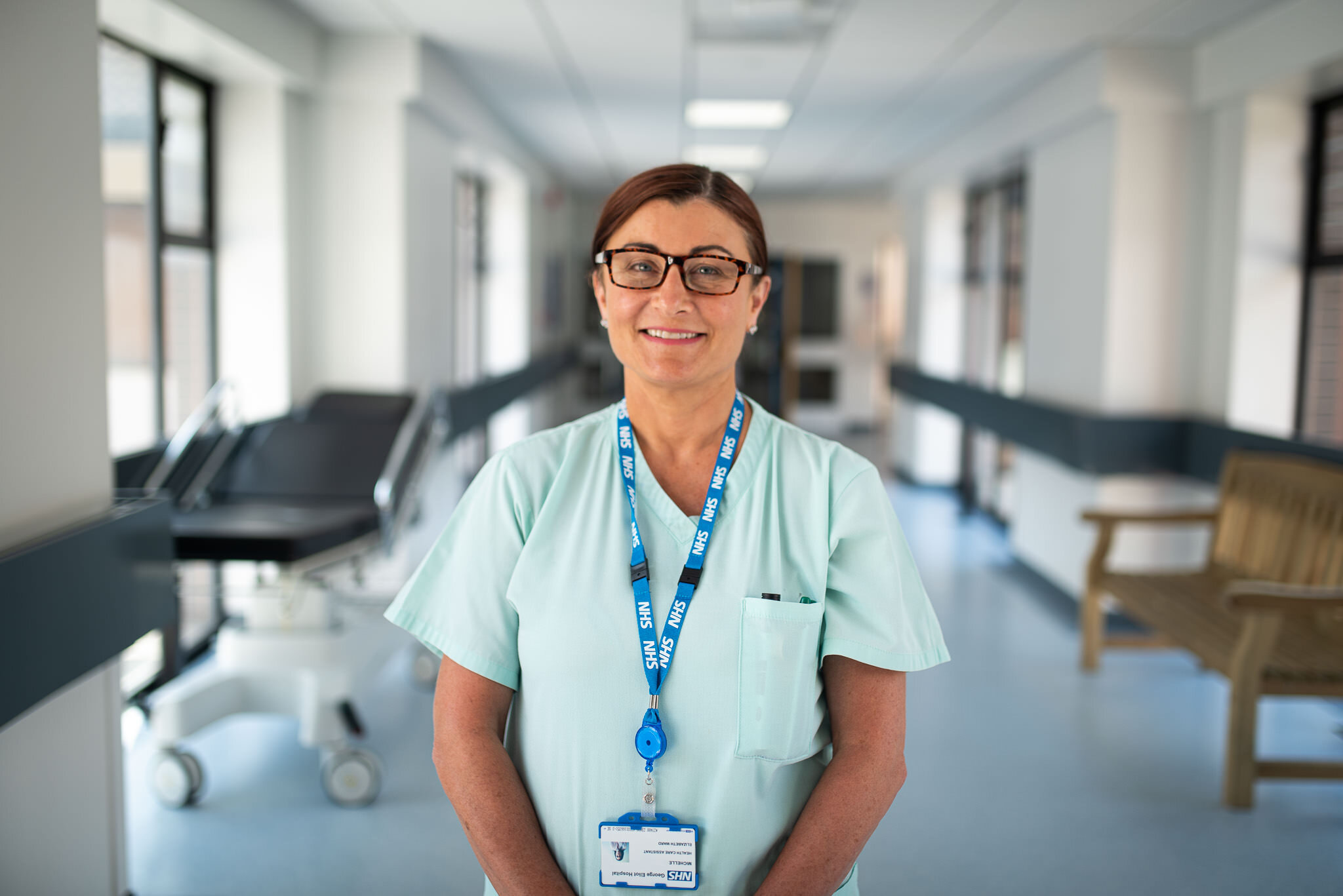
Pippa - Dietician

Pritesh - Pharmacy Technician
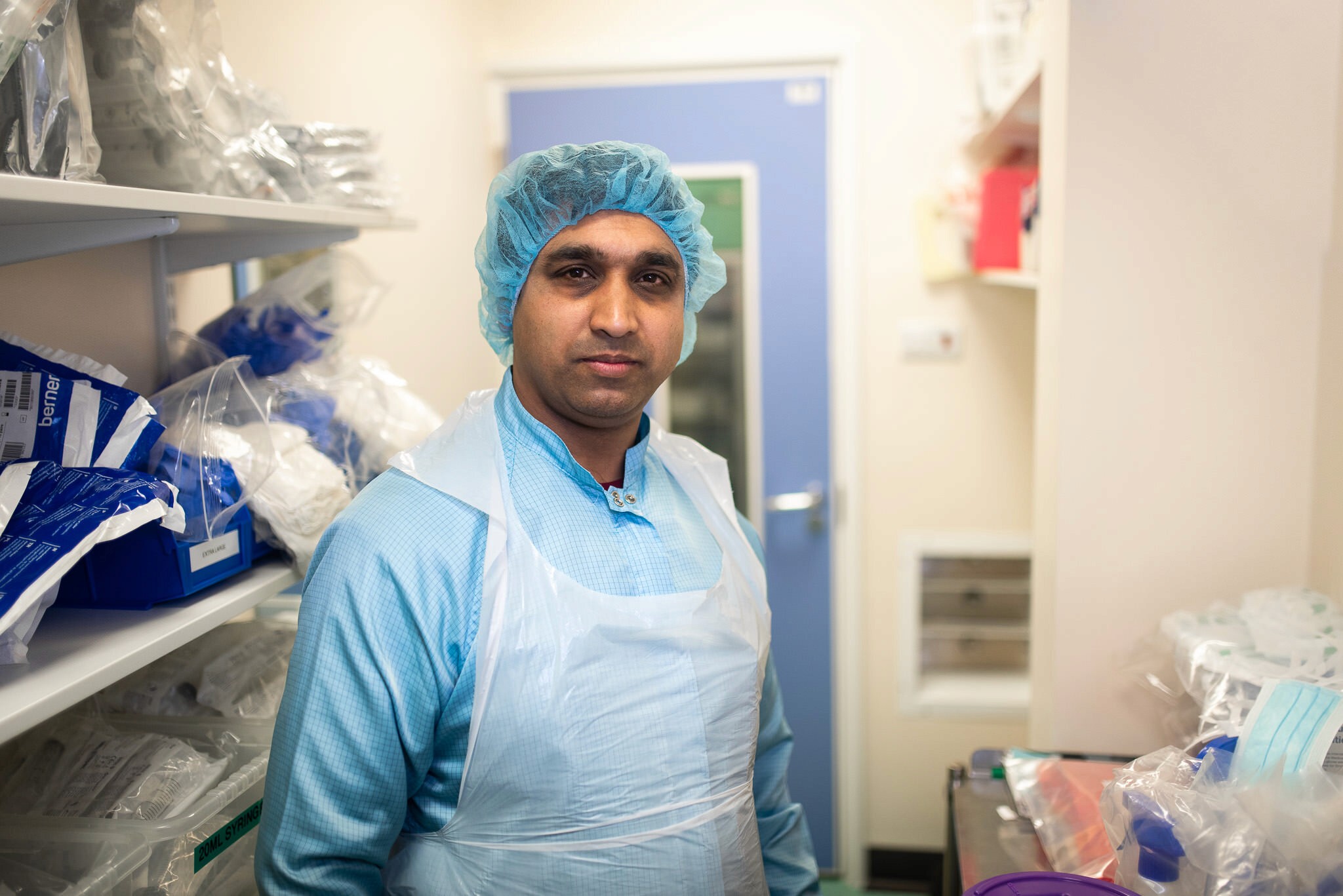
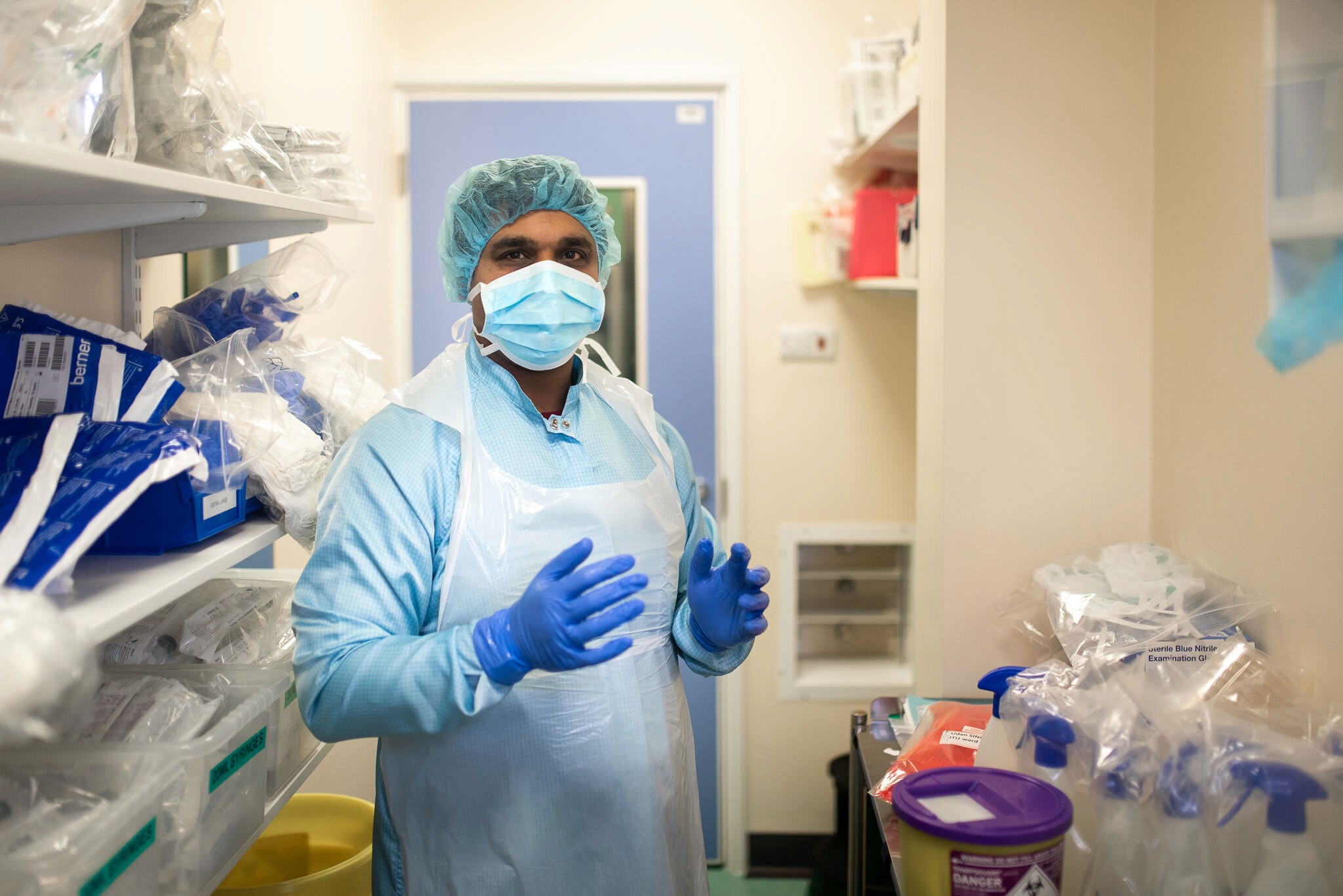
Ravinder - Patient Advice & Liaison (PALS) Officer
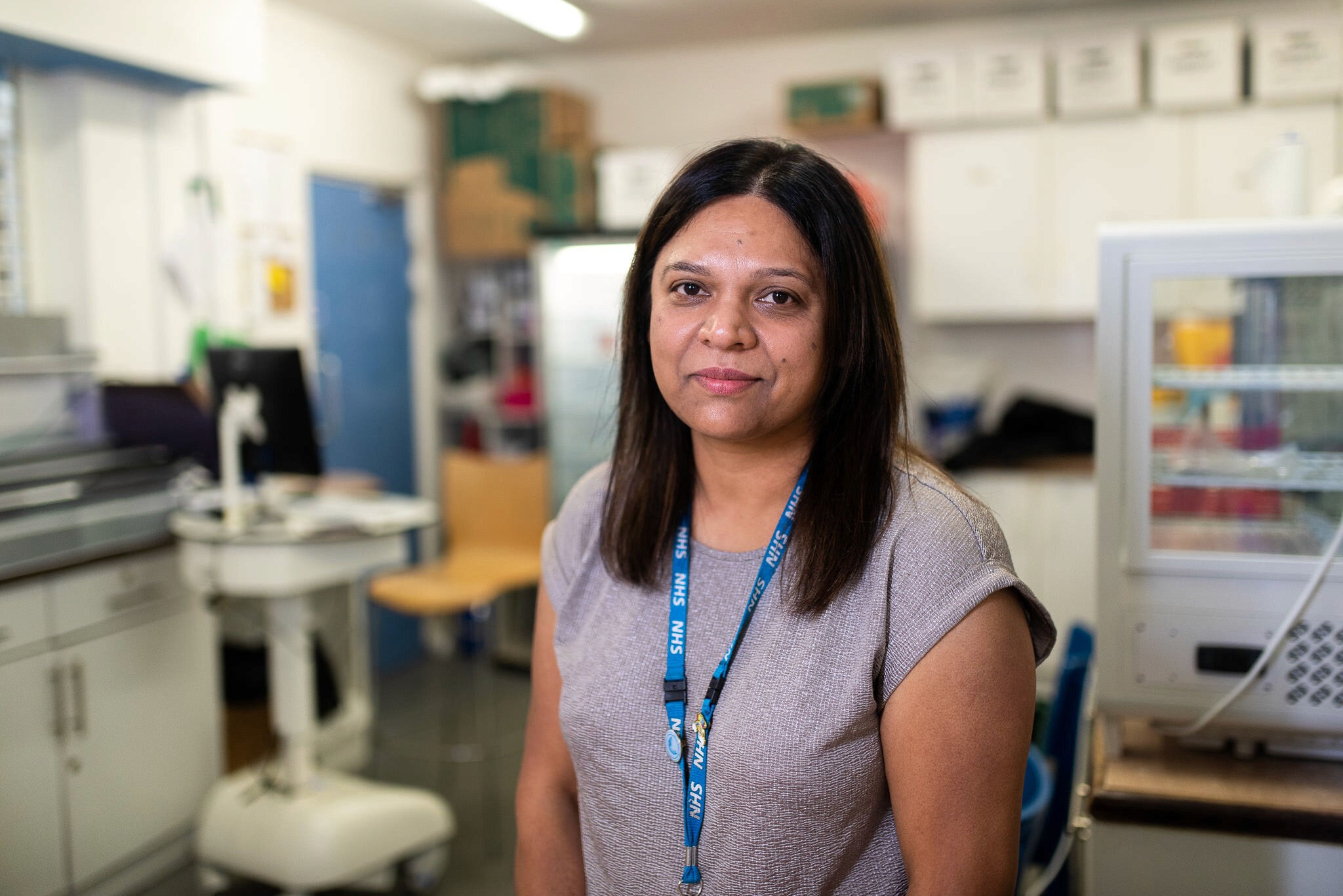
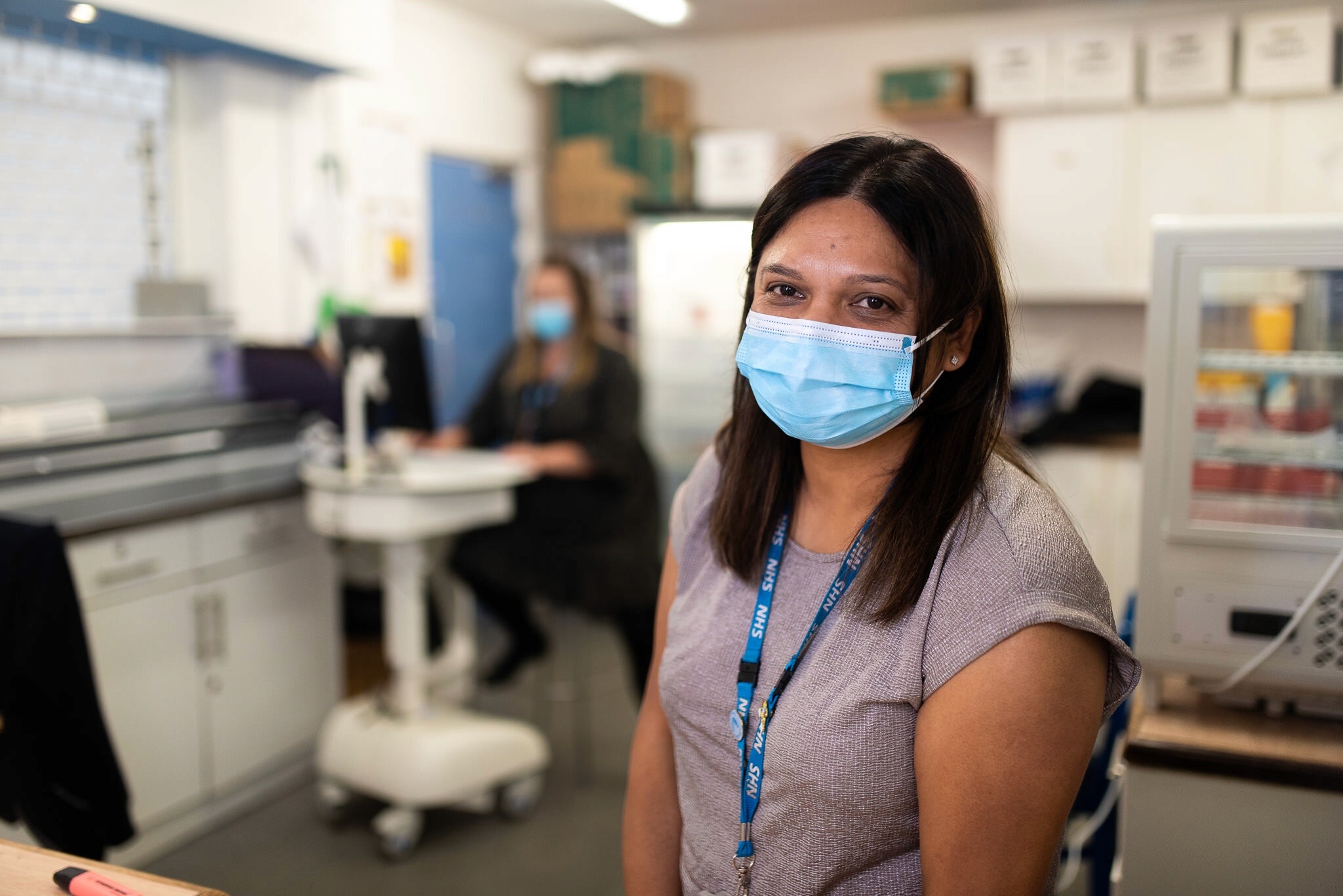
Ron - Senior Mortuary Technician
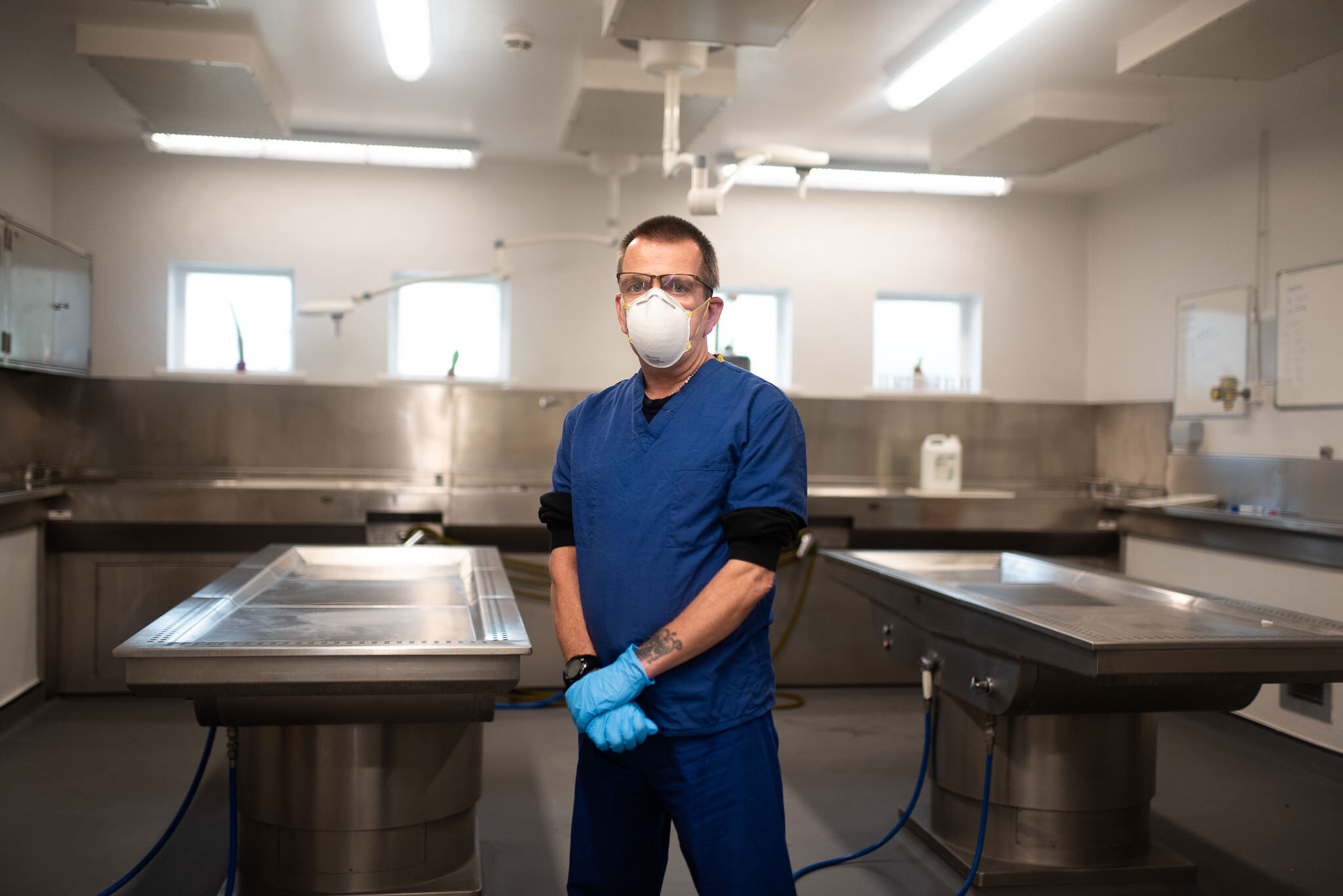
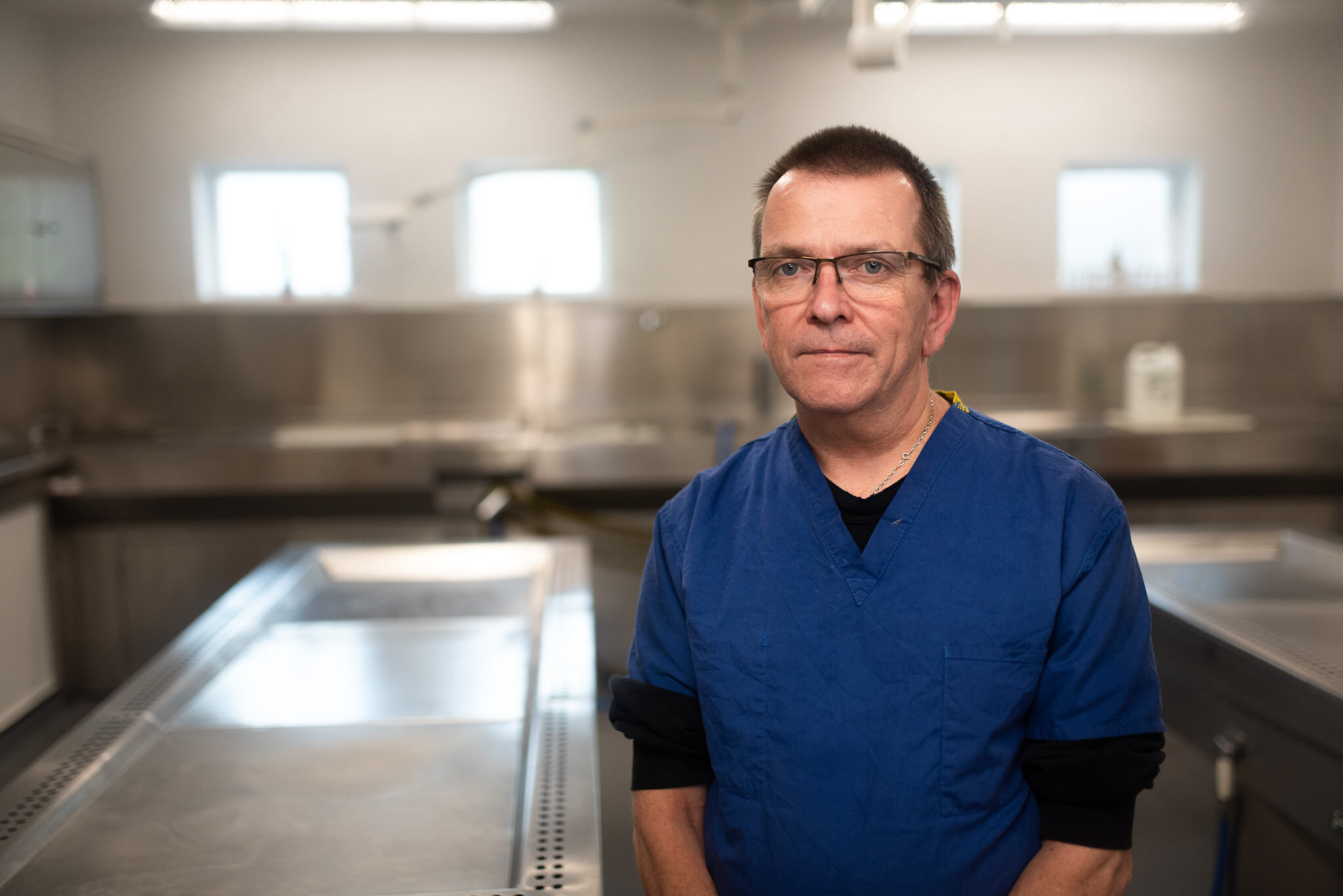
Ron felt “concerned” during the pandemic. As a Senior Mortuary Technician, his role become “a lot more complex” as he worked in a “severely under pressure and massively underfunded” NHS.